
Category: Uncategorized
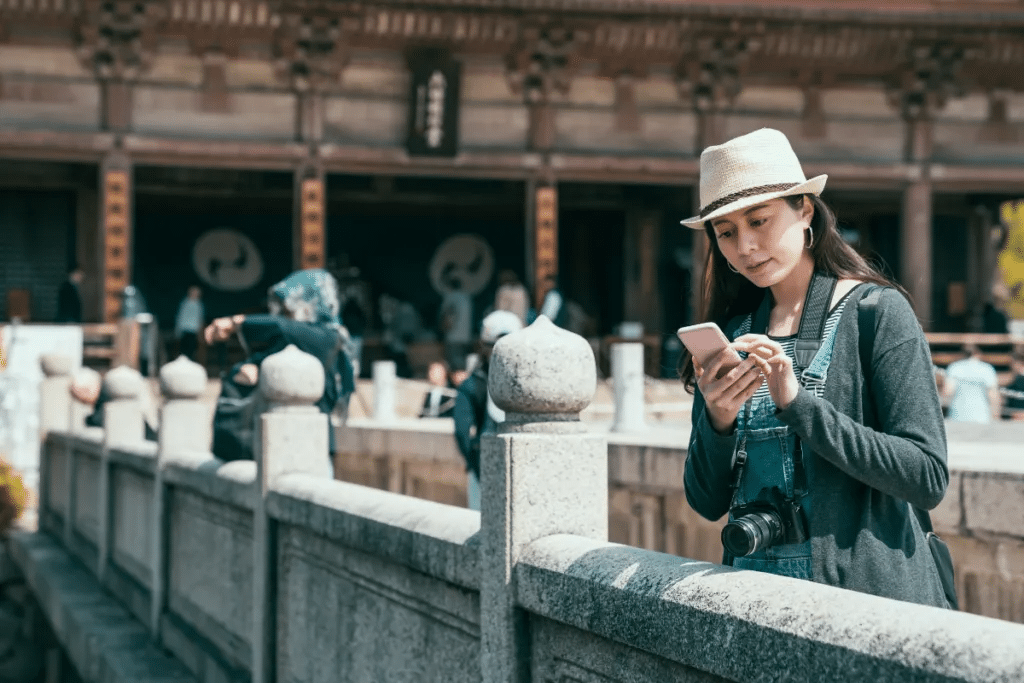
Kansai eSIM: Osaka, Kyoto, Nara, and Kobe Connectivity Guide
Kansai is where most international Japan trips begin in earnest. Tokyo may be the arrival gateway for many visitors, but Kansai — the tightly interconnected region encompassing Osaka, Kyoto, Nara, Kobe, Himeji, and the sacred mountain landscapes of Koyasan and Yoshino — is where Japan’s cultural and sensory depth becomes fully apparent. The region concentrates
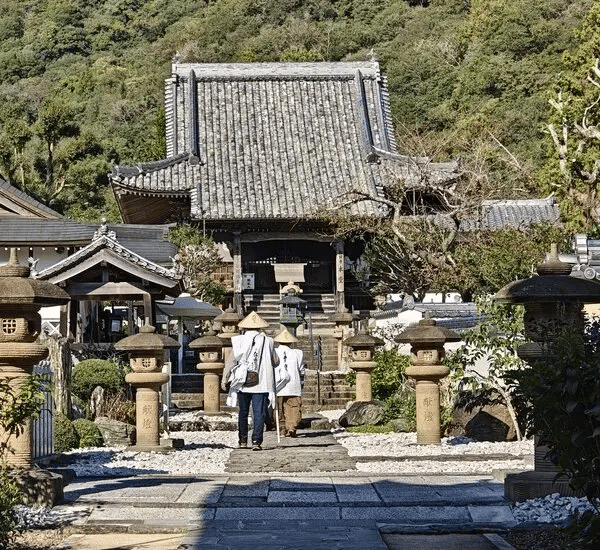
Shikoku eSIM: Best Plans for Pilgrimage Routes and Hidden Coastlines
Shikoku is the Japan that rewards patience. Japan’s smallest main island — connected to Honshu by the Seto Ohashi Bridge and to the wider world by a tourism profile that remains blessedly below the radar of the standard Japan circuit — offers a travel experience defined by slowness, depth, and the kind of authentic encounter

Tohoku eSIM Guide: Connectivity for Sendai, Aomori, and Rural North Japan
Tohoku is Japan’s quiet revelation. Where Kyoto offers cultural density and Hokkaido offers northern wilderness, Tohoku — the six-prefecture region of northern Honshu stretching from Fukushima to Aomori — offers something rarer: a Japan that feels genuinely unhurried, where castle ruins stand above river valleys without the crowd infrastructure of more famous destinations, where festivals

Okinawa eSIM: Best Plans for Naha, Ishigaki, and the Yaeyama Islands
Okinawa is Japan’s tropical anomaly — a subtropical archipelago stretching over a thousand kilometers of Pacific and East China Sea, with a culture, cuisine, and natural environment distinct enough from mainland Japan that many visitors feel they’ve arrived somewhere altogether different. The coral reefs of the Yaeyama Islands are among Asia’s finest dive destinations. The

Kyushu eSIM Guide: Fukuoka, Nagasaki, Kagoshima, and Beyond
Kyushu is the Japan that many first-time visitors discover on a second or third trip — after Tokyo’s sensory overload and Kyoto’s temple saturation have been experienced and absorbed, and the traveler starts asking what else Japan holds. The answer Kyushu provides is consistently surprising: a region with its own distinct cultural identity, a volcanic

Best eSIM for Hokkaido: Coverage, Networks, and Traveler Tips
Hokkaido is Japan at its most expansive. Where the rest of Japan is defined by density — cities compressed onto narrow coastal plains, temples clustered in ancient capitals, bullet train lines threading through populated corridors — Hokkaido opens outward into something altogether different: broad agricultural plains, volcanic mountain ranges, national park wilderness, and ski resorts

Digital Nomads in Japan: Working Remotely With a Japan eSIM
Japan has spent years being a destination that digital nomads admired from a distance — extraordinary infrastructure, exceptional food, world-class cities, and a quality of daily life that consistently ranks among the world’s highest. The barrier was largely visa-related: Japan’s immigration framework historically made medium-term stays for remote workers difficult to structure legally. That barrier

Family Travel in Japan: Keeping Everyone Connected
Japan is one of the world’s great family travel destinations — safe enough for children to move through its cities with confidence, stimulating enough to engage teenagers who’ve been told they’ll enjoy “the cultural experience,” and practical enough that the logistical challenges of traveling with children are manageable in a way that more chaotic destinations

A Solo Traveler’s Connectivity Guide for Japan
Solo travel in Japan is one of the world’s great independent travel experiences — safe, navigable, rich with unexpected encounters, and structured around an infrastructure that rewards the organized, curious traveler who moves through it alone. Japan’s crime rate is among the lowest in the developed world, its transit systems are legible once you understand

Corporate Travel Departments: Sourcing Japan eSIMs for Business Trips
Japan is one of the world’s most significant business travel destinations — a fact that corporate travel managers in manufacturing, technology, automotive, financial services, and professional services know from their booking patterns rather than their tourism reading. Tokyo’s position as a global financial center, Japan’s role as a major trading partner for virtually every developed