

Kyushu eSIM Guide: Fukuoka, Nagasaki, Kagoshima, and Beyond

Kyushu is the Japan that many first-time visitors discover on a second or third trip — after Tokyo’s sensory overload and Kyoto’s temple saturation have been experienced and absorbed, and the traveler starts asking what else Japan holds. The answer Kyushu provides is consistently surprising: a region with its own distinct cultural identity, a volcanic landscape of extraordinary drama, onsen culture at its most authentic, and a food scene that punches at a level few regions of Japan can match. From Fukuoka’s hakata ramen and mentaiko to Nagasaki’s champon and castella cake, from Kagoshima’s shochu and black pork to Beppu’s hell-themed hot springs — Kyushu is a destination that rewards the curious traveler who moves through it slowly.
The kyushu esim question requires a somewhat different analysis than Hokkaido, where rural coverage gaps dominate the discussion. Kyushu’s major cities — Fukuoka, Nagasaki, Kumamoto, Kagoshima, and Beppu — are all well-covered by Japan’s three major carriers. The connectivity complexity in Kyushu lies in the transitions: between urban centers and onsen towns in volcanic valleys, between the main island and the offshore islands that form part of Kyushu’s appeal, and in the rural agricultural and mountain areas that connect Kyushu’s highlights on road trip itineraries.
This guide covers the full Kyushu connectivity picture: network performance across the major cities, rural and onsen town realities, island-hopping connectivity to Yakushima and beyond, and the Japan Sim Data plan configurations best suited to southern Japan travel.
Kyushu’s Growing Tourism Appeal
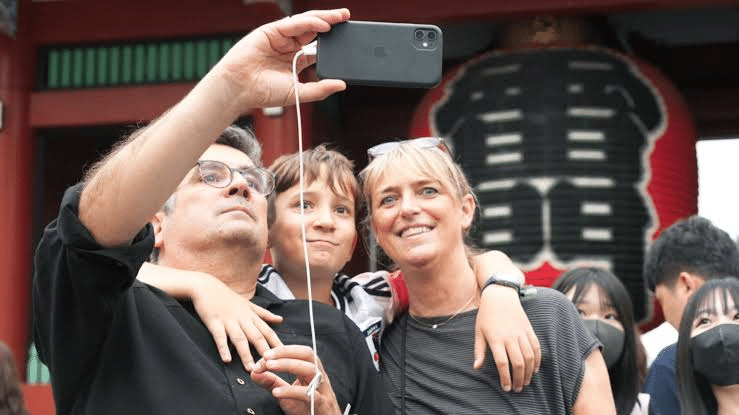
Kyushu has benefited significantly from Japan’s inbound tourism expansion, with Fukuoka in particular establishing itself as a major entry point for international visitors — particularly from South Korea, China, and Southeast Asia, given the city’s geographic proximity and direct flight connections across Asia. The japan esim south market segment represents travelers who often approach Japan differently from the Tokyo-Kyoto-Osaka standard circuit, and whose itineraries take them into the kind of geographic and cultural diversity that Kyushu delivers in abundance.
The mobile network infrastructure that serves Kyushu’s tourism reflects this evolution: Fukuoka has developed excellent urban telecommunications alongside its digital nomad and startup ambitions; the onsen resort towns of central Kyushu have seen connectivity improve alongside tourism development; and the volcanic landscapes of Aso and Kirishima, while genuinely remote in character, have better coverage than their wilderness character might suggest.
Mobile Network Coverage Across Kyushu
NTT Docomo in Kyushu
docomo kyushu coverage is the most comprehensive of the three carriers across the full Kyushu geography. In urban centers, Docomo’s performance is indistinguishable from the other carriers. In the rural transitions between cities, the onsen towns, the mountain roads through Aso’s volcanic landscape, and the ferry approaches to Kyushu’s southern islands, Docomo’s coverage depth is the consistent differentiator.
For Kyushu itineraries that include both urban centers and the kind of rural, volcanic, and island destinations that make Kyushu distinctive, Docomo is the network that provides the most uninterrupted connectivity experience.
SoftBank in Kyushu
softbank kyushu performance is strong in Fukuoka — where SoftBank’s corporate relationship with the city’s tech sector has reinforced network investment — and in the other major urban centers. Along the main transit corridors between Fukuoka, Kumamoto, and Kagoshima (served by the Kyushu Shinkansen), SoftBank coverage is reliable. The differentiation from Docomo appears in rural areas, volcanic mountain environments, and island approaches where Docomo’s infrastructure investment runs deeper.
KDDI/au in Kyushu
kddi kyushu provides solid urban coverage across Kyushu’s major cities and is a functional choice for city-concentrated itineraries. KDDI’s Kyushu rural performance is broadly comparable to SoftBank’s, with Docomo maintaining the coverage breadth advantage in Kyushu’s more remote areas.
Network Recommendation for Kyushu
For city-circuit Kyushu itineraries — Fukuoka, Nagasaki, Kumamoto, Kagoshima — any of the three carriers performs adequately. For itineraries that include Aso’s volcanic interior, the onsen valleys of Kurokawa and Yufuin, the rural road through the Kirishima mountains, or island destinations off Kyushu’s southern coast, Docomo’s coverage advantage is operationally significant and the recommended choice.
City-by-City eSIM Tips
Fukuoka eSIM
esim for fukuoka is one of the more straightforward connectivity decisions in this guide — Fukuoka’s telecommunications infrastructure reflects its status as Japan’s most connectivity-forward city, with the highest density of co-working spaces per capita, an active digital nomad community, and network investment that matches its ambition as a global startup hub.
All three carriers provide excellent coverage throughout Fukuoka’s central wards — Hakata, Tenjin, Daimyo, and the canal city area. The fukuoka esim need extends beyond the city center to the Fukuoka Airport environs (one of Japan’s most conveniently located airports, sitting two subway stops from Hakata Station), the Marinoa City area on the bay, and the Dazaifu cultural site to the southeast — all well within Fukuoka’s strong coverage zone.
For the japan fukuoka nomad segment using Fukuoka as a remote work base, SoftBank’s strong urban performance makes it a competitive choice alongside Docomo for a primarily urban connectivity requirement.
Nagasaki Mobile Data
nagasaki mobile data requirements cover a city with a distinctive geography — built across steep hills on a harbor inlet that creates the kind of terrain that can occasionally challenge signal propagation in specific valley locations. The main tourist areas — the Peace Park and Atomic Bomb Museum, Glover Garden, Dejima, and the Nagasaki Chinatown — are all within adequate coverage zones across all three carriers.
Nagasaki’s hilly topography means that some residential areas on steep slopes above the tourist circuit can experience signal variability, but these are not areas that most visitors spend significant time in. The Nagasaki Electric Tramway route — which serves most major tourist sites — is within consistent coverage throughout its length.
The approach to Nagasaki from Fukuoka by Shinkansen and limited express — through the hills of Saga Prefecture and the valleys approaching the coast — passes through variable coverage terrain, with Docomo providing the most consistent connectivity during transit.
Kumamoto Internet

kumamoto internet requirements center on a city rebuilding its tourism confidence after the 2016 Kumamoto Earthquakes significantly damaged the city’s most iconic landmark, Kumamoto Castle. The castle’s ongoing restoration has become a tourism story in itself, and connectivity for visiting the castle grounds, the Suizenji Garden, and Kumamoto’s downtown is well-supported by all three carriers.
Kumamoto’s position as the gateway to Mount Aso — one of the world’s largest calderas and active volcanic systems — makes the transition from urban connectivity to volcanic mountain connectivity the primary concern for visitors whose itinerary extends into Aso. The road into Aso’s caldera passes through increasingly rural terrain where Docomo’s coverage advantage becomes relevant.
Kagoshima eSIM
kagoshima esim planning covers a city defined by its extraordinary backdrop — Sakurajima, one of Japan’s most active volcanoes, sits across the bay and occasionally dusts the city with volcanic ash. This volcanic omnipresence makes Kagoshima one of Japan’s most visually dramatic city settings, and the ferry crossing to Sakurajima is one of southern Japan’s most distinctive short journeys.
All three carriers provide strong coverage throughout Kagoshima’s urban core. The Sakurajima ferry crossing maintains coverage on Docomo and adequately on other carriers for the fifteen-minute crossing. Coverage on Sakurajima itself — particularly on the approaches to the main visitor viewpoints and the volcanic observatory areas — is most reliably served by Docomo.
Kagoshima is also the departure point for ferries to the Amami Islands, Okinawa, and for those driving the route south toward Cape Sata (Japan’s southernmost point of the main island). Both directions move into progressively rural coverage territory where Docomo provides the most consistent service.
Beppu eSIM
beppu esim requirements center on Japan’s most famous onsen town — a city built around its thermal infrastructure, where steam rises from the street and the famous Jigoku (Hell) hot springs have been attracting visitors for centuries. Beppu’s coverage is adequate across all carriers in the main tourist and city center areas.
The Beppu visitor experience extends to Yufuin — the more aesthetically refined onsen resort town inland from Beppu, accessible by road or the scenic Yufu Express train through the mountains. Yufuin’s valley setting and the mountain road connecting it to Beppu introduce coverage variability that Docomo navigates more reliably than the other carriers.
Onsen Towns and Rural Connectivity
The esim onsen town connectivity reality across Kyushu is an important planning consideration, because some of Kyushu’s most celebrated destinations are small towns in mountain valleys or volcanic areas where network infrastructure reflects the population density.
Kurokawa Onsen
Kurokawa is Kyushu’s most atmospheric onsen village — a compact collection of ryokan and outdoor baths in a river valley in the mountains of northern Kumamoto. Its remoteness and scale mean that coverage here is primarily Docomo, with other carriers providing less reliable service. The approach roads through the volcanic landscape around the Aso region reinforce the Docomo recommendation for itineraries including Kurokawa.
Kirishima Onsen Area
The Kirishima range in Kagoshima and Miyazaki prefectures — a volcanic highland with shrines, hiking trails, and onsen facilities — has patchy coverage outside the main town areas. Docomo provides the most consistent coverage on the mountain roads and hiking approach trails, though remote hiking routes in Kirishima should be treated as potentially coverage-free and prepared for with offline mapping.
Unzen and the Shimabara Peninsula
Unzen Onsen on the Shimabara Peninsula — with its steaming fumaroles, historical Christian martyrdom sites, and dramatic volcanic scenery — sits in a mountainous peninsula setting where Docomo coverage is the most reliable. The ferry crossing from Misumi or Kumamoto across the Ariake Sea to Shimabara adds a transit segment where Docomo maintains the strongest connectivity.
Island-Hopping: Yakushima and Amami
The japan esim island considerations for Kyushu’s offshore destinations are distinct from mainland Kyushu connectivity.
Yakushima Connectivity
yakushima connectivity is the most frequently asked about island destination off Kyushu’s coast — the UNESCO World Heritage island of ancient cedar forests, dramatic waterfalls, and the hiking culture surrounding the Jomon Sugi cedar has made it one of southern Japan’s most compelling natural destinations.
Yakushima’s coverage is more limited than mainland Kyushu, reflecting its island status and the priority given to ecotourism over telecommunications development. The main port town of Miyanoura and the island’s road circuit have Docomo coverage that supports navigation and messaging. The hiking trails into the island’s interior — including the popular Jomon Sugi trail — move beyond reliable mobile coverage. Hikers approaching Jomon Sugi should download offline maps for the full trail before departing the port town, and should not plan on connectivity during the hiking day.
Ferry crossings from Kagoshima to Yakushima (approximately two hours by hydrofoil, four hours by ferry) maintain coverage with Docomo for most of the crossing before entering Yakushima’s more limited coverage zone.
Amami Oshima
Amami Oshima — a subtropical island between Kyushu and Okinawa, known for its mangrove forests, sea kayaking, and distinctive Amami culture — has adequate coverage in Amami City and along the main coastal road. The island’s more remote coastal and forested areas have variable coverage. Docomo again provides the most comprehensive Amami island coverage.
Recommended Japan Sim Data Plans for Kyushu Itineraries
For the City Circuit Traveler
A Kyushu visitor concentrating on Fukuoka, Nagasaki, Kumamoto, Kagoshima, and Beppu — moving primarily between urban centers by Shinkansen or express train — is well-served by any Japan Sim Data network on a standard fixed-data plan. The kyushu data plan for this itinerary type (10–15GB for a seven-to-ten day trip) covers urban navigation, restaurant discovery, social sharing, and communication without requiring unlimited data.
SoftBank’s strong urban performance makes it a competitive choice for this city-circuit profile, though Docomo is equally appropriate.
For the Onsen and Rural Explorer
The Kyushu traveler building an itinerary around Kurokawa, Yufuin, Aso, and the volcanic interior should specify Docomo-network plans without hesitation. The rural coverage advantage is operationally important in these environments, and the peace of mind of consistent connectivity across Kyushu’s less-populated highlands is worth the plan specification decision made before departure.
For Island-Hopping Itineraries
Kyushu itineraries including Yakushima, Amami, or other island destinations should specify Docomo for the broadest coverage across both mainland Kyushu and the island destinations. Download offline maps for each island before departure from the mainland — this is the most important connectivity preparation for kyushu travel esim island-hopping itineraries.
For Road Trip Itineraries
The mobile data kyushu japan road trip covering the full island — from Fukuoka south through Kumamoto, Aso, Kagoshima, and the Kirishima range — benefits from Docomo unlimited for the combination of continuous navigation, variable coverage terrain, and photography-driven social sharing that characterizes a comprehensive Kyushu road trip.
According to the Japan National Tourism Organization (JNTO), Kyushu’s inbound tourism numbers have grown consistently, with Fukuoka establishing itself as one of Japan’s primary entry points for Asian markets. The GSMA notes that Japan’s southern eSIM market has expanded alongside Kyushu’s tourism development, with coverage reliability in volcanic and rural destinations identified as a primary traveler concern.
Conclusion: Southern Japan’s Connectivity Deserves Southern Expertise

Kyushu rewards the traveler who approaches it with curiosity rather than a standard Japan checklist — and the connectivity that enables that curious exploration needs to work across the full geographic range of what Kyushu offers. From Fukuoka’s hyperconnected startup ecosystem to the steam-wreathed onsen valleys of the volcanic interior, from Nagasaki’s harbor hills to the ancient cedar forests of Yakushima, the esim hokkaido japan visitor’s network selection question has a clear Kyushu equivalent: Docomo for itineraries that venture beyond the cities, any carrier for city-circuit programs.
Japan Sim Data’s plans on Docomo, SoftBank, and KDDI networks cover every Kyushu itinerary profile — available at wordpress-1493298-6069223.cloudwaysapps.com with installation before departure and activation on landing at Fukuoka, Nagasaki, or wherever southern Japan begins for you.
Frequently Asked Questions
Q1: Which carrier has the best coverage for rural Kyushu and volcanic mountain areas?
A: Docomo provides the most comprehensive coverage across Kyushu’s rural areas, volcanic mountain environments (Mount Aso, Kirishima, Sakurajima), and onsen valley towns. SoftBank and KDDI perform well in urban centers but have less coverage depth in Kyushu’s less-populated areas.
Q2: Is there mobile coverage on Yakushima?
A: Yakushima has Docomo coverage in the main port town of Miyanoura and along the island’s road circuit. The hiking trails into the interior — including the Jomon Sugi cedar trail — move beyond reliable coverage. Download offline maps for the full hiking route before departing the port, and plan for the hiking day to be offline.
Q3: What eSIM plan is best for a Kyushu road trip covering multiple prefectures?
A: Docomo unlimited is the recommended plan for a comprehensive Kyushu road trip. The combination of continuous navigation, variable rural coverage terrain, and the photography-driven social sharing that Kyushu’s extraordinary scenery inspires makes unlimited data on Japan’s most extensive network the right configuration for road trip connectivity confidence.
Q4: Is Fukuoka’s connectivity good enough for remote work?
A: Yes. Fukuoka is Japan’s leading digital nomad city with excellent telecommunications infrastructure. All three carriers provide strong urban coverage; co-working spaces throughout the city provide fiber WiFi for bandwidth-intensive tasks. Any Japan Sim Data plan works well for Fukuoka-based remote work, with SoftBank and Docomo particularly strong for urban performance.
Q5: Do Japan eSIM plans work on the ferry crossings to Yakushima and Amami?
A: Yes, with varying reliability. Docomo maintains the strongest coverage during ferry crossings to both islands, particularly in the first and last portions of the crossing when the boat is closer to coastal infrastructure. Mid-crossing coverage is more variable on all carriers. Download offline entertainment and maps before boarding for longer crossings.