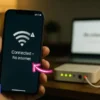



Tour Leader Training: Helping Clients Activate Their Japan eSIM on Arrival

The tour leader’s job begins before the first temple visit, before the first Shinkansen, before the first ryokan check-in. For many Japan tour groups, it begins in the arrivals hall of Narita or Kansai International, where twenty-something travelers fresh off a long-haul flight are trying to get their phones online while the tour leader simultaneously manages luggage, headcount, transport coordination, and the questions that inevitably pile up when a group first assembles in a foreign country.
Japan eSIM activation sits squarely in the middle of this arrival day complexity. When it goes well — when the pre-departure distribution was thorough, travelers installed their eSIMs at home, and activation is a thirty-second automatic process — the tour leader barely notices it. When it doesn’t go well — when travelers didn’t install before departure, when devices show unexpected errors, when the group stands at the arrivals exit with half its members still offline — the tour leader’s ability to diagnose quickly, communicate calmly, and resolve efficiently defines the arrival day experience for the entire group.
This guide is tour leader training material — practical, specific, and field-oriented. It covers what you need to know before arrival day, exactly what to say and do during airport activation, how to troubleshoot iPhone and Android issues without requiring specialist technical knowledge, how to manage group dynamics when connectivity isn’t cooperating, and how to support travelers throughout the tour once the arrival day chaos has settled.
Pre-Trip: What Tour Leaders Should Know

The japan tour leader prep process for connectivity should begin well before departure day — not when the group is assembling at the airport.
Know the Product
Before leading a tour with Japan Sim Data eSIM connectivity, understand these specifics:
- Which network is your group on? Docomo, SoftBank, or KDDI. This affects coverage in rural areas and helps when communicating with Japan Sim Data support.
- What plan type? Day Pass, fixed data (and how many GB), or unlimited. Knowing this means you can answer client questions about data limits accurately.
- What is the validity period? When does the plan start, and when does it expire? This is particularly relevant if travelers arrive late in a plan’s validity window.
- What is the support escalation contact? Japan Sim Data’s agency partner support number or email should be in your phone before you board your outbound flight.
Review Your QR Reference Sheet
Your QR code reference sheet — provided by Japan Sim Data with each traveler’s individual code — should be accessible in two formats before you travel: printed (in your tour leader document pack) and digital (saved as an offline PDF on your phone, accessible without data). Do not rely on a cloud-linked document that requires internet access to open.
Know Your Travelers
Review the traveler manifest with device types in mind if that information is available. Agencies using pre-departure compatibility screening can flag travelers with older or potentially incompatible devices, allowing you to anticipate who will need additional support and prepare accordingly.
Test Your Own eSIM First
Your personal Japan eSIM should be installed and confirmed active before you board the tour group’s flight. You need to know how activation feels on your own device so you can describe the process accurately to clients — and you need your own connectivity active from the moment you land for logistical coordination that precedes client support.
Day 1 Airport Activation Script
A clear, consistent script for the arrival day eSIM activation moment prevents improvised communication that can confuse travelers and extend the process unnecessarily.
On the Aircraft (Pre-Landing Announcement)
If your tour arrangement includes a group briefing on the flight, add this during your arrival preparation remarks:
“Before we land, a quick note about your Japan internet connection. If you’ve already installed your Japan eSIM before the trip — great. As soon as you switch off flight mode after we land, your phone will connect automatically. You don’t need to do anything else. If you haven’t installed yet, don’t worry — we have a few minutes in the arrivals hall to sort that out together. I’ll tell you exactly what to do.”
This brief announcement sets expectations, reassures travelers who have installed, and identifies (by the questions it generates) which travelers haven’t.
At the Arrival Gate (Flight Mode Off)
As the group exits the aircraft and moves through the terminal:
“Okay, everyone switch off flight mode now. If you’ve already got your Japan eSIM installed, your phone should start connecting within the next minute or two. You’ll see the signal bars appear and the network name in your status bar.”
In the Arrivals Hall (Group Connectivity Check)
Once the group is assembled in a fixed location in the arrivals hall — typically after passport control, near the baggage claim or meeting point:
“Can everyone quickly check their phones and tell me if you can see a Japanese network name in the top left or top right of your screen? Great — if you can see that, you’re connected. If your screen says ‘No Service’ or is still showing your home carrier, come and see me and we’ll sort it now.”
This phrasing does the diagnostic work without singling anyone out and without requiring every traveler to report individually. Connected travelers confirm silently. Unconnected travelers self-identify by approaching you.
For Travelers Needing On-Arrival Installation
For travelers who did not install before departure:
“No problem — this takes about five minutes. Connect to the airport’s free WiFi first — look for [airport WiFi name]. Once you’re on that, go to your phone settings and I’ll walk you through scanning your QR code.”
Have their QR code ready from your reference sheet. Walk through the installation steps one at a time rather than telling them the whole sequence upfront.
Common Client Device Issues
The majority of connectivity issues a japan tour leader encounters fall into a small number of categories. Knowing these categories allows fast diagnosis without extended troubleshooting.
“I Have the QR Code But Nothing Is Happening When I Scan It”
Most likely cause: the device is not connected to WiFi. eSIM profile download requires a WiFi or data connection. Confirm airport WiFi is connected before attempting the QR scan.
Second possibility: the camera is not focused correctly on the printed QR code. Ensure the print is well-lit and the camera has a moment to auto-focus before the scan is attempted.
“It Says eSIM Installed But I Have No Signal”
Most likely cause: the Japan eSIM is installed but not set as the active data SIM. On dual-SIM devices, the home carrier is often the default data line. Guide the traveler to: Settings → Mobile/Cellular Data → select the Japan eSIM as the data line.
Second possibility: flight mode is still enabled. Check and disable if so.
“My Phone Says eSIM Is Not Supported”
The device may be carrier-locked or genuinely eSIM-incompatible. Activate the physical SIM fallback protocol. Note the traveler’s name and device type for reporting to your agency operations team.
“I Had Signal Yesterday, Not Today”
Most likely cause: fixed data plan has reached its allowance limit. Check plan status in the device settings or Japan Sim Data account. If the plan is exhausted, advise the traveler to contact Japan Sim Data support for top-up or plan extension options.
Second possibility: the plan’s validity period has ended. Confirm the plan end date against the current date.
iPhone vs Android Troubleshooting
The eSIM installation and activation process differs between operating systems, and the japan tour leader troubleshooting approach needs to address each.
iPhone Troubleshooting Guide
Where to find eSIM settings: Settings → Cellular (or Mobile Service in some regions) → eSIM section at the top of the screen.
How to set Japan eSIM as data line: Settings → Cellular → Cellular Data → select Japan eSIM line.
How to confirm activation: The carrier name for the Japan eSIM should appear in the Cellular section when active. Signal bars in the top right of the screen should show.
Common iPhone-specific issue: Dual-SIM iPhones may show the home carrier’s name in the status bar even when the Japan eSIM is providing data — because voice calls route through the home SIM. Confirm data connectivity by opening a browser or maps rather than relying solely on the carrier name display.
iOS version reminder: Ensure the traveler’s iOS is up to date. Older iOS versions occasionally have eSIM management bugs resolved in later updates. If installation fails and the device is running an older iOS, a software update (over airport WiFi) may resolve the issue.
Android Troubleshooting Guide
Where to find eSIM settings: Settings → Network & Internet (or Connections on Samsung) → SIM Manager (or SIM Card Manager) → Add eSIM / Download SIM.
Variation by manufacturer: Samsung, Google Pixel, OnePlus, Motorola, and Xiaomi devices all place eSIM settings in slightly different locations within their settings architecture. The general path is Settings → Connections/Network → SIM. If the standard path doesn’t work, search “eSIM” in the device settings search function.
How to set Japan eSIM as data line: In SIM Manager, select the Japan eSIM profile → Set as preferred SIM for data → confirm.
Common Android-specific issue: Some Android devices require a restart after eSIM installation for the profile to become active. If installation appears complete but no connectivity appears, a device restart is the first troubleshooting step.
Google Pixel note: Pixel devices are typically among the most straightforward for eSIM installation, with a clear “Download SIM” flow in settings. Tour leaders supporting Pixel users can generally follow the on-screen instructions without additional guidance.
When to Call Your Supplier

Japan Sim Data’s Japan tour leader airport and field support is available during JST business hours and should be used when first-line troubleshooting doesn’t resolve the issue within a reasonable time.
Call Japan Sim Data When:
- A traveler’s device shows a technical error during installation that the standard troubleshooting steps don’t resolve
- Multiple travelers on the same group are experiencing identical issues — this may indicate a batch-level or network-level problem requiring investigation
- A traveler’s plan shows as active but data connectivity is not functioning — this may require carrier-level investigation
- You need to arrange a replacement eSIM for a confirmed technical failure
What to Have Ready When You Call:
- The traveler’s name and the specific eSIM code or QR reference
- The device model and operating system version
- The exact error message or symptom observed
- The troubleshooting steps already attempted
- Your location in Japan (airport, city, specific venue if relevant)
Having this information ready before calling significantly reduces the time to resolution. Support teams can begin investigating the specific code and device combination immediately rather than spending the first minutes of the call gathering basic information.
Group Dynamics: Handling Impatient Travelers
The japan tour group dynamics reality of arrival day eSIM activation is that some travelers will be patient and some will not — and managing both groups simultaneously while troubleshooting technical issues requires specific interpersonal skills alongside technical knowledge.
The Impatient Majority
Most of the group will be connected and ready to move within minutes of landing. They are tired, they want to get to the hotel, and they are watching the one or two travelers whose connectivity isn’t working with increasing impatience.
Manage this by giving the connected majority something productive to do: “While I help a couple of people sort their phones, can everyone check the group chat is working and send a thumbs up so I know you’re all connected?” This keeps the majority engaged and gives you a group connectivity confirmation simultaneously.
The Anxious Traveler
The traveler experiencing the connectivity problem is often anxious as well as frustrated — they feel singled out and responsible for holding the group up. A calm, confident, and matter-of-fact tone from the tour leader is the most important element of the resolution experience.
“This is totally normal — takes a minute to sort out” is more effective than a technically detailed explanation of why the issue is occurring. Resolve first, explain later if the traveler is interested.
The Know-It-All Helper
In most groups, at least one traveler with technical confidence will attempt to help troubleshoot their neighbor’s phone. This can be genuinely useful or can introduce additional complexity if their suggestions conflict with the correct resolution steps.
Acknowledge the helper’s contribution while maintaining control: “Thanks — I think the issue might be [specific thing]. Let me try [specific step] first.” This redirects rather than dismisses and keeps the troubleshooting process focused.
Continuous Client Support During the Tour
The japan tour leader field connectivity role continues throughout the tour, not just on arrival day.
Daily Connectivity Health Check
A brief daily check at the group’s first gathering — a simple “everyone’s phones working fine?” as the day begins — catches emerging issues before they become operational problems. Most connectivity issues that develop mid-tour (approaching data limits, plan approaching expiry) surface as warnings in the device settings before they cause a connectivity failure. A proactive daily check creates the opportunity for travelers to raise these warnings before they become problems.
Mid-Tour Data Limit Issues
For groups on fixed data plans, data consumption monitoring is a gentle ongoing responsibility. Travelers who are heavy data users — streaming video, making extended video calls home — may approach their plan limit before the tour ends. A mid-tour reminder about data-efficient behaviors (downloading offline maps, using WiFi at hotels for data-intensive tasks) can extend plan longevity.
Support Contact Availability
Ensure every traveler has Japan Sim Data’s support contact information accessible — either through the pre-departure documentation or via a pinned message in the group chat. Travelers experiencing connectivity issues independently (outside group hours) need a support path that doesn’t require waiting for the next group gathering.
According to the Japan National Tourism Organization (JNTO), Japan’s inbound group tour sector continues to expand, with tour leader quality increasingly recognized as a primary driver of overall tour experience ratings. The GSMA identifies connectivity management as an emerging tour leader competency in major inbound tourism markets globally.
Conclusion: Confidence Comes From Preparation

The japan inbound tour leader who handles eSIM activation and troubleshooting with confident calm on arrival day does so because they have prepared specifically for the scenarios they will encounter — not because they are improvising under pressure. The scripts, troubleshooting sequences, and group management approaches in this guide are the preparation that makes confident execution possible.
Japan Sim Data’s agency partner infrastructure supports your preparation at every stage: tour leader reference materials, multilingual installation guides, and JST business hours support for the issues that field troubleshooting doesn’t resolve. The japan tour leader 2026 who brings this preparation to every Japan departure creates the smooth arrival experience that sets the tone for the entire tour.
For agencies building or refining tour leader training programs around Japan eSIM activation and support, Japan Sim Data provides partner materials and training support through wordpress-1493298-6069223.cloudwaysapps.com.
Frequently Asked Questions
Q1: How long should a tour leader expect arrival day eSIM activation to take for a group of twenty travelers?
A: For groups where pre-departure installation was completed by all travelers, arrival day activation is essentially instantaneous — flight mode off, eSIM connects automatically, group chat confirmation takes two to three minutes. For groups with five to ten percent of travelers needing on-arrival installation, budget fifteen to twenty minutes total for installation support in the arrivals hall, staggered so that one or two installations are handled while the connected majority are briefed on the day’s logistics.
Q2: What should tour leaders do if a traveler’s eSIM worked yesterday but stopped working today?
A: Check the plan status first — a fixed data plan reaching its allowance limit is the most common cause of mid-tour connectivity loss. Guide the traveler to their device’s data usage settings to check remaining allowance. If the plan appears active but connectivity has stopped, toggle the Japan eSIM off and on in settings to force a network re-registration. If neither resolves the issue, escalate to Japan Sim Data support with the traveler’s eSIM code and device details.
Q3: Can tour leaders manage eSIM activation for elderly travelers who aren’t comfortable with smartphone settings?
A: Yes, with the traveler’s permission to handle their device. Walk through the settings together rather than taking the device independently — this ensures the traveler understands what is being done and leaves them more capable of managing minor issues independently later in the tour. For travelers with significant technical anxiety, the pre-departure briefing is the ideal moment to complete installation under guided support before arrival day time pressure applies.
Q4: What is the most important single thing a tour leader can do to prevent arrival day connectivity problems?
A: Confirm pre-departure installation. A follow-up message in the group chat two to three days before departure — “Has everyone had a chance to install their Japan eSIM? Drop a thumbs up if you’re set!” — identifies the travelers who haven’t installed yet while there is still time to support them through remote installation assistance, rather than discovering the gap in the arrivals hall.
Q5: Should tour leaders be able to install an eSIM on a client’s phone themselves?
A: Tour leaders should be capable of guiding installation on both iPhone and Android, and should be comfortable following installation steps on a client’s device with the client’s permission. Practicing the installation process on their own device — including a deliberate eSIM deletion and reinstall — before the tour begins is the best preparation for this field support role.