
Category: Uncategorized
Best Japan eSIM for Solo Travelers: Safety, Navigation, and Data
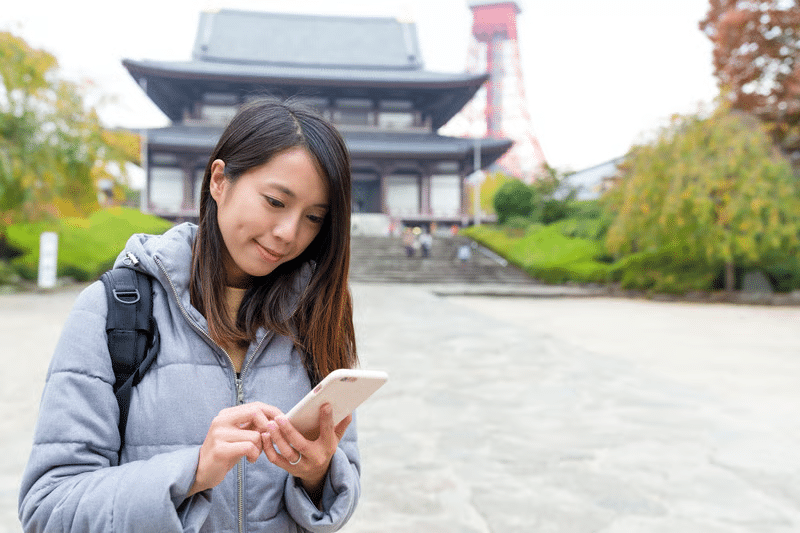
Solo travel in Japan is one of the world’s great independent travel experiences. The country’s extraordinary safety record, its legible transit infrastructure, its culture of genuine helpfulness toward lost or confused visitors, and the depth of cultural and natural experience available to the patient independent traveler make Japan uniquely suited to solo exploration. The solo

Best Japan Family eSIM: Kids, Screens, and Shared Data Guide
Traveling to Japan as a family means juggling train schedules, tired kids, and a lot more devices than a solo trip ever requires. A well-planned Japan family eSIM setup is what keeps everyone connected without turning every train transfer into a group scramble for Wi-Fi. Between navigation for parents, entertainment for kids, and the occasional
Free Airport WiFi vs Japan eSIM: What Travelers Actually Need
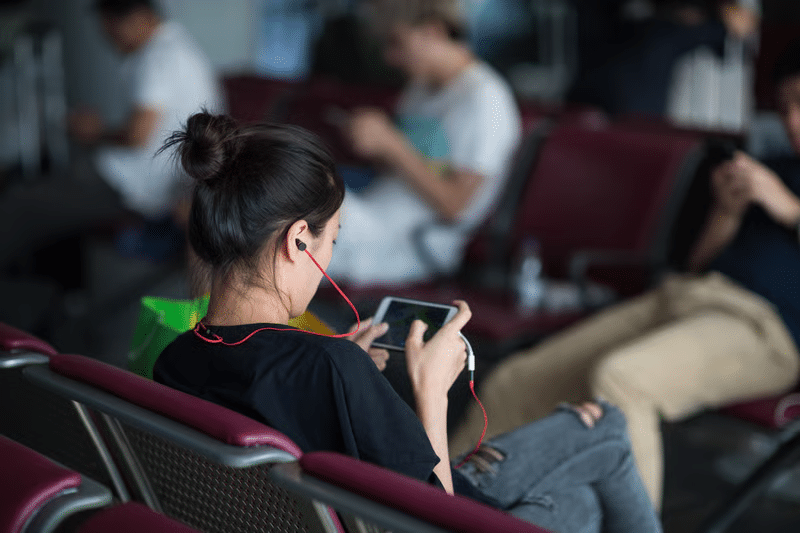
Every year, a meaningful number of Japan-bound travelers make the same calculation: Japan has free WiFi at airports, train stations, temples, and convenience stores, so maybe a dedicated data plan isn’t necessary. They arrive at Narita or Haneda, connect to the airport WiFi, and feel justified in their decision. Then they board the Narita Express,

eSIM vs SIM Swap in Japan: Cost, Convenience, and Risk Guide
Every traveler arriving in Japan without a local phone plan faces the same fork in the road: swap your physical SIM card for a Japanese one, or install an eSIM before you even land. Both get you online, but they behave very differently once you’re standing at Narita or Haneda with a jet-lagged brain and

Long Stay Japan eSIM: The Complete Buyer’s Guide (2-4 Weeks)
If you’re spending two, three, or four weeks exploring Japan, your connectivity needs look very different from a quick weekend visitor’s. A long stay Japan eSIM has to survive daily navigation in Tokyo, video calls back home, translation apps in rural Hokkaido, restaurant bookings in Osaka, and maybe a few days of pure binge-streaming on
Best eSIM for Short Japan Trips (3–7 Days): A Buyer’s Guide
If you’re squeezing a Tokyo layover, a long weekend in Osaka, or a full week across Kyoto and Hiroshima into a tight calendar, a short trip Japan eSIM is one of the easiest ways to stay connected without overpaying. Short stays create a specific problem: you need enough data to navigate, translate, and share photos,

5G vs 4G eSIM in Japan: Do You Actually Need 5G as a Tourist?
Japan’s 5G rollout has proceeded rapidly since commercial launch in 2020, and by 2026 the question of whether to prioritize 5G coverage in a Japan eSIM has become one that more travelers are asking. The marketing around 5G — faster speeds, lower latency, next-generation connectivity — creates an impression that 5G is categorically better and
Japan eSIM vs Local Prepaid SIM: Which Is Better for Tourists?
Japan has two well-developed options for tourists who want local mobile data without paying international roaming prices: the eSIM and the physical prepaid SIM card. Both options access Japan’s excellent carrier networks. Both provide meaningfully better value than carrier roaming. And both are legitimate connectivity solutions that serve specific traveler profiles well. The japan esim

Day Pass vs Data Plan vs Unlimited: Which Japan eSIM Product Fits You?
Japan Sim Data offers one product category — Japan eSIM — but within that category, three structurally different product types serve meaningfully different traveler profiles. Choosing between a Day Pass, a fixed data plan, and an unlimited plan is not a trivial decision: the wrong product type for a specific trip creates either unnecessary cost
Docomo vs SoftBank vs KDDI: Which Japanese Network Should You Choose?
Japan has three major mobile networks — NTT Docomo, SoftBank, and KDDI/au — and choosing between them is one of the more consequential decisions a Japan traveler can make before departure. It is also one of the most underexplored, because most eSIM providers present their products as interchangeable and most travelers assume Japan’s coverage is