

Japan Cultural Tour Operators: Connectivity Across Kyoto, Nara, and Tokyo

The cultural tour operator’s relationship with connectivity is more nuanced than the ski operator’s or the beach resort operator’s. When a traveler is standing in front of Kinkaku-ji watching morning mist rise over the golden pavilion, or walking the stone path to Nara’s Kasuga Taisha at dusk with deer moving silently through the cedar trees, or navigating Tokyo’s Yanaka district past centuries-old temples and craftsmen’s workshops — the connectivity need is not primarily about sharing photos or messaging family. It is about depth of engagement: understanding what they’re looking at, reading the history of the structure, translating the calligraphy on a stone lantern, accessing the audio guide, looking up the significance of a ceremony happening nearby.
Japan cultural tour connectivity is an enrichment tool, not just a communication channel. This functional distinction shapes everything about how operators should think about it — from the data volumes needed (translation is surprisingly data-light; high-quality video downloading is not) to the network priorities (consistent indoor coverage at enclosed temple structures matters; peak upload speed matters less than for ski or sakura clients) to the marketing language (“deepen your understanding of Japan’s cultural heritage with real-time translation and research” lands differently than “stay connected with family”).
This guide covers the specific connectivity profile of Japan’s major cultural tourism destinations, the particular data demands of cultural tour travel behavior, how group size interacts with connectivity management at heritage sites, and the tour leader playbook for cultural itineraries where connectivity enriches rather than distracts from the experience.
The Cultural Tour Connectivity Expectation
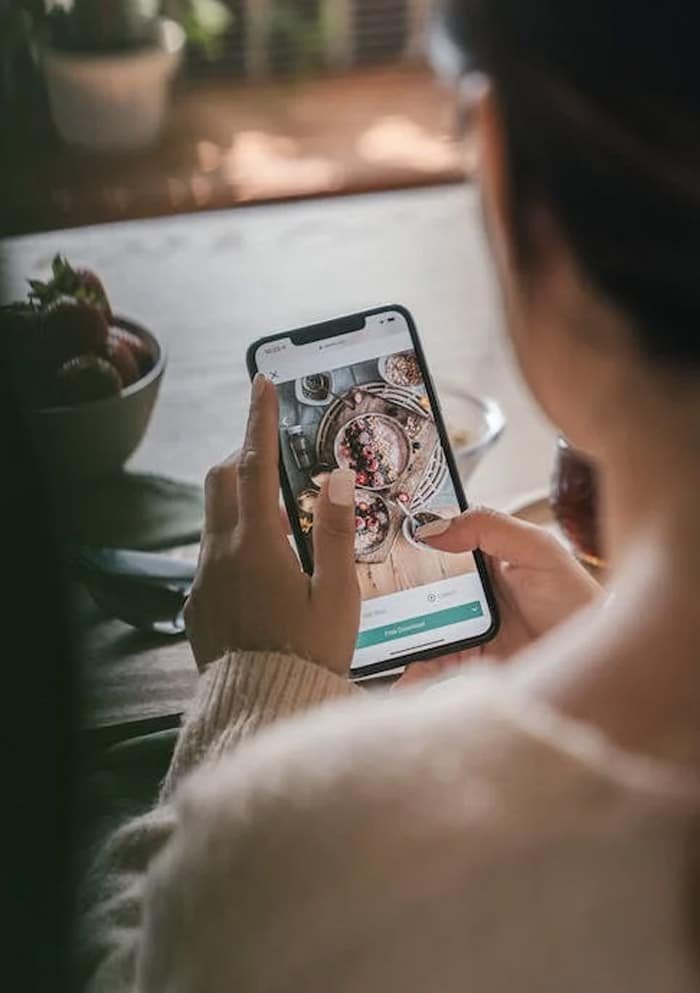
The japan cultural visitor arrives with expectations shaped by the depth of their Japan interest. Cultural tour clients are typically more researched, more historically curious, and more engaged with the layers of meaning at Japan’s heritage sites than the average leisure traveler. This engagement is the asset that connectivity tools like translation apps, research tools, and cultural guide platforms serve.
The connectivity expectation for cultural tour clients is not “I can post my photos” — it is “when I encounter something I don’t understand, I can find out what it means.” That expectation is simple to meet with a reliable data connection and a modest set of apps. It is not met at all without one.
Kyoto Cultural Sites Coverage
Japan kyoto tour programs concentrate connectivity needs at some of Japan’s most visited — and most varied in terms of network infrastructure — heritage destinations.
Fushimi Inari Taisha
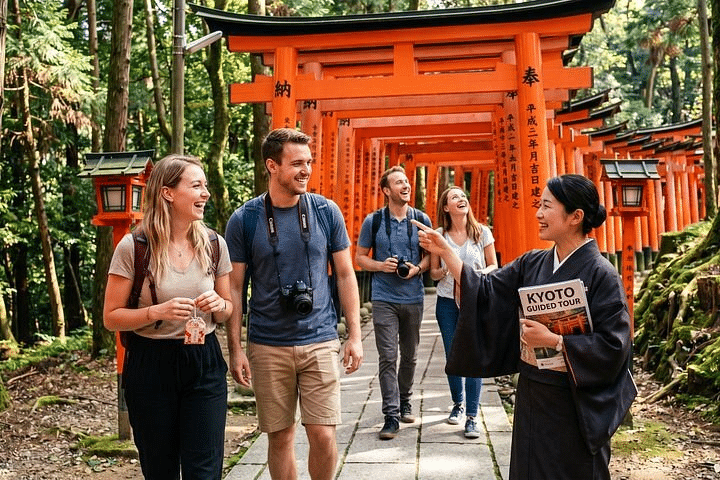
Fushimi Inari’s famous torii tunnel trail is well-covered at the base and lower trail sections, where visitor density is highest and telecommunications infrastructure has developed alongside visitor facilities. Coverage on the upper mountain trail — the full four-kilometer round trip to the summit that fewer visitors complete — becomes more variable as altitude increases and the path moves away from the main visitor zone. Docomo provides the most consistent coverage across the full trail length; other carriers are adequate at the lower sections where most cultural tour visits concentrate.
Arashiyama and the Temple Circuit
The Arashiyama district — covering Tenryu-ji, the bamboo grove, Jojakko-ji, and Okochi Sanso — sits in Kyoto’s western hills and receives strong coverage across all carriers in its main visitor zones. The bamboo grove’s interior — an enclosed, high-sided path — can show reduced signal penetration due to the dense vegetation and path geometry, but this is a brief stretch within an otherwise well-covered area.
Kinkaku-ji, Ryoan-ji, and the Northern Circuit
The northern Kyoto temple circuit has strong coverage across all major sites. Kinkaku-ji’s garden setting provides clear signal line-of-sight; Ryoan-ji’s enclosed rock garden has adequate coverage for messaging and translation while visitors engage with the site; Ginkaku-ji (Silver Pavilion) and the Philosopher’s Path are urban-adjacent and well-covered.
Older Temple Interiors
One coverage consideration specific to cultural tours that doesn’t affect most leisure tours: the interiors of older temple structures — wood and earthen construction, sometimes thick-walled stone or earthen foundations — can reduce signal penetration. For visitors inside temple treasure halls, main halls with thick walls, and underground shrine structures, signal may temporarily reduce. This is typically brief and not operationally significant, but informing tour leaders to expect occasional indoor signal variation at specific sites prevents unnecessary concern.
Nara Coverage
Japan nara tour connectivity covers a geographically compact area with strong coverage across its primary cultural sites.
Nara Park and Todai-ji
Nara Park’s main visitor area — the open deer-grazed parkland surrounding Todai-ji and Kasuga Taisha — is well-covered by all three networks. The open landscape provides excellent signal propagation, and the density of visitor facilities in Nara Park has driven telecommunications development alongside tourism infrastructure.
Todai-ji’s Great Buddha Hall interior has adequate but occasionally reduced coverage given its massive enclosed structure. Visitors spending extended time inside the hall for cultural study or photography may notice slightly reduced signal strength, though messaging and translation remain functional.
Kasuga Taisha and the Forest Path
Kasuga Taisha sits at the edge of Nara’s ancient sacred forest, and the approach path through the cedar trees leading to the inner shrine provides a different coverage environment from the open park. The enclosed forest canopy reduces signal slightly, but coverage remains adequate for translation and messaging. The most distant sections of Kasuga’s outer worship grounds can see reduced signal on non-Docomo networks.
Horyuji and Asuka
For cultural tour programs extending beyond Nara city to Horyuji Temple (Japan’s oldest wooden structure) and the Asuka historical sites south of Nara, the rural and semi-rural network environment becomes relevant. Docomo’s coverage in the Horyuji area and through the Asuka archaeological sites is significantly more robust than SoftBank’s or KDDI’s — making Docomo the appropriate specification for japan heritage tour programs that extend into Nara Prefecture’s historical hinterland.
Tokyo Cultural Districts
Japan tokyo cultural tour connectivity covers a different environment from the temple circuits of Kyoto and Nara — Tokyo’s cultural sites are embedded in urban fabric that provides excellent telecommunications infrastructure by default.
Senso-ji and Asakusa
Asakusa’s cultural district — centered on Senso-ji but extending through the Nakamise shopping street, the surrounding shrine precincts, and the traditional craft workshops of the Kappabashi area — is fully within Tokyo’s dense urban coverage zone. All three networks provide excellent coverage throughout; there are no coverage considerations specific to this area beyond standard urban network performance.
Yanaka and Traditional Tokyo
Yanaka and the adjacent Nezu and Yanesen districts — Tokyo’s most intact traditional urban neighborhood, with temple cemeteries, craftsmen’s workshops, and a slow pace that cultural tour operators value — are covered across all carriers within Tokyo’s urban network. The predominantly low-rise built environment provides better signal propagation than Tokyo’s high-rise districts.
Imperial Palace East Garden, Meiji Jingu, and Major Shrines
Tokyo’s major shrine and garden sites — Meiji Jingu’s enclosed forested precinct, the Imperial Palace East Garden, Shinjuku Gyoen — all provide adequate coverage within their grounds across all major networks. Meiji Jingu’s deep forest approach path has good coverage despite the dense vegetation; the shrine’s main precinct and cultural facilities are well-covered.
Museums and Cultural Institutions
Tokyo’s major cultural institutions — Tokyo National Museum in Ueno, the Edo-Tokyo Museum, the National Museum of Modern Art — are within urban coverage zones and present no network considerations specific to cultural tour connectivity planning.
The Pace of Cultural Tours and Data Needs
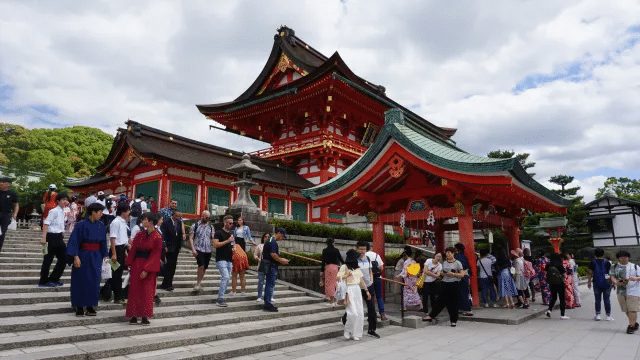
The japan cultural tour group moves at a different pace from a leisure tour, and this pace has specific implications for data consumption patterns.
Slower Movement, Deeper Engagement
Cultural tour itineraries allocate more time per site than standard leisure tours — thirty minutes at Ryoan-ji rather than five; a full hour at Todai-ji studying the Great Buddha rather than a photo and departure. This extended dwell time at sites means the connectivity use pattern is sustained engagement rather than brief bursts — translation running continuously, research tools consulted repeatedly, audio guide apps active for extended periods.
The per-hour data consumption for this engagement pattern is relatively modest — translation and research are not data-intensive functions — but it is sustained throughout longer site visits. Total daily data consumption for cultural tour travelers is typically lower than for sakura or ski tour travelers, making standard fixed data plans (10–15GB for a typical cultural tour duration) generally adequate without requiring unlimited plans.
Translation App Dependency
Japan cultural translation app usage is the distinctive data need of the cultural tour client. Google Translate’s camera function — pointing a phone at Japanese text and receiving a real-time overlay translation — is transformative for temple inscription reading, exhibit description comprehension, and menu navigation in traditional restaurants. This function requires a data connection for best results (though partial offline functionality exists with downloaded language packs).
For japan heritage tour operators, including a specific note about Google Translate’s camera function and recommending pre-downloading the Japanese offline language pack in pre-departure documentation is practical guidance that meaningfully improves the client’s cultural experience. The offline pack reduces data consumption while maintaining camera translation functionality for the language patterns most commonly encountered at Japanese heritage sites.
Audio Guide and Cultural Content Apps
Several Japan cultural institutions — the Tokyo National Museum, certain Kyoto temples, and National Treasure sites — provide audio guide content through apps that require data access for content streaming or initial content download. Cultural tour operators should advise clients to download available audio guide content over hotel WiFi before visiting specific sites, reducing the data demand of in-site cultural engagement.
Group Sizes and Connectivity at Heritage Sites
Japan temple wifi and cultural site connectivity management has site-specific regulations and visitor flow considerations that affect how connectivity is practically used.
Photography Restrictions and the Connectivity Context
Many of Japan’s most significant cultural interiors — the main halls of major Kyoto temples, certain National Treasure structures, some museum exhibition rooms — restrict or prohibit photography. In these spaces, the connectivity use case shifts from documentation to understanding: translation of written texts, research on what the visitor is experiencing, and consultation of cultural guides. The absence of photography pressure makes these spaces particularly suited to unhurried research connectivity use.
Group Size and Site Navigation
Japan cultural tour group size recommendations for heritage site management typically suggest smaller groups — eight to fourteen travelers — that allow guides to maintain meaningful interpretation and discussion flow within temple precincts and museum galleries. Larger cultural groups (twenty or more) create crowd dynamics at sensitive sites that reduce the meditative quality that makes Japanese heritage sites distinctive.
From a connectivity management perspective, smaller cultural tour groups are also easier to coordinate at sites with limited visitor flow — the group chat message reaching fourteen travelers with the next site’s meeting point is less complex than reaching twenty-five travelers spread through Ryoan-ji’s gardens.
Tour Leader Cultural-Tour Playbook
The japan cultural tour leader manages connectivity as an enrichment tool rather than a logistical necessity — a subtle but important distinction that shapes how it is introduced to the group.
Framing Connectivity as Cultural Access
At the group’s first gathering, introduce the eSIM connectivity in cultural rather than logistical terms: “Your Japan eSIM gives you on-demand access to translation, research, and cultural guides throughout every site we visit — whenever something interests you or raises a question, you can explore it immediately. I’ll be providing guided interpretation, but your phone is a great complement for the moments that spark your own curiosity.”
This framing positions connectivity as aligned with the cultural tour’s deepest purpose — depth of engagement — rather than as a communications service that exists alongside the cultural experience.
Pre-Site Research Suggestions
Before each major site visit, share a brief suggestion in the group chat: the name of the site’s Wikipedia page, a relevant video, or a specific feature to research before arrival. This pre-visit connectivity use builds anticipation and gives clients a use case for their eSIM that is explicitly cultural rather than social.
Connectivity-Free Moment Guidance
The best cultural tour leaders understand that some moments are better experienced without phone screens. Gentle guidance on when to put the phone away — during meditation sessions, during traditional performance viewings, at certain deeply contemplative moments in major shrine visits — is appropriate in the cultural tour context and is received well by clients who have chosen a cultural tour specifically because they want depth of experience.
Managing Indoor Signal Variation
When entering larger temple halls or enclosed shrine structures where signal may temporarily reduce, a brief note to the group prevents connectivity expectation mismatches: “Signal can be a bit variable inside the main hall — if translation or research isn’t loading, try again when we’re back in the garden.” This normalizes the variation without overstating its frequency or impact.
According to the Japan National Tourism Organization (JNTO), cultural heritage tourism is the strongest driver of Japan’s high-value inbound visitor segment — with travelers citing temples, shrines, traditional arts, and historical sites as primary motivators for Japan visits. The GSMA identifies translation app functionality as a primary eSIM use case in cultural heritage destinations globally, with Japan cited as a leading example of a destination where language barrier reduction through real-time translation significantly enhances visitor experience quality.
Conclusion: Connectivity That Serves the Experience
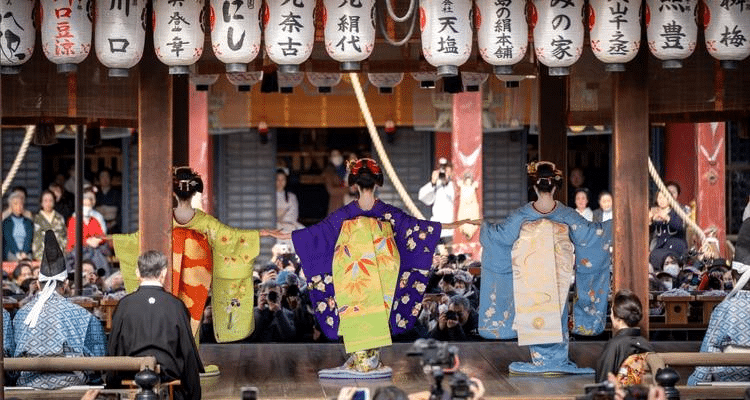
Japan cultural tour connectivity is at its best when it serves the experience rather than competing with it. The japan cultural tour 2026 operator who frames connectivity as a cultural access tool — enabling translation, research, and real-time understanding at Japan’s extraordinary heritage sites — creates a different relationship between their clients and their phones than the operator who treats connectivity as simply a communication service.
Coverage across Kyoto, Nara, and Tokyo’s cultural corridors is strong and consistent across all three major networks, with Docomo providing the additional coverage advantage for programs that extend into rural temple circuits and regional heritage destinations outside the main urban zones. Data plans sized appropriately for cultural engagement rather than content creation — typically standard fixed data plans of 10–15GB for a standard cultural tour duration — cover the translation, research, and moderate photo sharing patterns of japan cultural tour agency client profiles.
Japan Sim Data’s eSIM plans on Docomo, SoftBank, and KDDI networks, with Japan heritage tour operator bulk pricing and multilingual distribution materials, support the connectivity infrastructure that cultural tour programs need. The starting point for japanese cultural tour operators aligning their connectivity to their product values is wordpress-1493298-6069223.cloudwaysapps.com.
Frequently Asked Questions
Q1: Is connectivity reliable inside major Kyoto temple halls and enclosed shrine structures?
A: Generally yes, though signal can reduce inside larger enclosed structures — particularly thick-walled main halls and underground shrine spaces. This is typically brief and doesn’t prevent messaging or translation, though data-intensive functions (video loading, large uploads) may be slower. Docomo provides the most consistent indoor coverage across Kyoto’s heritage sites. Informing tour leaders to expect occasional indoor signal variation prevents disproportionate client concern.
Q2: How much data does a cultural tour client typically use per day in Japan?
A: Cultural tour clients typically use less data than sakura or ski tour clients — translation, research, and moderate photo sharing are less data-intensive than continuous video upload or streaming. A reasonable estimate is 1–2GB per day for a culturally engaged traveler not streaming video or making extensive video calls. Standard fixed data plans of 10–15GB are adequate for most cultural tour durations without requiring unlimited plans.
Q3: Which network is best for cultural tours that extend beyond Kyoto and Nara into rural heritage sites?
A: Docomo is the consistent recommendation for itineraries extending into rural heritage Japan — Horyuji and the Asuka historical sites south of Nara, the Kii Peninsula’s sacred sites (Kumano Kodo, Koyasan), rural castle towns, and Tohoku’s temple circuits. Docomo’s rural coverage advantage over SoftBank and KDDI is most pronounced in exactly these settings.
Q4: What apps should cultural tour operators recommend clients install before a Japan heritage tour?
A: Google Translate (with Japanese offline language pack downloaded for camera translation), Google Maps (with offline tiles for the tour’s regions), the Japan Official Travel App from JNTO, and any cultural institution apps specific to major sites on the itinerary (Tokyo National Museum, certain Kyoto temples provide apps with cultural content). Japan Sim Data’s pre-departure installation guide can include an app recommendation section tailored to cultural tour itineraries.
Q5: How should tour leaders introduce connectivity to cultural tour groups to set the right tone?
A: Frame connectivity as cultural access rather than communication service — “Your Japan eSIM lets you research and translate anything you encounter throughout our visits” positions the phone as a cultural engagement tool aligned with the tour’s purpose. Include gentle guidance on connectivity-free moments at the most contemplative sites. Cultural tour clients respond well to leadership that values depth of experience, and connectivity framed as serving that depth is received positively.