
Best Japan eSIM for Foodie Travelers: Restaurant Booking and Map Data
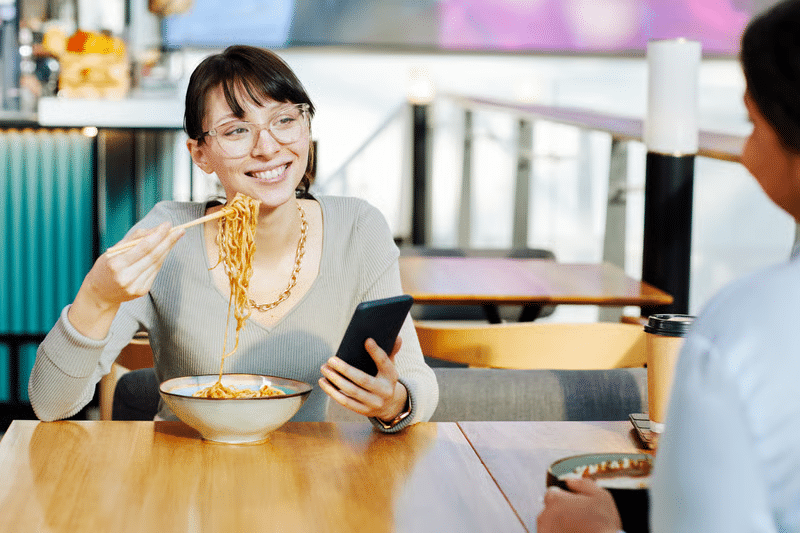
Japan’s food culture is one of the world’s great reasons to travel. The country offers an extraordinary range of dining experiences, from regional ramen shops to Michelin-starred restaurants. You can explore morning markets, enjoy omakase sushi, or discover a small izakaya hidden in a narrow alley.
However, finding these experiences often requires research and reliable mobile data. You may need to check restaurant reviews, confirm opening hours, translate a handwritten menu, or find your way through an unfamiliar neighborhood.
A Japan foodie eSIM helps you stay connected throughout these activities. Your phone becomes a research tool, navigation guide, translation device, and social media platform. With the right data plan, you can spend less time solving connectivity problems and more time enjoying Japanese cuisine.
Why Food Travelers Need Reliable Mobile Data
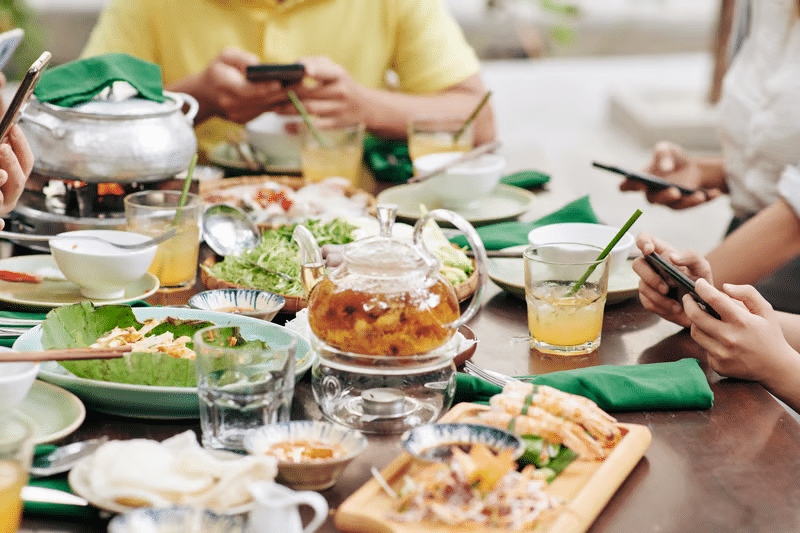
Japan’s food scene rewards curiosity. However, discovering its best dining experiences often requires more research than a typical sightseeing trip.
Researching Restaurants Throughout the Day
Food-focused travelers often research their next meal while walking through a neighborhood or waiting in a queue. They may compare restaurant reviews, check menus, and look for recommendations from local food bloggers.
Platforms such as Tabelog, Google Maps, and Instagram help travelers make these decisions. However, their usefulness depends on access to current information.
Unlike a sightseeing itinerary planned entirely in advance, a food itinerary can change several times a day. You might discover a popular ramen shop nearby or find a recommendation for a sushi restaurant while exploring Osaka.
A Japan eSIM lets you access these resources whenever you need them. This makes spontaneous dining decisions much easier.
Understanding Food Travel Data Usage
Food-focused trips involve several recurring activities that consume mobile data.
- Restaurant research: Reading reviews, checking menus, and comparing recommendations.
- Navigation: Finding restaurants, markets, food halls, and hidden dining spots.
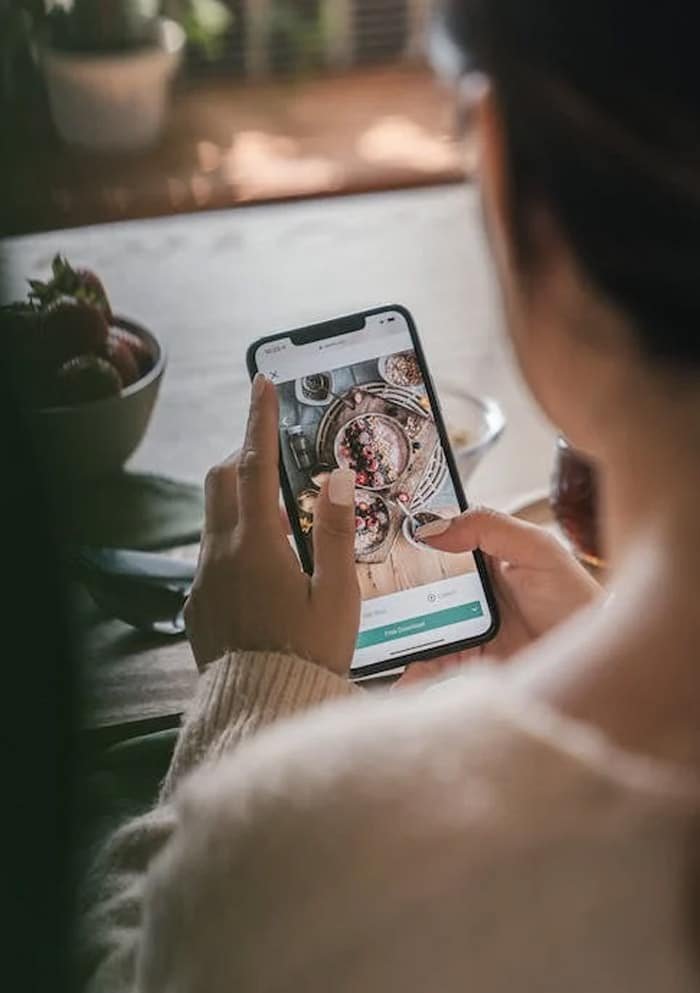
- Photography: Uploading pictures of meals and restaurant interiors.
- Translation: Using camera translation to understand Japanese menus.
- Social sharing: Posting food photographs, videos, and recommendations.
These activities may seem small individually. However, repeated use throughout the day can increase your total data consumption.
Essential Apps for Japan Food Discovery
Tabelog: A Useful Restaurant Research Platform
Tabelog is one of Japan’s best-known restaurant review and discovery platforms. It provides restaurant listings, customer reviews, photographs, and other dining information.
A Japan eSIM helps you access Tabelog while exploring unfamiliar areas.
You can use the platform to:
- Search for restaurants by neighborhood and cuisine.
- Compare reviews and restaurant scores.
- Check photographs and available menu information.
- Look for restaurants that support online reservations.
- Discover dining options near your current location.
Tabelog’s main Japanese-language platform offers extensive information. International travelers can use browser translation tools to make it easier to navigate. An English-language version is also available, although its content may differ from the Japanese site.
Keep in mind that restaurant scores and reviews are only part of the decision. Check opening hours, reservation requirements, menu details, and recent information before visiting.
Google Maps for Restaurant Navigation
Google Maps is another essential tool for food travelers. It helps you locate restaurants, plan walking routes, and check business information.
Japan’s food destinations often include narrow streets, underground shopping areas, and small restaurants with discreet entrances. Maps can help you reach the right neighborhood and find the entrance.
You can also review photographs and directions before setting out. Downloading offline maps for selected areas can provide extra help when mobile coverage is weak.
Booking High-End Restaurants
Some of Japan’s most sought-after dining experiences require advance reservations. This is especially true for certain omakase counters and restaurants with limited seating.
Platforms such as Pocket Concierge and TableCheck can help international travelers explore reservation options. TableAll may also list selected high-end dining experiences.
These services need an internet connection to browse available options and complete online booking steps. A Japan eSIM can help you manage reservations while traveling.
However, mobile data cannot guarantee a booking. Popular restaurants may fill their available seats weeks or months in advance. Whenever possible, reserve your preferred dining experiences before departure.
How Much Data Does Food Photography Use?
Japan’s food presentation makes photography a natural part of the experience. From beautifully arranged kaiseki dishes to bowls of tonkotsu ramen, many travelers want to capture and share their meals.
Your data needs depend on the file size, video quality, and platform you use.
Estimated Data Use for Food Content
The following figures are rough planning estimates, not fixed platform requirements.
| Activity | Estimated data use |
|---|---|
| Uploading one compressed food photo | 2–5 MB |
| Sharing a short video Story | 15–30 MB |
| Uploading a short TikTok video | 50–150 MB or more |
| Sharing photos and videos across several platforms | Highly variable |
Your actual usage may be higher when you upload high-resolution images or longer videos. Automatic cloud backups can also consume significant data.
For a traveler who mainly shares photographs, a fixed-data plan may be sufficient. However, frequent video uploads can increase daily usage considerably.
Tips for Saving Mobile Data
You can enjoy food photography without using your data allowance unnecessarily.
- Connect to trusted hotel Wi-Fi when uploading large files.
- Disable automatic photo and video backups over mobile data.
- Upload videos at a lower resolution when appropriate.
- Save useful restaurant information before leaving your accommodation.
- Download offline maps for the neighborhoods you plan to visit.
These simple habits help your data last longer without limiting your food discoveries.
Practical eSIM Tips for Food Tours
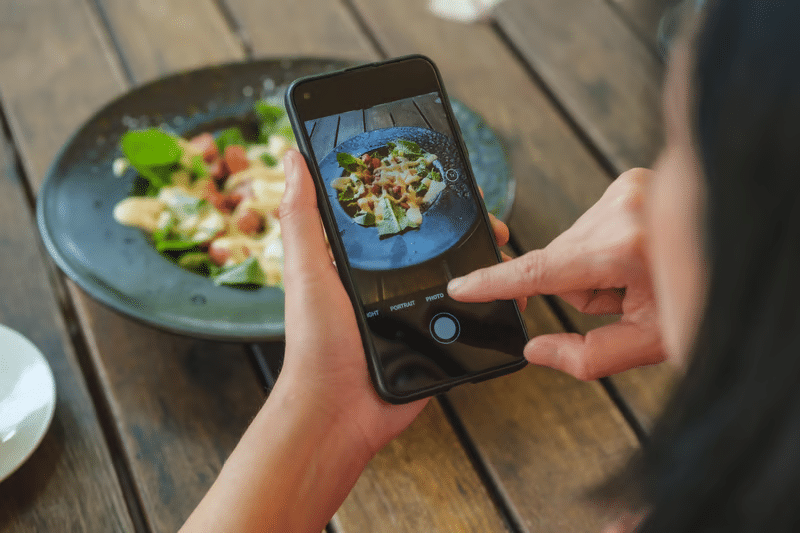
Prepare Before Each Meal
The period before a meal often involves several tasks at once. You may search for a restaurant, read recent reviews, confirm opening hours, and navigate to the entrance.
Prepare a shortlist of restaurants before starting your day. Save their addresses, booking confirmations, and opening information where possible.
This approach reduces repeated searches. It also helps you make quicker decisions when you arrive in a busy food district.
Use live data for updated information, directions, and last-minute changes. Keep in mind that opening hours and reservation availability can change.
Navigate Food Alleys and Underground Complexes
Some of Japan’s most memorable dining experiences are tucked away from main streets. Tokyo’s Shinjuku and Yurakucho districts, for example, contain compact dining alleys with many small establishments.
Department-store food halls and underground restaurant areas can also be confusing for first-time visitors.
Google Maps can help you reach the surrounding area. However, it may not identify every entrance or small restaurant perfectly. Restaurant photographs, written directions, and recent reviews can help you confirm that you have found the right place.
For this reason, save the restaurant’s Japanese name and address before you leave.
Translate Japanese Menus and Signs
Language differences can make ordering food challenging, especially at restaurants without English menus.
Google Translate and similar tools can translate printed menus, signs, and selected handwritten text using your phone’s camera. Some translation features require an internet connection, while downloaded language packs support certain offline functions.
For the best results, check the translation before ordering when a dish contains ingredients you need to avoid. Machine translation can make mistakes, particularly with handwritten menus and specialized food terms.
Downloading a Japanese language pack before your trip can provide a useful backup.
Choosing a Mobile Network for Food Travel
Japan’s major mobile networks serve the country’s principal cities and many regional destinations. However, actual performance varies by location, building, device, and network conditions.
Your itinerary should guide your eSIM choice.
NTT Docomo for Regional Food Exploration
Docomo is worth considering if your itinerary includes smaller towns and rural destinations alongside major cities.
You might visit a regional fish market, stay at a countryside ryokan, or explore a local specialty restaurant outside the main tourist districts.
Check the specific eSIM’s network access and coverage information before purchasing. No carrier can guarantee uninterrupted service in every building, mountain area, or remote location.
SoftBank for Urban Food Itineraries
SoftBank is another option for travelers concentrating on major urban destinations such as Tokyo, Osaka, and Fukuoka.
These cities offer extensive choices for ramen, sushi, street food, and regional specialties. If your trip mainly follows urban food districts, compare SoftBank-based plans with other available networks.
KDDI (au) for City and Regional Travel
KDDI, also known as au, is another major Japanese network. It may suit travelers visiting regional cities as well as major metropolitan areas.
For example, you might combine seafood in Kanazawa with local dishes in Nagasaki or Matsuyama. Before choosing a plan, review its supported network and check coverage for your destinations.
Japan Sim Data tip: Compare network access, data allowances, validity periods, and device compatibility before purchasing. Your destination and travel habits matter more than choosing a carrier based on its name alone.
Choosing the Best Japan Sim Data Plan for Foodies
The right plan depends on how often you research restaurants, use translation tools, and share content.
Standard Food-Focused Trip: Around 15GB
A plan with around 15GB may suit a traveler spending seven to ten days in Japan. It can support restaurant research, navigation, translation, and regular photo sharing.
This estimate assumes moderate usage and occasional Wi-Fi access. Frequent video uploads or cloud backups may require more data.
Intensive Food Tourism: Around 20GB
Consider around 20GB for a two-week trip involving several cities and frequent social media activity.
This allowance provides more flexibility for repeated restaurant searches, map use, translation, and sharing photographs. Monitor your usage during the trip to avoid running short.
Professional Food Creators: Consider Unlimited Data
Food bloggers and video creators may need a larger allowance. Professional workflows can involve high-resolution photography, video uploads, cloud storage, and publishing across several platforms.
An unlimited plan may be a practical option for this type of trip. However, check the provider’s fair-use policy, speed restrictions, hotspot rules, and any other limitations before purchasing.
Rural Food Trips: Prioritize Coverage
If you plan to explore regional cuisine beyond major cities, review coverage before choosing your data allowance.
A large data package offers limited value if the network cannot serve your destination reliably. Compare the supported carrier, coverage maps, and plan conditions for the specific towns you intend to visit.
Planning a Michelin-Starred Food Trip
Travelers planning a Michelin-focused itinerary should arrange important reservations before departure whenever possible.
Many sought-after restaurants have limited seating and strict booking policies. Some accept online reservations, while others may use different booking procedures.
Once you arrive, your eSIM can help you navigate to confirmed reservations, check transport options, and discover other restaurants nearby.
You can also use mobile data to explore local bakeries, markets, casual noodle shops, and regional specialties between major dining experiences. These discoveries can be just as memorable as a formal tasting menu.
For background information about Japan’s destinations and visitor services, consult the Japan National Tourism Organization (JNTO).
Conclusion: Explore Japan’s Food Scene with Confidence
Japan offers an exceptional range of culinary experiences, from neighborhood ramen shops to carefully prepared multi-course meals. Reliable mobile data makes it easier to discover restaurants, understand menus, manage reservations, and navigate unfamiliar streets.
A Japan foodie eSIM can support all these activities throughout your trip. Choose your data allowance according to your travel length and sharing habits. Around 15GB may suit moderate use, while 20GB provides more room for an intensive food itinerary. Content creators should consider a larger or unlimited plan and check its conditions carefully.
Japan Sim Data offers eSIM options for travelers who want mobile connectivity during their food adventures. Compare available plans, network access, and data allowances to find an option that matches your itinerary.
Visit Japan Sim Data to explore available eSIM plans before your trip.
Frequently Asked Questions
Q1: Is Tabelog accessible in English with a Japan eSIM?
A: Tabelog’s primary interface is Japanese, but it is accessible via Chrome’s auto-translation function or Google Translate integration. The English-language version of Tabelog (tabelog.com/en) exists but has less comprehensive content than the Japanese version. Using Chrome’s real-time page translation on the full Japanese Tabelog site, powered by your Japan Sim Data eSIM connection, provides the most complete access to Japan’s most important restaurant review platform.
Q2: How much data does a typical Japan foodie trip use per day?
A: A food-focused Japan traveler using Tabelog research, Google Maps navigation, camera translation at restaurants, and active social media sharing typically uses 2–4GB per day. Active multi-platform social media creators sharing food content across Instagram, TikTok, and Twitter may reach 4–6GB. Professional food creators with video workflows should plan for unlimited plans.
Q3: Can I book Michelin-starred restaurants in Japan from a Japan eSIM?
A: Yes. Pocket Concierge, TableAll, and direct restaurant websites all function normally on Japan Sim Data eSIM connections. Note that the most sought-after restaurants — tasting menu omakase experiences with very limited seats — are often fully booked weeks or months in advance. The eSIM assists with booking research and day-of navigation but cannot substitute for advance reservation planning.
Q4: Does Google Maps reliably cover Japan’s food alleys and underground restaurant complexes?
A: Google Maps has significantly improved Japan coverage, including indoor mapping for major train stations and some underground complexes. For complex food alley navigation (Shinjuku’s Memory Lane, Yurakucho’s under-track izakaya row), Google Maps provides accurate outdoor navigation to the entrance; internal navigation within the complexes benefits from Tabelog’s more specific location data and user-submitted photographs.
Q5: Which Japan Sim Data plan is best for a two-week food-focused Japan trip?
A: 20GB on Docomo for a food traveler covering both urban and regional Japanese food destinations — the combination of Tabelog research, Google Maps navigation, camera translation, and active social sharing across two weeks typically stays within 20GB with occasional hotel WiFi supplement. For content creators producing professional food content throughout the trip, unlimited on Docomo is the appropriate specification.