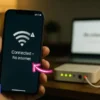

Roaming vs eSIM in Japan: Why an eSIM Wins Almost Every Time

Every traveler heading to Japan faces the same choice when their flight confirmation arrives: should you leave international roaming on, or set up a dedicated Japan eSIM before you fly?
One option requires almost no effort. The other takes about ten minutes to set up. However, the cost difference can reach hundreds of dollars on a single trip.
Roaming vs eSIM Japan is an important comparison for travelers. Japan is one of the world’s most popular tourist destinations. It also has highly developed mobile networks. However, international roaming can still cost far more than a local data plan.
Therefore, understanding what you pay for each option can help you prepare. This guide compares roaming and eSIM costs, speed, reliability, and convenience. It also explains when roaming may still make sense.
How International Roaming Works in Japan

When you land at Narita, Haneda, or Kansai International, your phone searches for a Japanese network. This happens when you enable roaming on your home SIM.
Your home carrier has roaming agreements with one or more Japanese networks. These may include NTT Docomo, SoftBank, or KDDI/au. Your phone then connects to an available partner network.
From there, your home carrier manages your roaming service. It tracks your data, calls, and SMS usage. Your home carrier then applies its international roaming rates.
This setup has one clear advantage. You do not need to install anything. There are no QR codes or eSIM profiles to manage.
However, that convenience can cost more. Your carrier also controls the roaming terms. These terms may include daily fees, data limits, or speed restrictions.
In addition, the international roaming Japan experience can vary by carrier. Your home provider decides which Japanese network you can access. As a result, you may not always connect to the network that best suits your itinerary.
Typical Roaming Charges in Japan by Country
Japan roaming charges vary by country and carrier. Even so, one pattern appears across many plans. Roaming often costs more than a dedicated Japan eSIM with similar data.
United States carriers
AT&T, Verizon, and T-Mobile offer international roaming options. Many plans use daily passes that cost around USD $10–$12 per day.
The exact price and data allowance depend on your plan. Some options include a limited amount of high-speed data. After that limit, speeds may decrease.
For example, a 10-day trip could cost USD $100–$120 if your plan charges $10–$12 per day.
Without a roaming pass, pay-per-use rates can be much higher. Some US plans have historically charged high rates for roaming data. Therefore, travelers should always check their current carrier terms before departure.
United Kingdom carriers
UK roaming policies differ by provider. Japan also falls outside the EU and EEA roaming framework.
EE, Vodafone, and O2 offer different roaming options. Depending on the plan, travelers may pay a daily fee or use a separate roaming package.
Therefore, check the current Japan roaming rate before you travel. The price can vary significantly between plans.
Australian carriers
Australian providers also offer several Japan roaming options. Telstra, Optus, and Vodafone AU have roaming packs and daily options.
The included data varies by plan. Some packages provide a limited high-speed allowance before reducing speeds.
Again, checking your specific plan is important. A standard roaming price does not apply to every customer.
European carriers
EU roaming regulations generally cover the European Economic Area. Japan sits outside that roaming zone.
As a result, European travelers usually need an international roaming option for Japan. Prices and data allowances vary between countries and providers.
For this reason, compare the total cost before choosing roaming.
How a Japan eSIM Works
A japan travel data plan delivered through an eSIM works differently from traditional roaming.
Instead of using your home carrier’s international roaming agreement, you purchase a separate mobile data plan. The eSIM then connects your phone to a supported Japanese network.
When you buy a Japan eSIM from Japan Sim Data, you receive a QR code or activation link. You use this information to install the eSIM on a compatible device.
After installation, your phone can connect to a supported Japanese network. Depending on the plan, this may include NTT Docomo, SoftBank, or KDDI/au.
You can usually complete the setup before leaving home. As a result, you can arrive in Japan with your mobile data ready to use.
Japan Sim Data offers Day Pass, fixed-duration Plan, and Unlimited options. The service also provides bulk and group options for travel agencies and organized trips.
The basic economics of japan esim vs roaming are straightforward. Roaming uses your home carrier’s international agreements. An eSIM gives you a separate Japan-focused data plan.
Cost Comparison: Roaming vs eSIM for a 1-Week Japan Trip

Let’s make this concrete with a realistic 7-day Japan itinerary — Tokyo for four days, a Shinkansen trip to Kyoto and Osaka for three days. Moderate data use: navigation, social media, messaging apps, occasional streaming, video calls home.
Estimated daily data consumption for this profile: 1–2 GB.
Roaming cost (US carrier, $10/day pass): 7 days × $10 = USD $70 Data included: typically 500 MB–1 GB at full speed per day, throttled thereafter. Overage risk: moderate — streaming or video calls easily exceed 500 MB daily.
Roaming cost (UK carrier, £3/day add-on): 7 days × £3 = GBP £21 Data included: typically 500 MB per day at full speed. Overage risk: high for moderate-to-heavy users.
Japan eSIM cost (7-day plan, Japan Sim Data): Typically in the range of USD $15–$25 depending on data tier and network. Data included: generous daily allowance or unlimited with fair usage policy. Overage risk: none — throttling applies after daily threshold rather than per-MB charges.
For a one-week Japan trip, the japan esim savings versus a US carrier day-pass structure alone reach USD $45–$55. Against pay-per-use roaming without a day pass, the savings are dramatically higher.
Cost Comparison: 2-Week and 30-Day Japan Trips
The longer the trip, the more dramatic the japan esim cheaper advantage becomes.
2-week Japan trip (14 days):
| Option | Estimated Cost | Notes |
|---|---|---|
| US carrier day pass ($10/day) | USD $140 | Often throttled after 500 MB/day |
| UK carrier add-on (£3/day) | GBP £42 | Limited daily data |
| AU carrier day pack ($8/day) | AUD $112 | 200–500 MB/day |
| Japan eSIM (14-day plan) | USD $25–$40 | Generous data, local rates |
30-day Japan trip:
| Option | Estimated Cost | Notes |
|---|---|---|
| US carrier day pass ($10/day) | USD $300 | Significant throttling risk |
| UK carrier add-on (£3/day) | GBP £90 | Very limited for long stay |
| Japan eSIM (30-day unlimited) | USD $40–$60 | Full unlimited with FUP reset |
For long-stay travelers — students on language programs, working holiday visa holders, digital nomads spending a month or more in Japan — japan roaming fees on a home carrier become genuinely prohibitive. A 30-day US carrier day pass at $10/day reaches USD $300, against a Japan unlimited eSIM that costs a fraction of that with better daily data allowances.
Japan international data through roaming also carries the risk of bill shock: accidental data use outside a day pass window, background app updates consuming roaming data, or simply forgetting to activate the day pass one morning can each generate unexpected charges. A Japan eSIM plan eliminates this risk entirely — you pay a fixed price upfront, and there are no surprise charges.
Speed and Reliability — Are They Different?
Japan mobile roaming and a local Japan eSIM both connect to Japan’s network infrastructure, but they don’t always deliver the same experience.
When you roam in Japan, your device connects to a partner network determined by your home carrier’s agreements — not necessarily the network with the best coverage for your specific itinerary. You may have no control over which Japanese carrier your roaming traffic runs on. Additionally, roaming traffic on Japanese networks is typically assigned lower QoS (Quality of Service) priority than local subscriber traffic, meaning during peak hours — rush hour in Tokyo, busy tourist weekends in Kyoto — roaming connections can be slower and less consistent than local plans.
A Japan eSIM from Japan Sim Data connects you to NTT Docomo, SoftBank, or KDDI/au as a local data plan subscriber. You choose the network that best matches your itinerary, and your traffic is handled at local subscriber priority. Real-world speed differences between roaming and local eSIM connections in Japan are measurable — particularly in high-congestion environments like Shinjuku Station at 8am or Dotonbori on a Saturday night.
According to the Japan National Tourism Organization (JNTO), Japan receives tens of millions of international visitors annually, with mobile connectivity consistently ranked among the top practical priorities for inbound tourists. Japan’s networks are built to handle that scale — but local subscribers get the best of it.
When Roaming Might Still Make Sense
In the interest of a complete picture, there are specific situations where japan tourist roaming remains a reasonable choice rather than a costly mistake.
Very short stopovers. If you’re transiting through Tokyo or Osaka for 24–48 hours as part of a longer itinerary, a single day pass from your home carrier may be more convenient than setting up a dedicated Japan eSIM for such a brief stay. The setup time is a larger fraction of the trip’s total length.
Emergency backup. Some travelers activate roaming as a fallback option — switched off by default but available if their Japan eSIM encounters a technical issue. This is a reasonable precaution for business travelers or anyone for whom a data gap would be genuinely disruptive.
Carriers with strong Japan roaming inclusions. A small number of premium global carriers include Japan in their standard international plans at no additional daily charge — certain T-Mobile US plans, some corporate account structures, and a few premium EU carriers. If you’re already on such a plan and Japan data is genuinely included at no extra cost, roaming may be cost-neutral.
Travelers who won’t touch their phone settings. For less tech-comfortable travelers — particularly older visitors or those unfamiliar with eSIM setup — the zero-configuration nature of roaming has genuine appeal. In these cases, the cost premium of roaming is the price of convenience.
Outside these scenarios, japan roaming worth it is a difficult case to make. The math consistently favors a local Japan eSIM on every trip longer than 48 hours.
Frequently Asked Questions

Q1: How much does roaming in Japan cost compared to an eSIM? A: For a typical 7-day Japan trip, US carrier day passes cost around USD $70, UK carrier add-ons around GBP £21, and Australian day packs around AUD $56 — all with limited daily data that may throttle before your actual usage is covered. A comparable Japan eSIM plan typically costs USD $15–$25 for the same duration with more generous data. The japan esim savings on a one-week trip routinely reach USD $40–$55 or more.
Q2: Is roaming data in Japan as fast as a local eSIM? A: Not always. Roaming traffic on Japanese networks is generally assigned lower priority than local subscriber traffic, meaning speeds can be less consistent — particularly in high-congestion urban environments. A Japan eSIM connects you as a local data subscriber on your chosen network, typically delivering better real-world speeds during peak hours.
Q3: Can I use roaming and a Japan eSIM at the same time? A: Yes, on dual SIM devices. A common setup is keeping your home SIM active for calls and SMS (with data roaming switched OFF to prevent charges) while running a Japan eSIM as the active data line. This gives you the best of both — reachable on your home number, paying local rates for data.
Q4: What happens if I forget to turn off roaming in Japan? A: Background data use — app updates, cloud syncing, email — can generate significant roaming charges very quickly, particularly at pay-per-use rates. Always confirm your roaming settings before landing in Japan. If using a Japan eSIM as your data line, go to Settings → Cellular → [Home SIM] and switch data roaming to OFF.
Q5: Is a Japan eSIM difficult to set up compared to just using roaming? A: Setup takes around 5–10 minutes on most modern smartphones — scanning a QR code, installing the profile, and setting the eSIM as your data line. It’s a one-time process done before departure. Against the cost savings of USD $50–$200+ depending on trip length, it’s among the highest-value ten minutes of Japan trip preparation you can invest.
Conclusion
The roaming vs eSIM Japan comparison has a clear winner for almost every traveler in 2026. International roaming charges in Japan remain high across US, UK, Australian, and European carriers — and the data you get for that premium is typically limited, throttled, and lower-priority on Japan’s networks. A dedicated Japan eSIM delivers local-rate pricing, full-speed access on your chosen network, and complete cost predictability, for a fraction of what roaming costs on trips of any meaningful length.
The case for roaming narrows to brief stopovers, genuine plan inclusions at no extra charge, and travelers who prioritize zero setup above cost savings. For everyone else — whether you’re spending a week chasing cherry blossoms in Kyoto, two weeks on a Tokyo-to-Hiroshima rail journey, or a month exploring every corner of the country — the japan esim cost advantage is too significant to ignore.
Japan Sim Data offers eSIM plans across NTT Docomo, SoftBank, and KDDI/au networks — Day Pass, fixed-duration, and Unlimited options — with transparent pricing and activation in minutes. Leave your home carrier’s roaming charges behind and start your Japan trip connected at local rates. Explore the full range at wordpress-1493298-6069223.cloudwaysapps.com.