
Japan Otaku Traveler eSIM: Your Anime and Manga Travel Guide
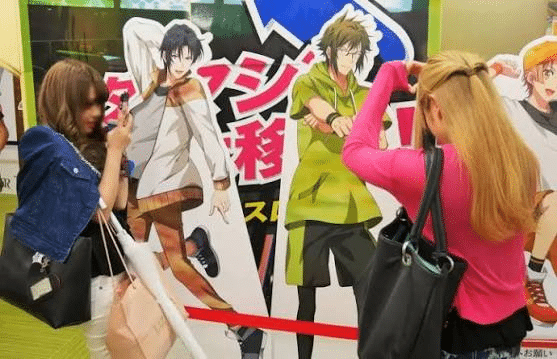
A trip built around anime, manga, and pop culture runs on connectivity in a way most typical sightseeing itineraries don’t. A reliable Japan otaku traveler eSIM keeps you online for checking store stock before a shop closes, coordinating meetups with fellow fans, live-tweeting a con panel, and uploading photos of the day’s haul before you even leave Akihabara. Between crowded shopping districts, packed event venues, and the constant urge to document every find, pop-culture travel puts real demands on a connection that a generic tourist plan doesn’t always anticipate.
A dedicated japan anime esim setup and a japan manga travel esim plan serve slightly different, though overlapping, needs — one traveler might spend most of a trip hunting manga volumes and merchandise across specialty shops, while another builds an entire itinerary around convention attendance and cosplay meetups. Either way, a generic japan tourist sim otaku purchase, built around typical sightseeing patterns, tends to undersell just how much data-heavy browsing, price-checking, and photo sharing a genuine pop-culture trip actually involves.
This guide covers exactly what otaku travelers need to plan for: connectivity across Japan’s major pop-culture districts like Akihabara, Nakano Broadway, Ikebukuro, and Nipponbashi, what to expect at events, conventions, and pop-up shops, practical eSIM tips for merchandise hunting and photo sharing, which carriers perform best in these specific hotspots, and which Japan Sim Data plans actually fit a fandom-focused trip.
Akihabara, Nakano Broadway, Ikebukuro, and Nipponbashi
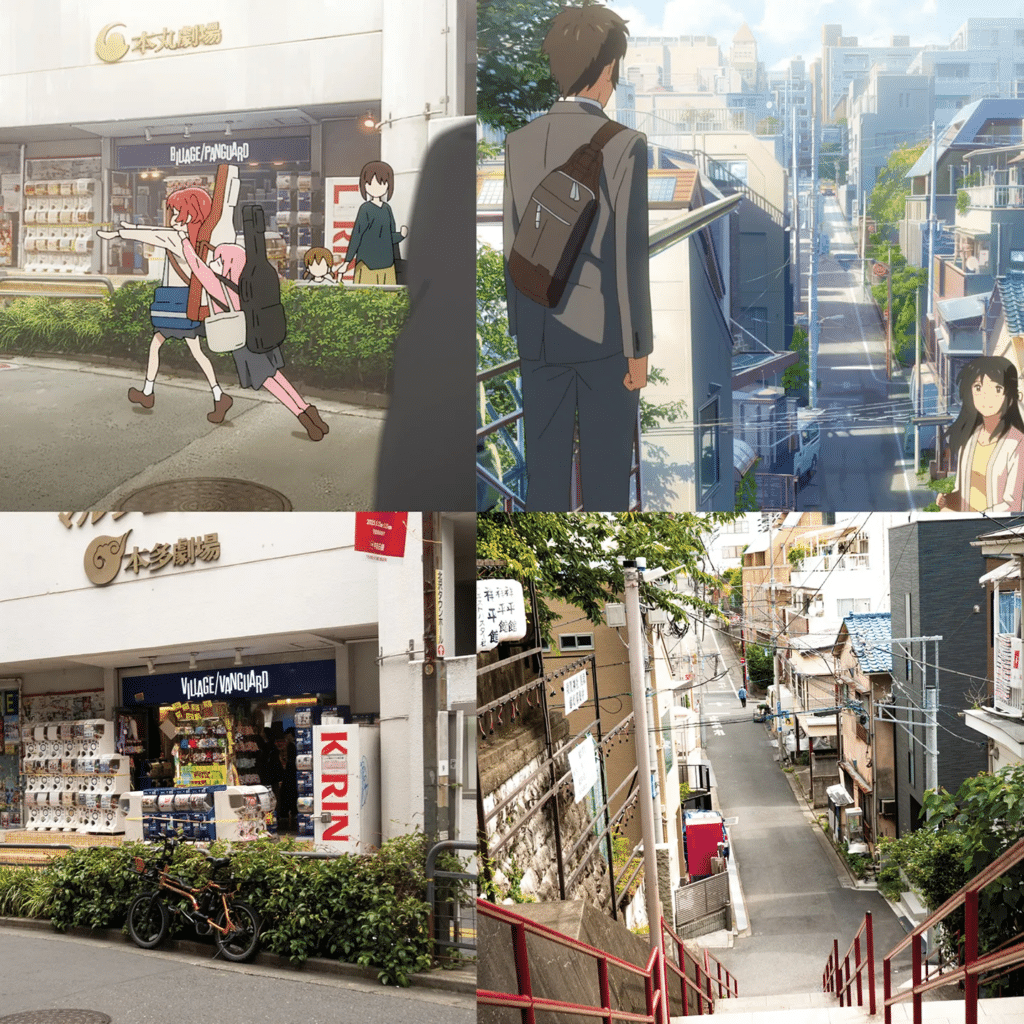
Japan’s major pop-culture shopping districts each have a slightly different character, but all of them put real strain on mobile data through dense crowds, multi-floor stores, and constant price-checking. Planning a japan esim pop culture itinerary around these specific districts, rather than treating them as generic sightseeing stops, makes a real difference in how smoothly the day goes.
Akihabara (Tokyo)
Tokyo’s best-known electronics-and-anime district draws huge crowds, especially on weekends, which can occasionally strain local network capacity during peak hours. A japan esim akihabara setup benefits from a provider with strong multi-carrier access, since even excellent citywide coverage can feel congested when thousands of visitors in a compact area are all checking prices, maps, and store inventories simultaneously.
The district’s multi-floor shops also mean signal can vary noticeably between the ground floor and upper levels of the same building, particularly in older buildings with narrower stairwells rather than open elevators. Testing your connection as you move between floors, rather than assuming consistent signal throughout a single store, helps you plan around any dead spots before they cost you a time-sensitive check. This is especially worth doing during a limited-edition release day, when a brief signal gap on the wrong floor at the wrong moment can be the difference between securing an item and missing out entirely.
Nakano Broadway (Tokyo)
A quieter, more concentrated alternative to Akihabara, Nakano Broadway packs dozens of specialty shops into a multi-floor shopping complex. A japan esim nakano visit often involves navigating between very specific, similarly named shops on different floors, making reliable indoor signal more important than raw speed.
Because Nakano Broadway’s shops are smaller and more specialized than Akihabara’s larger stores, successful hunting often means checking multiple shop social media accounts throughout the day for new arrivals, which adds up in data use even though the physical area covered is relatively compact. Some of the complex’s most sought-after specialty shops post new stock announcements with little advance notice, rewarding travelers who can check updates in real time rather than relying on a single Wi-Fi check before entering the building.
Ikebukuro (Tokyo)
Known for its strong female-fan-oriented shopping and “Otome Road,” Ikebukuro combines large department stores with a dense concentration of specialty shops. A japan esim ikebukuro trip benefits from solid coverage across a wider geographic spread than Akihabara’s more compact core, since Ikebukuro’s otaku-focused areas extend across several blocks.
Ikebukuro’s larger department store format also means more time spent navigating between multiple floors within a single building, similar to Akihabara, but spread across a wider area overall, which makes consistent citywide coverage more valuable than in a single concentrated shopping strip.
Nipponbashi (Osaka)
Osaka’s equivalent to Akihabara, Nipponbashi (also called “Den Den Town”) offers a similar mix of electronics and pop-culture retail with a distinctly different regional flavor. A japan esim nipponbashi visit is worth planning alongside the rest of an Osaka itinerary, since coverage across the wider Kansai region is generally strong but still worth confirming before a dedicated shopping day.
Travelers combining a Tokyo and Osaka pop-culture itinerary in the same trip benefit especially from a single eSIM with strong coverage in both regions, rather than needing to reconfirm signal quality separately for each city’s shopping district.
Event, Con, and Pop-Up Connectivity Considerations
Beyond the shopping districts themselves, otaku travelers often build trips around specific events, and these come with their own connectivity challenges.
Large conventions and expos
Major conventions and expos draw enormous crowds into a single venue, which can genuinely strain local network capacity even with strong baseline coverage. A japan esim comic con strategy should account for this: don’t assume normal city-level speeds inside a packed convention hall, and plan key tasks (like checking a schedule or confirming a meetup location) for moments when the venue is less crowded if possible.
Large event days also tend to combine several data-heavy activities at once — checking a schedule app, navigating a sprawling venue map, messaging friends to coordinate meeting points, and sharing photos throughout the day — which adds up to noticeably more data use than a typical sightseeing day even before factoring in venue congestion.
Pop-up shops and limited releases
Time-sensitive pop-up shops and limited merchandise releases often require checking store social media accounts or official sites in real time to catch restock announcements or queue information. A japan esim event setup with consistently reliable data matters most in exactly these high-stakes, time-sensitive moments, where a slow connection can mean missing a restock entirely.
Some limited releases also involve online lottery or reservation systems that open at a specific time, sometimes with only a narrow window to enter before slots fill. A dependable connection at exactly that moment can matter more than data volume across the rest of the day combined.
Themed cafés and exhibitions
Reservation systems for popular themed cafés and limited-run exhibitions frequently require booking through a mobile app or website at a specific release time, sometimes competing with thousands of other fans for the same slots. Having a fast, dependable connection in exactly that moment can be the difference between securing a reservation and missing out. Popular seasonal cafés in particular can sell out their entire run within minutes of booking opening, making connection speed at that specific moment more important than overall data volume for the day.
eSIM Tips for Merchandise Hunting and Photo Sharing
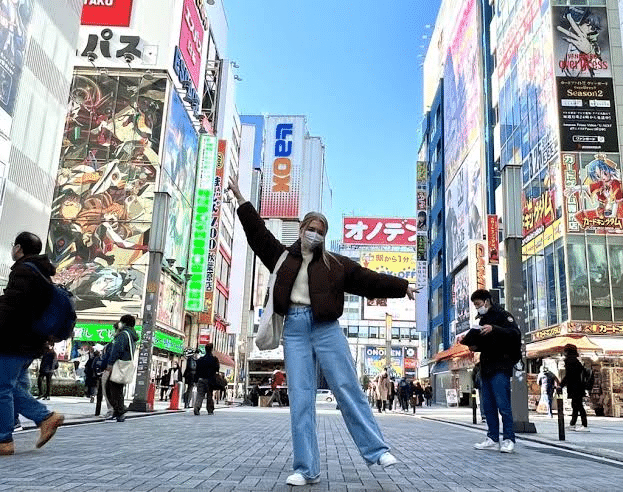
Otaku travel involves a distinctive mix of data-heavy activities that’s worth planning around specifically, since it looks quite different from the browsing patterns of a typical sightseeing-focused trip.
Price-checking and stock verification
Comparing prices across multiple stores, checking online marketplaces for rarity or authenticity, and verifying stock before committing to a purchase all add up throughout a long shopping day. This kind of frequent, on-the-go browsing is a core part of any japan esim goods hunting strategy, and it benefits from a data plan sized for genuinely heavy daily use rather than light occasional browsing.
Serious collectors often check secondary marketplace prices before committing to an in-store purchase, comparing against listings back home to gauge whether a find is genuinely good value. This habit alone can add a meaningful amount of browsing throughout a single shopping day, especially when repeated across dozens of individual items. Verifying authenticity for rarer or older collectibles sometimes means researching a specific item’s known variations or common counterfeits on the spot, which adds another layer of browsing on top of simple price comparison.
Photo and video sharing
Documenting a haul, a con outfit, or a themed café visit for social media often means uploading multiple high-resolution photos or short videos throughout the day. Budgeting extra data specifically for this kind of sharing — rather than assuming your general daily estimate covers it — helps avoid running low right when you’ve found something worth photographing.
Video content in particular — unboxing a haul, showing off a full cosplay outfit, or capturing a brief clip from a con panel — uses considerably more data than still photos, so travelers planning to create video content throughout their trip should budget more generously than a photo-only estimate would suggest.
Staying connected with fellow fans
Coordinating meetups, sharing real-time finds, or arranging group photo sessions with fellow travelers or online friends met in person often relies on messaging apps and location sharing throughout the day. A japan esim fandom community built around real-time coordination benefits from consistent connectivity rather than sporadic Wi-Fi access between shops.
This kind of real-time coordination is especially common at large events, where separated groups often need to reconnect across a sprawling venue using live location sharing rather than trying to guess a meeting point in advance.
Best Carriers for Otaku Hotspots
Japan’s three main carriers all offer strong coverage in major pop-culture districts, though a few practical differences are worth knowing.
- Akihabara and central Tokyo: All three carriers — NTT Docomo, SoftBank, and KDDI/au — offer excellent coverage, though extremely dense crowds on weekends can occasionally slow speeds regardless of carrier.
- Nakano and Ikebukuro: Similarly strong coverage across all three networks, with indoor signal inside multi-floor complexes generally reliable, though it’s worth testing signal strength on lower basement floors of larger buildings.
- Nipponbashi and the Kansai region: Coverage remains strong across all three carriers throughout central Osaka, with the usual signal considerations for indoor shopping complexes.
- Convention centers and expo venues: Large venues sometimes have dedicated network infrastructure to handle high attendee density, though this varies by venue and event, making a multi-carrier eSIM a safer bet than relying on a single network’s performance during peak crowd moments.
A docomo anime traveler setup, a softbank otaku plan, or a kddi otaku japan option all provide comparable coverage across these districts in practice, so the more meaningful decision is choosing a data tier that matches how much browsing, uploading, and price-checking you’ll actually be doing throughout a shopping-heavy trip.
It’s also worth remembering that network performance during weekend crowds can vary noticeably from a quiet weekday visit to the same district. If your schedule allows some flexibility, visiting popular shopping areas on a weekday morning tends to mean both lighter foot traffic and more consistent connectivity, letting you move through price-checking and browsing tasks more quickly than during a packed Saturday afternoon.
Best Japan Sim Data Plans for Otaku Travelers
For esim for otaku japan planning, matching the plan to your itinerary’s shopping and event intensity keeps you covered without overpaying for data you won’t use.
- Focused day trips (Akihabara or Nipponbashi in a single day): A moderate Day Pass or Plan tier, sized for a day of heavy browsing, price-checking, and photo uploads.
- Multi-district shopping trips: A higher Plan tier covering several days across Akihabara, Nakano, and Ikebukuro, or a similar combination in Osaka, given the cumulative data use of repeated heavy shopping days.
- Convention or expo attendance: An Unlimited-tier eSIM for event days specifically, since crowded venues and constant social sharing throughout a multi-day con can consume data quickly.
- Full pop-culture pilgrimage trips: An Unlimited plan covering the whole trip is often the simplest choice for travelers building an entire itinerary around shopping districts, events, and themed attractions, removing the need to track usage across a data-heavy trip.
- Content creators documenting the trip: Travelers planning to post regular video updates, hauls, or vlogs throughout their trip should lean toward Unlimited regardless of overall itinerary intensity, since video content alone can consume more data than an entire day of browsing and messaging combined.
Building a genuine japan otaku data plan around your actual itinerary — rather than a generic tourist estimate — is what keeps connectivity reliable through every shop, con hall, and themed café stop. Japan Sim Data eSIMs run across NTT Docomo, SoftBank, and KDDI/au networks, giving otaku travelers dependable japan otaku connectivity throughout Tokyo’s and Osaka’s major pop-culture districts. This kind of consistent japan tourist connectivity otaku travelers can count on matters most during exactly the moments a trip is built around: a rare find in a crowded shop, a con panel you don’t want to miss updates on, or a group photo with fellow fans that needs sharing before the moment passes.
For general background on Japan’s tourism infrastructure, the Japan National Tourism Organization offers destination planning resources worth reviewing alongside your connectivity setup, particularly useful for coordinating a pop-culture-focused itinerary with the rest of a broader Japan trip.
Frequently Asked Questions
Q1: Is mobile data reliable inside Akihabara’s crowded shops on weekends?
A: Generally yes, though extremely busy weekend crowds can occasionally slow speeds. A multi-carrier eSIM helps reduce the impact of localized congestion on any single network.
Q2: Do I need extra data for attending a convention or expo in Japan?
A: Yes, it’s worth planning for. Large venues combine heavy crowd density with constant social sharing, so an Unlimited-tier eSIM for event days is usually the safer choice.
Q3: Which Japan pop-culture district has the best mobile coverage?
A: Akihabara, Nakano Broadway, Ikebukuro, and Nipponbashi all offer strong coverage across NTT Docomo, SoftBank, and KDDI/au, so the choice mostly comes down to how much data your shopping or event schedule requires.
Q4: How much data do I need for a full day of merchandise hunting?
A: It depends on your habits, but frequent price-checking, stock verification, and photo uploads throughout the day can add up quickly, so a higher-tier or unlimited plan is worth considering for shopping-heavy days.
Q5: Can I use my eSIM to book themed café reservations or event tickets in real time?
A: Yes, a fast and reliable connection is especially useful for time-sensitive bookings, since popular themed cafés and events often fill reservation slots within minutes of opening.
Conclusion
Building the right connectivity setup for a Japan trip centered on anime, manga, and pop culture comes down to understanding where the data-heavy moments actually happen: crowded shopping districts, high-traffic conventions, time-sensitive pop-up releases, and constant photo and video sharing throughout the day. Matching your plan to these specific patterns, rather than a generic tourist estimate, keeps you connected through every shop, panel, and themed café stop.
It’s worth thinking of your itinerary in terms of specific high-stakes moments rather than an average daily estimate. A missed restock notification, a con reservation slot that closes before you can book it, or a group photo opportunity that passes before it uploads are the kinds of moments a pop-culture trip is genuinely built around, and they’re exactly what a well-matched data plan protects against.
Japan Sim Data’s Day Pass, Plan, and Unlimited eSIM options across Docomo, SoftBank, and KDDI/au networks are built to support exactly this kind of pop-culture-focused travel, whether it’s a single focused day in Akihabara or a full multi-city pilgrimage across Tokyo and Osaka’s best-known otaku districts. Whatever your itinerary looks like, matching your plan to your actual shopping and event schedule is what keeps your connection dependable for every find worth documenting.
Before you head out, take a few minutes to map your planned districts and events against your expected data needs — a small step that keeps you connected for every meetup, restock, and photo op along the way.