
eSIM for Setouchi and the Seto Inland Sea: Coverage on Japan’s Art Islands
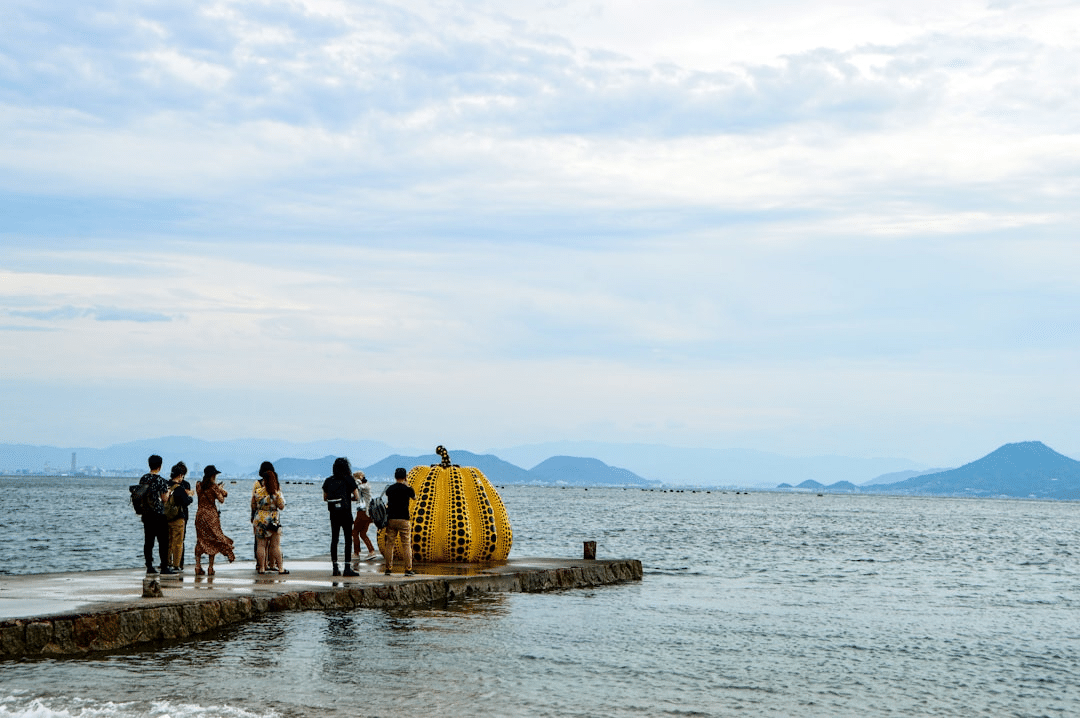
The Seto Inland Sea is Japan’s Mediterranean — a sheltered, island-dotted body of water between Honshu, Shikoku, and Kyushu that has shaped Japanese culture, economy, and aesthetics for millennia. The fishing villages, salt-farming communities, and citrus-cultivating slopes that line its shores and islands represent a rural Japan of extraordinary visual character. And since the early 2000s, the Setouchi region has undergone a remarkable cultural transformation: the Benesse Art Site on Naoshima has become one of the world’s most significant intersections of contemporary art and natural landscape, inspiring the Setouchi Triennale’s island art festival that now draws hundreds of thousands of international visitors every three years.
The setouchi esim question is one of Japan’s most nuanced regional connectivity planning exercises — not because coverage is poor, but because the island-hopping, ferry-crossing, slow-travel nature of the Setouchi experience creates a connectivity pattern unlike any other Japan destination. Travelers move between islands on multiple ferry operators, with each island having its own network infrastructure and coverage profile. The crossing between islands is a connectivity transition. The art house experience on Inujima or Teshima may be in a building with limited indoor signal. And the deliberate slowness of Setouchi travel — the overnight stay on Naoshima to experience the museums at closing time and dawn — creates different data usage patterns than Tokyo day tripping.
This guide covers every dimension of Setouchi connectivity: island-by-island coverage, ferry crossing realities, Setouchi Triennale visitor considerations, and Japan Sim Data plan recommendations for the slow-travel experience that makes the Seto Inland Sea one of Japan’s most distinctive destinations.
Setouchi as Japan’s Rising Slow-Travel Region
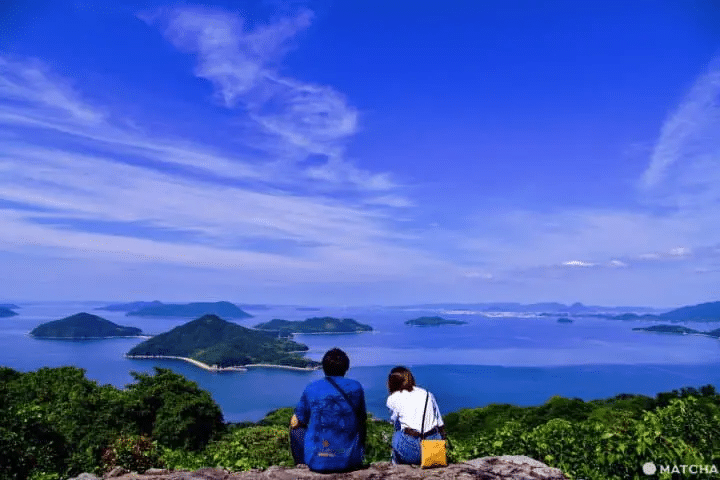
The Setouchi region’s transformation from rural backwater to global art destination is one of Japan’s most interesting contemporary tourism stories. Soichiro Fukutake’s vision for Naoshima — beginning with the Benesse House museum in 1992 and culminating in Tadao Ando’s subterranean Chichu Art Museum in 2004 — created a template for placing world-class art in rural Japanese landscapes that has since expanded to Teshima, Inujima, and the island network of the Setouchi Triennale.
The japan esim slow travel applicability to Setouchi is genuine: the traveler who spends three days island-hopping between Naoshima, Teshima, and Inujima, taking local ferries between small ports, walking between art installations in converted fishing warehouses, and sleeping in a ryokan with sea views is having a Japan experience that is structurally different from urban sightseeing, with connectivity needs that reflect this different pace and context.
Mobile Coverage Across the Seto Inland Sea
The Island Coverage Architecture
Coverage across the Seto Inland Sea islands follows a consistent logic: islands with higher populations, tourism development, and year-round visitors have better telecommunications infrastructure; smaller, less-visited islands have coverage limited to the areas where people actually live and gather.
docomo setouchi provides the most comprehensive coverage across the inhabited island network — consistent with Docomo’s national rural and island coverage advantage. softbank setouchi and kddi setouchi both provide coverage on the larger, more developed islands (Naoshima, Shodoshima) and in the mainland port cities (Takamatsu, Uno, Onomichi), with less consistent coverage on smaller islands and in the rural areas between ferry ports and art venues.
Mainland Port City Coverage
The mainland departure points for Setouchi island ferries — Takamatsu in Kagawa, Uno Port in Okayama, and Onomichi in Hiroshima — are all within urban or peri-urban coverage zones where all three carriers perform adequately. The connectivity planning exercise is primarily about what happens on the islands and during the ferry crossings.
eSIM Tips for Naoshima, Teshima, Inujima, and Shodoshima
Naoshima eSIM
esim for naoshima is the most frequently researched Setouchi island connectivity question, given Naoshima’s status as the region’s primary destination and the logistical hub for multi-island itineraries.
Coverage Profile: Docomo provides the most reliable coverage across Naoshima’s visitor circuit. The Benesse House museum area and Chichu Art Museum are within Docomo’s coverage zone — adequate for messaging, navigation between museum sites, and the light social sharing that characterizes the contemplative Naoshima experience. SoftBank and KDDI provide coverage in the main port (Miyanoura) and Honmura village areas but have less reliable coverage in the more remote museum approaches.
Art House Project Navigation: The Art House Project’s installations are scattered through Honmura village’s narrow lanes — navigation between the seven art houses benefits from Google Maps on a reliable data connection. Docomo is the most reliable carrier for this in-village navigation.
Chichu Art Museum: The subterranean Chichu Art Museum — one of the world’s great experiences of art and architecture — is mostly underground, where signal penetration is limited regardless of carrier. This is appropriate: the Chichu experience rewards full attention to the Monet Water Lilies room, the James Turrell light installations, and the Walter De Maria room without phone screen distraction.
Teshima Mobile Data
teshima mobile data planning covers one of the Setouchi’s most extraordinary islands — where the Teshima Art Museum (a concrete shell designed by Ryue Nishizawa with water droplets on the floor as the art) and the Teshima Yokoo House sit in a landscape of terraced rice paddies, fishing harbor views, and an extraordinary quietude.
Coverage on Teshima is primarily Docomo in the main settlement areas and ferry terminals. The Teshima Art Museum and Yokoo House — both in the relatively small cultural zone near the Karato port — have Docomo coverage adequate for navigation and messaging. The hillside terraced rice paddy agricultural area between the southern Ieura port and the northern Karato port has variable coverage depending on position relative to the island’s coverage infrastructure.
The Teshima experience is one where connectivity serves practical navigation functions — finding the bicycle rental, confirming the return ferry time, locating the art venues — rather than intensive social sharing. Data consumption on Teshima is typically modest, and the contemplative quality of the art and landscape naturally reduces phone engagement.
Inujima
Inujima — the smallest of the main Setouchi art islands, a 15-minute ferry ride from Hoden on Okayama’s coast — is dominated by the extraordinary Inujima Seirensho Art Museum, which incorporates the ruins of a copper refinery within a contemporary art installation exploring Mishima Yukio and Japanese modernity.
Coverage on Inujima is limited — Docomo provides the most reliable signal available, concentrated in the port and main settlement area. The Inujima Seirensho Art Museum environs have partial Docomo coverage. The Art House Project installations scattered through the island’s village have variable connectivity.
Inujima is the Setouchi island where the offline experience is most complete and most appropriate — the art is designed to be experienced in solitude and silence, and the island’s minimal population and development mean that network infrastructure reflects this character.
Shodoshima eSIM
shodoshima esim planning covers the Seto Inland Sea’s second-largest island — a substantially larger destination than the art islands, with a full tourism infrastructure of hotels, restaurants, and multiple distinct attractions: the Kankakei Gorge ropeway (whose autumn foliage rivals the Kyoto standard), the olive groves that have made Shodoshima famous as “the Aegean of Japan,” the Marukin Soy Sauce Museum, and the location tourism for the 1954 film “Twenty-Four Eyes.”
Coverage on Shodoshima is significantly better than on the smaller art islands, reflecting the island’s population and tourism development. Docomo covers the main tourist circuit — the port areas (Tonosho, Ikeda, Kusakabe), the olive park, the Kankakei ropeway, and the main coastal road — with adequate coverage for navigation and social sharing throughout most of the island circuit.
Ferry Travel and Offshore Connectivity

japan esim ferry Coverage Reality
The ferry crossings between Setouchi islands are a distinctive connectivity environment — on the water, between islands, in a state of pleasant transit that is itself part of the Setouchi experience.
Coverage during Setouchi ferry crossings is most reliable with Docomo, and varies by:
Crossing duration: Short crossings (Uno to Naoshima: 20 minutes; Miyanoura to Takamatsu: 60 minutes) generally maintain coverage for most of the journey. Longer crossings or those between more remote islands may have coverage gaps in the middle sections.
Vessel position relative to towers: Coverage is typically strongest near departure and arrival ports, weaker in the middle of wider crossings.
Season and atmospheric conditions: Clear weather can extend signal range; heavy weather or low visibility can reduce effective coverage area.
Practical ferry connectivity: For the Setouchi island hopper, ferry crossings are one of the experience’s pleasures — the island silhouettes on the water, the fishing boats, the Seto Ohashi Bridge appearing through the haze. Using Docomo for coverage during ferry crossings provides the most reliable connectivity for the practical functions (confirming the arrival schedule, checking museum hours, messaging travel companions) while the visual experience unfolds.
Ferry Schedule Navigation
Japan ferry schedules in the Setouchi region can be complex — multiple operators, different schedules by season, and the occasional capacity limitations of smaller island services. The apps and websites for Setouchi ferry booking (Jumbo Ferry, Shodo Kisen, and the Naoshima Benesse House’s ferry information) require data for real-time schedule access. Having a Japan Sim Data eSIM active during transit planning is practically important — missing a ferry to a small island can mean a several-hour wait for the next service.
Setouchi Triennale Visitor Considerations
The triennale connectivity experience differs from standard Setouchi travel in one specific way: visitor volume during Triennale seasons (typically spring, summer, and autumn sessions in Triennale years) is dramatically higher than in non-Triennale years.
Peak Season Network Considerations
During Setouchi Triennale seasons, the art islands that normally receive modest visitor numbers see significant crowd increases. The network infrastructure on smaller islands — sized for their normal low visitor volume — can experience congestion during Triennale peak days.
The practical experience: messaging and navigation function reliably even during peak Triennale congestion. High-quality photo uploads and video sharing may be slower on congested island networks during peak midday hours. Timing large uploads for morning or evening periods, or using ferry travel time for uploading (when away from the crowd concentration), optimizes the experience.
Advance Reservation and Data Dependency
Setouchi Triennale visits benefit from advance planning — some island venues and ferry services have limited capacity that fills during peak periods. Accessing reservation systems, checking availability, and confirming bookings requires reliable data access during the planning phase. Japan Sim Data’s eSIM provides the connectivity for this planning even before leaving the mainland departure points.
Recommended Japan Sim Data Plans for Setouchi Trips
For Naoshima and Teshima Only
The setouchi tourist sim for travelers focusing exclusively on Naoshima and Teshima — the most developed art island experience with best coverage — is straightforward: Docomo, 10GB, covering two to three days of island navigation, museum hopping, and moderate social sharing. Data consumption on the art islands is typically light — the contemplative pace reduces phone engagement naturally.
For Multi-Island Setouchi Itineraries
The setouchi itinerary esim covering Naoshima, Teshima, Inujima, and Shodoshima over five to seven days should specify Docomo for the broadest island coverage, with plan sizing toward 15GB for the combination of ferry navigation, art venue research, and the social sharing that Setouchi’s extraordinary visual landscape inevitably inspires.
For Setouchi Triennale Visits
During Triennale seasons, slightly more generous plan sizing (15–20GB) accommodates the increased social documentation that the concentrated art festival experience generates, alongside the reservation and scheduling data usage that Triennale planning requires.
For Extended Setouchi Slow Travel
The japan esim slow travel visitor spending a week or more exploring the full Setouchi island network — from the eastern islands near Takamatsu to the western islands near Onomichi, with extended stays at specific islands and the ferry-hopping pace that rewards the slowest travelers — should consider Docomo unlimited for the peace of mind that eliminates data management during an extended island journey.
Network Recommendation
The setouchi region esim network recommendation is consistent across all itinerary types: Docomo provides the most comprehensive island coverage in the Seto Inland Sea. For the setouchi data plan question, the choice between fixed data and unlimited depends on itinerary length and social sharing intensity rather than coverage concerns.
According to the Japan National Tourism Organization (JNTO), the Setouchi region has become one of Japan’s fastest-growing international visitor destinations, with the Setouchi Triennale cited as one of Asia’s most significant contemporary art tourism events. The GSMA identifies island tourism as a growing eSIM use case, with connectivity reliability during ferry crossings and on remote islands identified as primary traveler concerns.
Conclusion: Setouchi’s Slow Travel Deserves Reliable Island Coverage
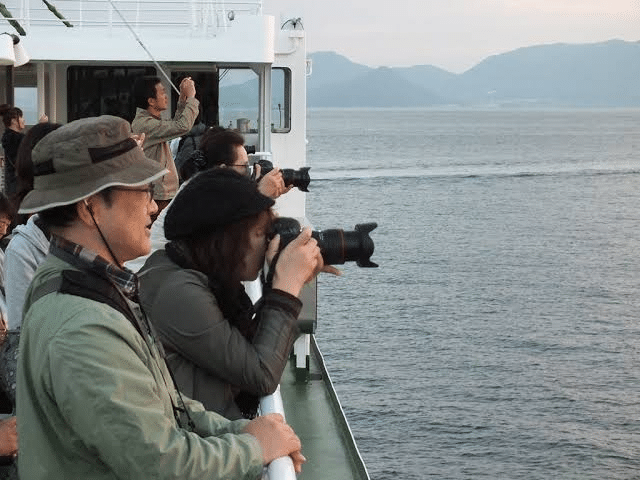
The Setouchi experience — island by island, ferry by ferry, art house by converted fishing warehouse, sea view by sea view — is one of Japan’s most distinctive and rewarding travel formats. Connectivity that works reliably across this archipelago experience, from the Takamatsu ferry terminal to the Chichu Art Museum’s subterranean light rooms to the Teshima Art Museum’s water-droplet floor, provides the practical support that makes the slow travel experience possible: navigation between venues, ferry schedule management, and the occasional share of the extraordinary images this landscape produces.
Docomo-network eSIM from Japan Sim Data is the island hopper’s choice for Setouchi — providing the broadest coverage across the art island circuit, the most reliable ferry crossing connectivity, and the peace of mind that makes the deliberate, unhurried pace of Setouchi slow travel entirely supportable by the connectivity infrastructure underneath it.
Japan Sim Data’s Docomo-network eSIM plans for Setouchi and the Seto Inland Sea are available at wordpress-1493298-6069223.cloudwaysapps.com — install before departure, activate at Takamatsu or Uno Port, and navigate Japan’s most contemplative travel region with connectivity that works where it matters.
Frequently Asked Questions
Q1: Which carrier has the best coverage on Naoshima?
A: Docomo provides the most reliable coverage across Naoshima’s visitor circuit — including the Benesse House area, Honmura village’s Art House Project, and the approach to the Chichu Art Museum. SoftBank and KDDI cover the main port area but have less consistent coverage in the museum and art venue zones.
Q2: Is there connectivity during Seto Inland Sea ferry crossings?
A: Yes, with Docomo providing the most reliable coverage. Short crossings (Uno to Naoshima at 20 minutes, Miyanoura to Takamatsu at 60 minutes) generally maintain coverage for most of the journey. Coverage is strongest near the departure and arrival ports; mid-crossing sections on longer routes can be more variable.
Q3: What data plan is recommended for a five-day Setouchi art island trip?
A: Docomo with 15GB covers the typical five-day Setouchi itinerary of Naoshima, Teshima, and Shodoshima comfortably — covering ferry schedule navigation, art venue research, and moderate social sharing. The contemplative pace of Setouchi naturally reduces data consumption compared to city tourism.
Q4: Does mobile coverage work during the Setouchi Triennale?
A: Yes, though peak Triennale days see increased network load on small island infrastructure. Navigation and messaging function reliably; high-quality uploads may be slower during peak midday crowd concentrations. Timing uploads for morning, evening, or ferry transit periods optimizes the experience.
Q5: Can I navigate between Setouchi art venues without WiFi using eSIM?
A: Yes. Docomo coverage across Naoshima, Teshima, and Shodoshima’s main visitor areas supports Google Maps navigation between art venues reliably. Download offline map tiles for each island before crossing from the mainland as a backup for the variable coverage areas between main visitor zones.