eSIM for Japan Typhoon Season: Staying Connected in Emergencies
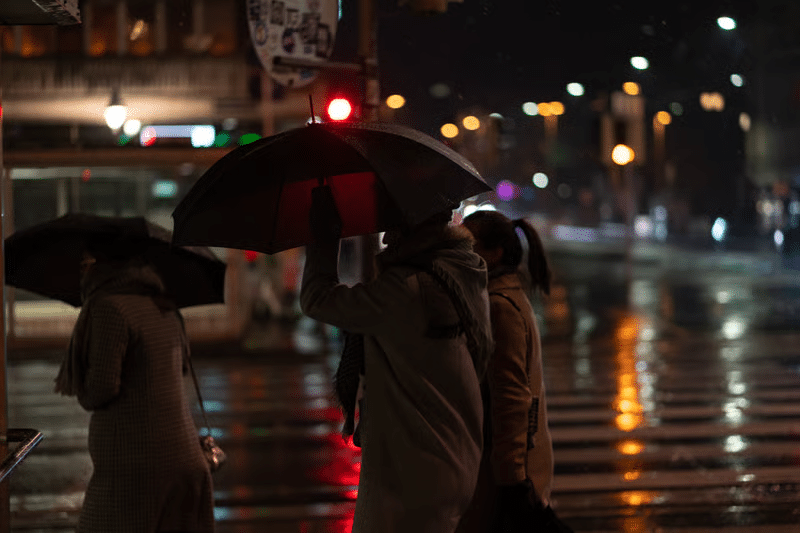
Japan’s typhoon season runs from June through October, with the most active period concentrated in August and September. Typhoons — tropical cyclones that develop in the northwestern Pacific and track northward through the Philippine Sea toward Japan — are a normal and recurring feature of Japanese life, and Japan has developed extraordinary infrastructure for managing them: early warning systems, structured evacuation protocols, transportation shutdown procedures that prioritize safety over schedule, and a public communication apparatus that keeps residents and visitors informed throughout a storm’s approach and passage.
For international travelers, a typhoon encounter in Japan is rarely the dramatic emergency that the word “typhoon” might suggest to someone unfamiliar with Japan’s preparedness. It is, more commonly, a significant disruption — flights cancelled, Shinkansen suspended, outdoor attractions closed, and an unexpected extension to a Japan stay while the storm passes and services resume. Managing that disruption effectively, from information gathering through rebooking and alternative planning, depends almost entirely on mobile data connectivity.
The japan typhoon season esim question is therefore less about network survival during a typhoon (Japan’s networks are hardened for severe weather) and more about ensuring the connectivity that makes disruption management possible: real-time weather information, flight and train rebooking, translation assistance for Japanese-language emergency communications, and the accommodation flexibility that extended weather stays require.
Typhoon Season Traveler Realities
What Typhoon Season Actually Means for Japan Travel
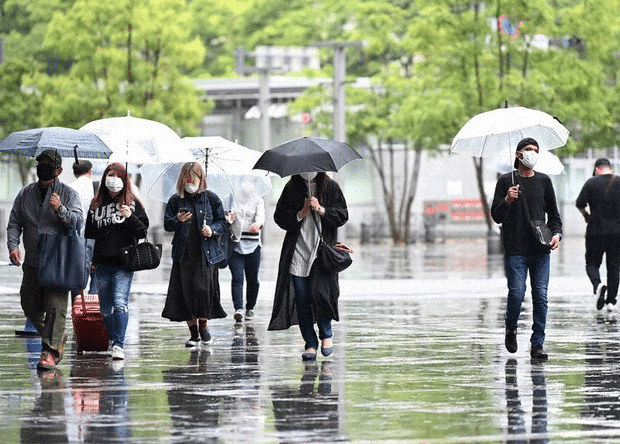
japan september esim and japan august esim planning should incorporate an honest understanding of what typhoon season travel involves. The majority of typhoon season travelers complete their Japan trips without encountering a significant typhoon — most storms track in patterns that miss the main populated areas, or weaken significantly before landfall, or pass through quickly enough that disruption is measured in hours rather than days.
However, the travelers who do encounter a direct typhoon impact — and in any given August-September period, some will — face disruption that without adequate connectivity preparation becomes genuinely stressful and in some cases hazardous.
The two categories of typhoon traveler experience:
Category 1 — The Pass-Through: A typhoon moves through your Japan location over 12–24 hours. Strong wind and rain require staying indoors; attractions are closed; outdoor activities are impossible. With reliable connectivity for weather tracking, food delivery, entertainment, and communication with concerned family, this is an inconvenient day or two at accommodation. Without connectivity, it is genuinely disorienting.
Category 2 — The Extended Disruption: A major typhoon grounds all flights from a Tokyo or Osaka airport for 24–48 hours and suspends Shinkansen services. Thousands of travelers simultaneously attempt to rebook, find accommodation, and contact airlines. Connectivity in this scenario is not a convenience — it is the operational infrastructure through which the disruption is managed.
How Japan’s Networks Handle Severe Weather
Network Resilience in Typhoon Conditions
Japan’s mobile networks are engineered with typhoon resilience as a design requirement, not an afterthought. Japan’s carriers — particularly Docomo, with its national coverage mandate — maintain network operations through severe weather events that would disable less-hardened telecommunications infrastructure.
The resilience architecture includes: battery backup systems at base stations that maintain operation during power outages, redundant fiber connections that allow traffic rerouting around damaged sections, and mobile command vehicles that can be deployed to restore coverage in areas where fixed infrastructure is damaged.
The practical implication for japan emergency esim travelers: in almost all typhoon scenarios short of a catastrophic direct hit on an urban center, Japan’s mobile networks continue operating throughout the storm. Signal quality may reduce during the heaviest rain and wind conditions — electromagnetic interference from precipitation and high wind can degrade signal at the edges of coverage zones — but network operation is maintained.
docomo emergency network infrastructure in Japan has the most extensive backup systems, reflecting Docomo’s national carrier responsibilities. softbank typhoon and kddi typhoon japan network resilience is also strong in urban areas.
Where Coverage Can Degrade During Typhoons
Coverage reduction during typhoon conditions is most likely in:
- Rural areas at the edge of normal coverage zones, where storm conditions push marginal signal below functional thresholds
- Coastal and island areas where infrastructure exposure is highest
- Mountainous terrain where storm-driven precipitation is most intense
For travelers in central urban Japan (Tokyo, Osaka, Kyoto) during a typhoon, connectivity disruption from the weather itself is unlikely. For travelers in Okinawa, coastal rural areas, or island destinations during a direct typhoon passage, temporary coverage degradation is possible.
Emergency Alerts, JMA App, and Translation
Japan’s Emergency Alert System
Japan’s Emergency Warning System (緊急速報 — Kinkyū Sokuho) broadcasts high-priority alerts directly to mobile phones in affected areas — typhoon warnings, flood alerts, earthquake early warnings, and evacuation advisories. These alerts are pushed to all mobile phones on Japanese networks regardless of carrier, and they arrive as high-priority notifications with a distinctive loud alarm sound.
For international travelers with Japan Sim Data eSIMs active on Japanese carrier networks, these emergency alerts are received automatically. This is a meaningful safety advantage: the traveler on a foreign carrier roaming arrangement may or may not receive these alerts depending on the roaming configuration; the traveler with a direct Japanese network eSIM receives them as any Japanese resident would.
Japan Meteorological Agency (JMA) App
japan esim jma connectivity covers one of the most important weather apps available to Japan travelers: the Japan Meteorological Agency’s official app provides the authoritative typhoon track forecasts, rainfall intensity maps, and regional weather warnings that Japan uses as its primary severe weather reference.
JMA’s typhoon tracking information — updated every three hours during active typhoon watch periods, and more frequently when a typhoon is approaching landfall — is the information that Japanese media, transportation operators, and government agencies use to make service decisions. A traveler monitoring JMA’s typhoon track in real time has the same information that Japan’s rail operators use to decide whether to suspend Shinkansen services.
Key JMA resources requiring data access:
- JMA Weather App — real-time weather maps, typhoon track forecasts, rainfall predictions
- JMA website (jma.go.jp) — detailed typhoon information in English
- Weather News and tenki.jp — Japan’s most popular commercial weather services with excellent typhoon coverage
Translation for Japanese Emergency Communications
japan esim severe weather translation needs are significant because many of Japan’s detailed emergency communications — municipal evacuation advisories, NHK emergency broadcasts, hotel and accommodation emergency notices — are primarily in Japanese. The typhoon traveler who cannot read Japanese emergency information is dependent on either finding an English speaker or using Google Translate in real time.
Google Translate’s camera function — pointing the phone at a Japanese-language typhoon advisory or evacuation notice and receiving an immediate translation — is a genuine safety tool in severe weather scenarios. This function requires data connectivity, reinforcing the importance of an active Japan Sim Data eSIM during typhoon season travel.
NHK World, Japan’s English-language international broadcasting service, provides English-language typhoon and severe weather coverage and is accessible as an app requiring data connection.
Rebooking, Flight, and Train Updates

The Rebooking Data Emergency
japan esim rebooking is the connectivity use case where typhoon season eSIM value is most directly financial as well as operational. When a typhoon grounds flights or suspends rail services, the traveler who can immediately access airline apps, JR booking systems, and accommodation platforms is positioned to secure limited availability before it disappears.
Typhoon cancellations at Tokyo’s Narita and Haneda airports can affect hundreds of flights simultaneously, with hundreds of thousands of passengers simultaneously attempting to rebook. The traveler with reliable eSIM data access and pre-installed airline apps is minutes ahead of those attempting to navigate airport WiFi congestion or reach airline telephone queues.
Pre-install before typhoon season travel:
- Your airline’s app with booking reference saved
- JR East/JR West/JR Kyushu apps for rail rebooking
- Hotel/accommodation booking platform apps
- Japan Rail Pass redemption app if applicable
Real-Time Service Status
mobile data typhoon japan service status monitoring requires continuous access to:
- JR East/West/Central apps — Shinkansen suspension and resumption announcements
- Google Maps — real-time transit service status
- Hyperdia/Navitime — alternative routing when primary services are suspended
- Airport official apps — flight status and rebooking queue information
The traveler who monitors these platforms from accommodation before attempting to reach a transport hub avoids the scenario of arriving at a closed Shinkansen gate or a suspended airport train with no information about alternatives.
eSIM Tips for Extended Stays Due to Disruption
When Your Japan Trip Extends Unexpectedly
emergency connectivity japan for extended typhoon stays involves data use patterns that normal Japan tourism doesn’t require:
Accommodation renegotiation: Contacting your accommodation about extended stay, or finding alternative accommodation when your original booking requires departure during the typhoon, requires booking platform data access.
Travel insurance communication: Most travel insurance typhoon claims require documentation in real time — photographs of closed airport notices, written records of cancelled flight notifications, and communication with the insurance company that all requires data connectivity.
Family communication: Concerned family who have seen typhoon news coverage need reassurance from travelers in Japan. Regular messaging through WhatsApp, LINE, or WeChat — all requiring data — is the communication channel that prevents unnecessary worry.
Productivity during delays: For business travelers or digital nomads facing extended stays, working remotely during a typhoon delay requires the same video call and document access as normal remote work — data dependent and best served by unlimited plans.
Data Plan Management During Extended Disruption
The typhoon data plan consideration for travelers on fixed data plans: extended disruption periods consume data at higher-than-normal rates due to continuous weather monitoring, rebooking searches, and the entertainment consumption that replaces outdoor activity during a storm day. Travelers on 10–15GB plans who encounter a significant typhoon disruption may find their data consumption elevated by 3–5GB above the normal pace.
Best Japan Sim Data Plans for Weather Resilience
Network Recommendation
For japan typhoon itinerary esim planning: Docomo is the network recommendation for typhoon season travel, particularly for itineraries that include Okinawa, coastal areas, or rural destinations where storm-related coverage degradation is most likely. Docomo’s network resilience infrastructure and rural coverage breadth provide the most consistent connectivity across the full range of typhoon season travel scenarios.
For Tokyo and Osaka-concentrated travel, all three carriers provide equivalent typhoon season resilience in urban environments.
Plan Sizing for Typhoon Season
Standard typhoon season visit (1 week): 15–20GB provides comfortable coverage for the combination of normal Japan tourism data use plus the elevated emergency monitoring, rebooking, and communication data consumption that a typhoon encounter generates. The incremental data consumption of a single typhoon disruption day is typically 3–5GB above normal — a 15GB plan sized for 10GB of normal tourism use has reasonable buffer.
Extended Japan summer stay (2+ weeks): Unlimited on Docomo eliminates the data management anxiety that a typhoon encounter during an extended stay would otherwise create. The peace of mind of unlimited data during severe weather events is worth the modest premium over fixed data plans for summer-season travelers.
Okinawa and island destination travel (August-September): Docomo unlimited is the specific recommendation for travelers in Japan’s typhoon-path-adjacent destinations during peak season. Okinawa’s position in the primary typhoon approach corridor means that August-September Okinawa travelers have a meaningfully higher probability of typhoon encounter than mainland Japan travelers, and the combination of island coverage considerations and extended disruption risk makes unlimited Docomo the appropriate specification.
According to the Japan National Tourism Organization (JNTO), Japan’s late summer and early autumn travel period remains popular despite typhoon season, with travelers advised to monitor JMA forecasts and purchase appropriate travel insurance. The GSMA identifies emergency connectivity as one of the most critical eSIM use cases in severe weather-prone destinations, with Japan cited as a global best-practice example of network typhoon resilience.
Conclusion: Typhoon Season Japan Rewards Connectivity Preparation
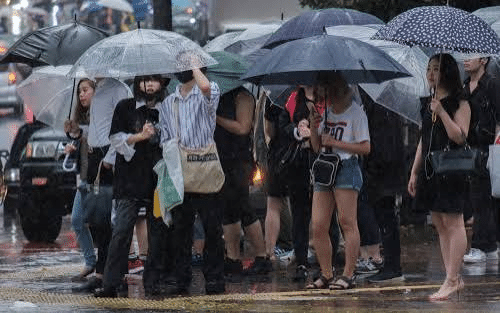
Japan handles typhoons with the same systematic competence it brings to everything — the warnings are accurate and timely, the transportation shutdowns are precautionary and well-communicated, the emergency infrastructure is among the world’s best, and the Japanese population’s calm, orderly approach to severe weather creates an environment where even significant storms are managed safely.
The international traveler’s role is simply to be informed — and being informed during typhoon season requires reliable data connectivity throughout. The japan typhoon season esim conclusion is clear: Docomo-network Japan Sim Data plans, sized generously enough to accommodate the elevated data consumption of disruption management, provide the connectivity foundation that makes typhoon season Japan travel safely navigable.
Monitor JMA. Pre-install your rebooking apps. Keep your phone charged. And trust that Japan’s extraordinary preparedness — combined with reliable eSIM connectivity — makes typhoon season travel manageable for the traveler who has prepared correctly.
Japan Sim Data’s Docomo-network eSIM plans for typhoon season travel are available at wordpress-1493298-6069223.cloudwaysapps.com.
Frequently Asked Questions
Q1: Do Japan’s mobile networks continue working during a typhoon?
A: Yes, in almost all scenarios. Japan’s carriers — particularly Docomo — engineer their networks with severe weather resilience including battery backup, redundant connections, and storm-hardened infrastructure. Connectivity may reduce slightly in rural coastal areas during the most intense conditions, but network operation is maintained throughout the vast majority of typhoon events.
Q2: Will I receive Japan’s emergency alerts on a Japan eSIM?
A: Yes. Japan’s Emergency Warning System alerts (for typhoons, floods, earthquakes) are pushed directly to all mobile phones active on Japanese carrier networks. A Japan Sim Data eSIM on Docomo, SoftBank, or KDDI receives these alerts automatically — an important safety advantage over foreign carrier roaming arrangements that may not reliably deliver them.
Q3: What apps should I pre-install for typhoon season travel in Japan?
A: Essential pre-installs: JMA Weather app (official typhoon tracking), NHK World (English emergency broadcasting), your airline’s app with booking reference, JR rail rebooking apps, accommodation booking platform, Google Translate with Japanese offline pack. All require data for real-time use during disruption.
Q4: How much extra data does a typhoon disruption day consume?
A: A typhoon disruption day — spent monitoring weather, attempting rebooking, communicating with family, and consuming indoor entertainment — typically uses 3–5GB above normal tourism data consumption. Fixed data plan travelers should ensure adequate buffer above their normal daily consumption estimate; unlimited plans eliminate this concern entirely.
Q5: Is Docomo better than other carriers specifically for typhoon season travel?
A: Docomo’s network resilience infrastructure is the most extensive of the three carriers, reflecting its national carrier status and coverage mandate. For urban Japan during typhoon season, all three carriers perform equivalently. For coastal, island, and rural destinations — where storm-related coverage degradation is most likely — Docomo’s infrastructure depth provides the most reliable connectivity throughout severe weather events.