
eSIM for Japan New Year (Shogatsu): Connectivity for Year-End Travelers

Japan’s New Year — shogatsu (正月) — is the country’s most significant annual transition. Where Golden Week is Japan’s great travel surge and sakura season its most photographed moment, shogatsu is something deeper: the ritual reset of Japanese society, conducted through centuries-old traditions that transform the country’s atmosphere, empty its cities of residents who return to family hometowns, and fill its shrines with millions of worshippers seeking good fortune for the year ahead.
For international travelers, Japan during shogatsu offers a paradox. The country becomes simultaneously quieter and more intensely itself — the neon-lit shopping districts of Shibuya and Shinjuku are subdued by closures and reduced hours; the train stations that are normally engines of commercial movement become transit corridors for family returns; and then, at the stroke of midnight on December 31st and through the first three days of January, Japan’s shrines and temples receive the largest visitor concentrations of the entire year as hatsumode — the first shrine or temple visit of the New Year — draws millions of people in a shared ritual of hope and gratitude.
The japan new year esim question requires understanding this dual character of shogatsu: the quiet closure period that makes urban Japan feel different from any other time, and the extraordinary shrine visit surge that creates the most concentrated crowd connectivity challenges of the Japanese calendar.
How Japan Changes During Shogatsu

The Closure Reality
The December-January window in Japan is unlike any other period in how it affects traveler logistics. The typical Japan traveler’s infrastructure — convenience store meals supplemented by restaurant dining, casual shopping between sites, the reliable availability of everything the traveler needs at any hour — does not fully apply during shogatsu.
Japanese businesses observe the year-end and New Year holiday period with varying intensity: many restaurants close from December 29 to January 3; department stores and shopping facilities close on January 1 and often January 2; even some convenience stores reduce their hours, though the 24-hour kombini culture means 7-Eleven, FamilyMart, and Lawson remain the traveler’s most reliable resource during the holiday.
This closure pattern makes connectivity more important, not less, during shogatsu. The traveler who cannot easily find an open restaurant needs Google Maps and Tabelog to locate the minority that are operating. The visitor navigating to a shrine for hatsumode in a neighborhood they don’t know needs real-time navigation. The December traveler who discovers that the museum they planned to visit is closed for the holiday period needs data access to find an alternative.
Business Closures and Data Dependency
The hatsumode mobile data requirement connects directly to the closure-period reality: when the physical urban infrastructure that normally guides tourism (signage, open restaurants, available staff) is reduced, digital infrastructure carries more of the navigational and planning load. Japan New Year travelers who have relied on their accommodation’s proximity to active urban life find that shogatsu removes some of that ambient orientation, making personal data connectivity more foundational than during other seasons.
Best Areas to Visit for New Year Travelers
Shrine and Temple Cities
The new year japan data plan visitor experience is dominated by shrine and temple culture — shogatsu makes Japan’s religious sites more accessible to the first-time visitor precisely because hatsumode is so embedded in Japanese social practice that even secular Japanese people participate. The three-day hatsumode period (January 1–3) brings an estimated 100 million shrine visits across Japan.
Tokyo’s Major Hatsumode Sites: Meiji Jingu in Harajuku receives approximately three million visitors over the three hatsumode days — Japan’s highest hatsumode attendance. Naritasan Shinshoji Temple in Chiba and Kawasaki Daishi in Kanagawa complete the top Tokyo-area hatsumode destinations, each receiving millions of visitors.
Kyoto’s Fushimi Inari Taisha: One of Japan’s most visited shrines year-round becomes the focal point of Kyoto’s New Year — midnight approaches and the first hours of January 1 see the approach path lined with visitors making their hatsumode.
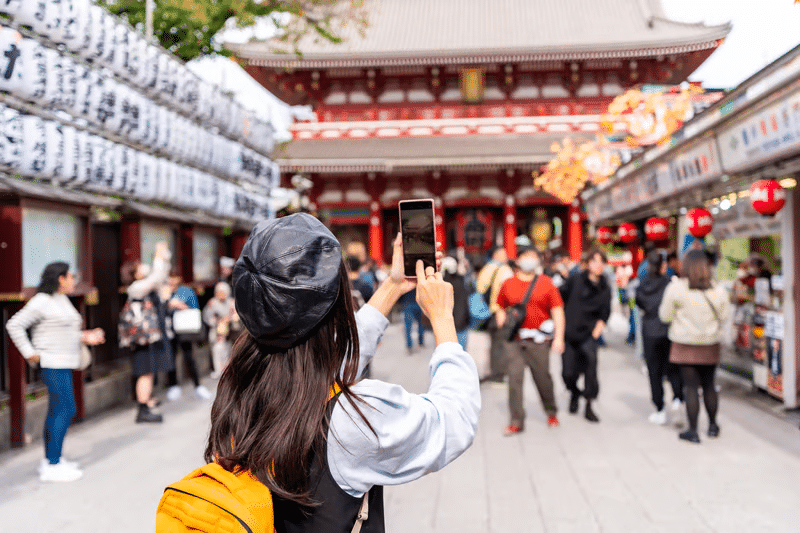
Asakusa’s Senso-ji: Tokyo’s most visited temple receives enormous hatsumode crowds — the Nakamise-dori approach and the temple forecourt on New Year’s morning create one of Japan’s most atmospheric and congested photography environments.
Quieter New Year Destinations
For travelers who want the shogatsu atmosphere without the hatsumode density, certain Japan destinations are less affected by the shrine visit surge:
Kanazawa: Japan’s most culturally complete non-Kyoto city is less affected by shogatsu tourism than Kyoto or Tokyo. The Higashi Chaya district and Kenroku-en garden offer New Year atmosphere with manageable crowds.
Hiroshima: A meaningful place to begin a new year, with the Peace Memorial Park offering a contemplative New Year’s experience alongside the city’s excellent food culture.
Okinawa: Japan’s warmest January destination benefits from the shogatsu closure of mainland Japan’s tourism crowds — Okinawa’s own New Year traditions (the Ryukyuan calendar and culture creates distinctive New Year practices) provide an authentic alternative to the standard Tokyo-Kyoto hatsumode circuit.
eSIM Tips for the December-January Window
December (Year-End) Travel
december japan esim planning covers the lead-up period to shogatsu — a travel window that has distinct character before the New Year’s Eve transformation. December in Japan is the illumination season: Christmas light-ups in Tokyo’s Marunouchi, Osaka’s Midosuji, and Kobe’s Kitano-cho district create some of the country’s most photogenic urban nightscapes.
Data usage in December skews toward the photography and social sharing of illumination events — large venues, open outdoor environments, and generally good network performance outside the specific peak midnight moments.
New Year’s Eve Connectivity Challenges
New Year’s Eve connectivity at Japan’s most celebrated countdown locations — the Tokyo Disneyland and DisneySea countdowns, the Meiji Jingu midnight open, the Kyoto countdown events — follows the same congestion pattern as other major crowd events but with a specific midnight peak. The singular moment of midnight sees the largest single-instant spike in social sharing of any Japanese calendar moment.
Practical approach: capture your New Year’s Eve photography and queue it for upload after the midnight peak rather than attempting real-time uploads at the exact moment of the countdown when network demand from millions of simultaneous sharers is at its highest.
Connectivity During Hatsumode and Hatsuhinode
Hatsumode Shrine Visit Connectivity
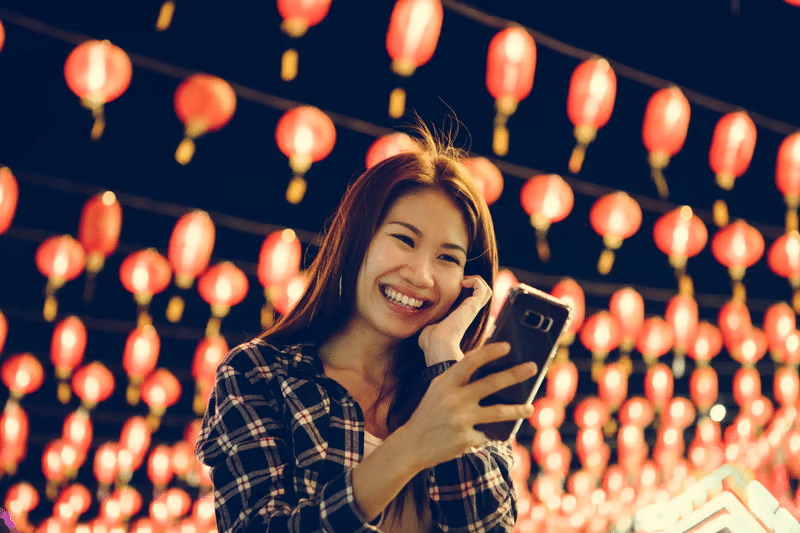
japan esim shrine visit planning for hatsumode covers the specific connectivity environment of Japan’s densest crowd concentrations of the year. Meiji Jingu with three million visitors over three days; Naritasan Shinshoji receiving similar numbers — these are crowd environments that test Japan’s network infrastructure in ways that only occur during shogatsu.
The hatsuhinode connectivity situation is similar — the first sunrise of the New Year (hatsuhinode) draws crowds to elevated viewpoints, coastal locations, and mountain summits where coverage can already be variable and New Year crowd additions compound the connectivity challenge.
For hatsumode at major urban shrines: All three carriers provide coverage but with upload speed reduction during peak morning hours of January 1–3. Navigation, messaging, and payment apps function adequately. Real-time large photo and video uploads are best deferred.
For hatsuhinode at viewpoints: japan esim winter holiday coverage at specific hatsuhinode destinations varies significantly. Urban viewpoints (Tokyo Skytree, Yokohama Landmark Tower, Mount Takao near Tokyo) have coverage from all carriers. Mountain summit hatsuhinode — the most atmospheric first sunrise experience — can be coverage-limited depending on elevation and position. Docomo provides the most reliable coverage across the range of hatsuhinode locations including elevated and semi-rural viewpoints.
Digital Omamori and Shrine Apps
Japan’s major shrines now offer digital resources — official shrine apps, digital fortune-telling (omikuji) access, and virtual shrine registrations — that require data connectivity. While these digital additions are supplementary to the primary hatsumode experience, they represent a growing data use case specific to New Year shrine visits.
Best Japan Sim Data Plans for Shogatsu Season
Network Recommendation
For shogatsu travel concentrated in Tokyo and Kyoto — the primary hatsumode destinations — any Japan Sim Data carrier provides equivalent coverage. For travelers whose New Year itinerary includes Okinawa, rural shrine destinations, or elevated hatsuhinode viewpoints outside major cities, docomo new year coverage breadth provides the most consistent connectivity.
softbank shogatsu and kddi new year japan plans are fully appropriate for urban shogatsu experiences in the major cities.
Plan Sizing for New Year Travel
Short New Year Visit (4–5 days, December 30–January 3): 10–15GB covers the concentrated hatsumode and countdown connectivity demands of a focused New Year Japan trip. The closure period’s reduced restaurant and shop navigability makes data usage somewhat higher than equivalent non-holiday periods.
Extended December-January Window (10–14 days): 20GB or unlimited for travelers whose Japan stay spans both the pre-New Year illumination season and the shogatsu period. The combination of illumination photography, New Year countdown coverage, hatsumode navigation, and the return to normal urban activity in early January creates sustained data consumption across the full window.
Urban New Year Only: Travelers concentrating exclusively on Tokyo’s hatsumode at Meiji Jingu and the New Year countdown experience can manage with 10GB supplemented by accommodation WiFi for large uploads.
The japan esim holiday season sizing principle for shogatsu: the combination of reduced urban infrastructure (fewer open restaurants requiring navigation), crowd-intensive shrine visits, and the extraordinary photographic moments of New Year Japan push data consumption modestly above equivalent non-holiday Japan travel.
According to the Japan National Tourism Organization (JNTO), Japan’s New Year period generates extraordinary domestic travel volumes and is increasingly significant for international visitors seeking the authentic ritual character of shogatsu that mass tourism seasons don’t offer. The GSMA identifies winter holiday travel as a high-growth eSIM use case globally, with Japan’s New Year identified as one of Asia’s most distinctive seasonal connectivity environments.
Conclusion: New Year Japan Rewards the Connected Traveler
Japan’s shogatsu offers something that no other seasonal travel period in Japan — or perhaps anywhere — replicates: an entire society engaged simultaneously in a ritual of annual renewal, expressed through shrine visits, family gathering, traditional food, and the particular atmosphere of a country that takes its transitions seriously. The international traveler fortunate enough to experience Japan during New Year encounters a depth of cultural authenticity that peak tourist season rarely provides.
Connectivity that supports navigating this experience — finding the open restaurant among the closed ones, navigating to the shrine through unfamiliar neighborhoods, capturing and sharing the extraordinary imagery of Japan’s most atmospheric seasonal moment — is the practical foundation that makes shogatsu travel fully accessible. Japan Sim Data’s eSIM plans on Docomo, SoftBank, and KDDI networks provide that foundation for every type of New Year Japan itinerary.
Install before departure. Activate on landing. And raise a cup of warm amazake at midnight in a crowd of millions of Japanese people beginning their year together. Akemashite omedetou gozaimasu.
Frequently Asked Questions
Q1: Is Japan shut down during New Year (shogatsu)?
A: Not completely, but significantly. Many restaurants, shops, and attractions close from December 29 to January 3. Convenience stores (7-Eleven, FamilyMart, Lawson) remain open and are the traveler’s most reliable resource during the closure period. Hotels operate normally. Transport runs throughout, though with modified holiday schedules.
Q2: Is there mobile coverage at major hatsumode shrines during New Year?
A: Yes, but with congestion-related speed reduction during peak hours. Meiji Jingu, Senso-ji, and other major hatsumode destinations have coverage from all carriers — messaging and navigation function adequately. Real-time high-quality uploads during the most crowded January 1 morning hours are slower on all networks due to the extraordinary visitor concentration.
Q3: Which carrier is best for New Year Japan travel?
A: For urban shogatsu in Tokyo and Kyoto, all three carriers perform equivalently. For travelers including elevated hatsuhinode viewpoints, rural shrine destinations, or Okinawa in their New Year itinerary, Docomo provides the broadest coverage across the full range of shogatsu destinations.
Q4: What data plan is right for a five-day New Year Japan visit?
A: 10–15GB covers a focused five-day shogatsu visit. The closure-period navigation demands (finding open restaurants, locating available attractions) push data usage modestly above equivalent non-holiday Japan travel. Supplement with accommodation WiFi for large photo uploads from the extraordinary New Year imagery Japan generates.
Q5: Is hatsuhinode (first sunrise) worth watching and how does connectivity affect the experience?
A: Hatsuhinode is one of Japan’s most genuinely moving New Year experiences — watching the year’s first sunrise with crowds of Japanese people at an elevated viewpoint or coastal location is an extraordinary cultural moment. Urban hatsuhinode viewpoints have coverage from all carriers. Mountain or elevated rural hatsuhinode locations benefit from Docomo’s coverage advantage. Download offline maps for your chosen location before departure.