
Cultural and Heritage Tours: eSIMs for Slow-Travel Groups in Japan
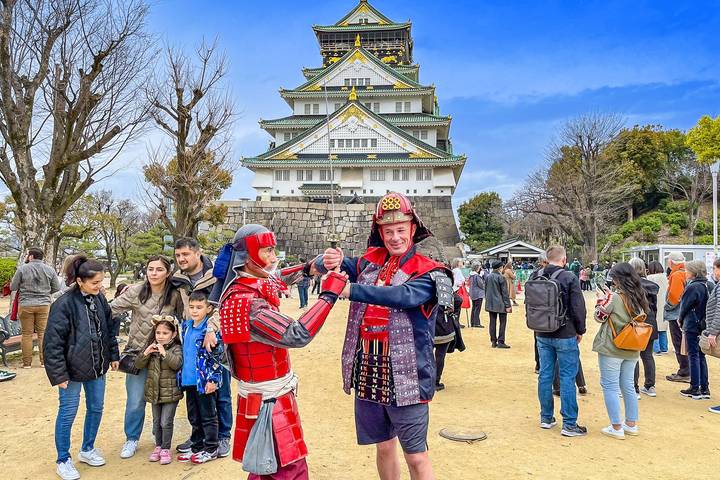
Cultural and heritage Japan tours operate at a different pace from standard city-circuit tourism. A typical ten-day Japan itinerary may move quickly between Tokyo, Kyoto, and Osaka. Cultural tours take more time at each destination.
For example, a cultural itinerary may spend three days in Kanazawa instead of one afternoon. It may include a hands-on ceramics session in Kyoto’s Higashiyama district. It may also include a full day at a traditional craft workshop in Takayama. In Hagi, a guided walk through the samurai quarter can focus on each gate, garden, and historical detail.
This slower pace also changes the connectivity profile. Cultural tour clients usually have different data needs from cherry blossom photographers or first-time city visitors. They need reliable translation tools, research access, and communication services.
Therefore, choosing the right Japan eSIM for cultural tours requires more than checking basic city coverage. Operators should consider rural destinations, workshops, museums, guide requirements, data consumption, and staggered arrivals.
This playbook covers the eSIM program for cultural and heritage Japan tour operators. It explains destination coverage, guide translation requirements, data planning, and bulk pricing structures for cultural programs that operate across multiple seasons.
Cultural Tour Connectivity Needs
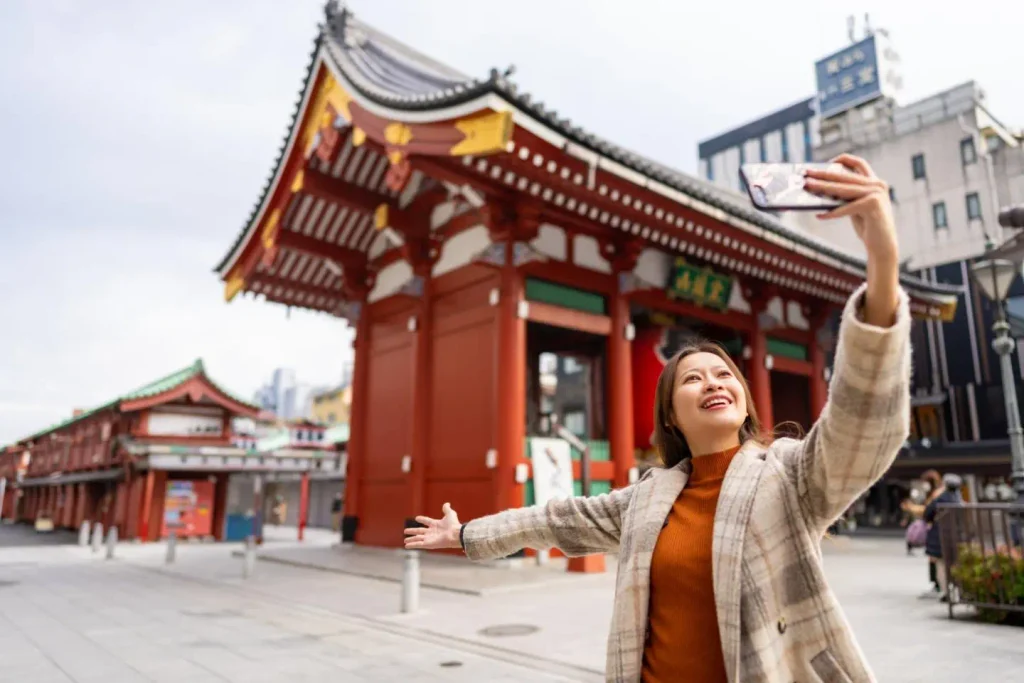
What Cultural Tours Require From Connectivity
The Japan eSIM for cultural tours connectivity profile differs from standard tourism in three main ways.
Translation Depth Over Navigation Breadth
Cultural tour clients often engage more deeply with each site. A standard tourist may photograph an information board and continue walking. A cultural traveler may want to read the entire text.
As a result, camera translation can become an important part of the travel experience. Clients may use it for museum displays, temple information, workshop instructions, and historical explanations.
Workshop instruction can create similar needs. A client learning ceramics or traditional textile techniques may need help understanding Japanese terminology. Reliable mobile data allows translation tools to work when they are needed.
Research Connectivity for Curiosity
Cultural immersion often creates new questions. For example, a client may learn about Kutani porcelain during a Kanazawa workshop. They may then want to research the kiln master, a nearby museum, or the history of a particular technique.
This research happens in real time. Therefore, clients benefit from having mobile data available while they explore each destination.
The same applies after a workshop or museum visit. A cultural experience can lead to further reading, searches, and online research later in the day.
Communication Quality Over Quantity
Cultural travelers may not communicate online as constantly as travelers who focus heavily on social media. However, the content they share can be more detailed.
For example, a client may publish a thoughtful post about a pottery workshop. They may upload photographs of the craftsperson and write about what they learned.
Consequently, reliable upload connectivity still matters. The goal is not necessarily high-volume posting. Instead, it is dependable communication when clients want to share meaningful experiences.
Key Cultural Destinations and Coverage Profiles
Kyoto: The Foundation
Kyoto is a natural anchor for many cultural Japan tours. The city combines temples, traditional crafts, tea culture, kaiseki cuisine, gardens, and other forms of living cultural practice.
Coverage: Coverage is comprehensive across the major carriers in Kyoto’s urban and main tourist areas. Higashiyama, Nishiki Market, Gion, Arashiyama, and major temple complexes generally have strong coverage.
Cultural tour connectivity notes: Workshop venues, temple interiors, and smaller cultural sites can have different indoor signal conditions. Outdoor gardens and approach areas generally provide stronger coverage.
For example, a client may have good connectivity outside a temple but experience weaker service inside a historic building. Therefore, operators should explain that indoor coverage can vary.
Docomo cultural tour recommendation: Any carrier can support a Kyoto-centered program with standard coverage needs. However, Docomo is recommended when the itinerary continues into rural cultural destinations.
Kanazawa
Kanazawa is one of Japan’s best-preserved castle towns outside Kyoto. Its cultural attractions include the Higashi Chaya district, Kenroku-en Garden, Kanazawa Castle, Kutani pottery, and Kaga Yuzen textile traditions.
Coverage: All major carriers provide good coverage across Kanazawa’s urban areas. The main cultural districts are adequately covered.
Cultural tour connectivity notes: The narrow streets of Higashi Chaya generally have adequate outdoor coverage. However, indoor service can vary at traditional teahouse venues.
Craft workshops on the outskirts of Kanazawa may also have weaker coverage than central locations. This matters because authentic craft experiences often take place outside the city center.
Network recommendation: Docomo is recommended for Kanazawa programs that include workshops at craft production facilities outside the central area.
Takayama and the Hida Folk Village
Takayama’s historic merchant district and Hida Folk Village provide direct access to traditional rural architecture and craft traditions.
Coverage: Takayama’s historic urban district has adequate Docomo coverage. The Hida Folk Village also has sufficient outdoor coverage for messaging and navigation.
However, rural craft workshops and farmhouse guesthouses in the surrounding Hida Valley may have limited coverage across carriers.
The Shirakawa-go gassho-zukuri villages are another important consideration. These rural mountain communities are often included as day trips from Takayama.
Cultural tour connectivity notes: Docomo provides the strongest coverage option for rural areas around Takayama and the Hida Valley. Coverage remains more limited than in major cities, but it is generally suitable for essential connectivity.
Network recommendation: Docomo is recommended for Takayama and Hida Valley programs because of the rural environment.
Kurashiki
Kurashiki’s Bikan Historical Quarter offers a compact cultural experience. The canal area is surrounded by white-walled storehouses, art museums, craft shops, and renovated traditional buildings.
The Ohara Museum of Art and Folk Craft Museum add further cultural depth. Visitors can also explore craft stores and renovated kura buildings.
Coverage: Coverage is good across carriers in the historic quarter and city center. Outdoor service around the Ohara Museum is generally adequate, although indoor coverage can vary.
Network recommendation: Any carrier is suitable for Kurashiki as a standalone destination. Docomo becomes preferable when the itinerary continues toward rural San’in or inland Chugoku destinations.
Hagi and the San’in Coast
Hagi is one of Japan’s best-preserved historic castle towns. It is also known for its samurai quarter and Hagi-yaki pottery tradition.
Coverage: Hagi is the most coverage-sensitive destination in this cultural tour portfolio. Its rural location on the Sea of Japan coast makes network selection especially important.
Docomo is recommended for both the town and rural coastal routes connecting Hagi with other San’in destinations.
Cultural tour connectivity notes: Hagi-yaki workshops may be located outside the town center. These rural studios can have adequate Docomo coverage while other networks may provide less consistent service.
The same consideration applies to road travel between Hagi and destinations such as Izumo and Tottori.
Network recommendation: Docomo is recommended without qualification for programs that include Hagi or the San’in Coast.
Guide-Led Coverage and Translation Needs
The Cultural Guide Connectivity Profile
Cultural tour guides have different connectivity requirements from standard tour guides. Their work often involves translation, research, and detailed client questions.
Real-Time Translation for Client Questions
Cultural immersion can generate questions that guides cannot always answer from memory. A client may ask about the historical period of a pattern on a fusuma screen. Another may want to understand the origin of a craft technique.
In these situations, live data allows guides to conduct quick research. Therefore, connectivity becomes part of the guide’s working toolkit.
Workshop and Artisan Communication
Cultural tours often include hands-on experiences with Japanese craftspeople. These may involve ceramics, weaving, dyeing, woodworking, or other traditional techniques.
For example, a ceramics master may provide instructions in Japanese. A guide can use Google Translate’s camera function to support technical vocabulary and visual explanations.
This is particularly useful when the group is learning a specialized craft. Reliable mobile data allows the guide to access translation tools during the activity.
Museum and Exhibition Research
Japanese cultural institutions often provide supplementary information in Japanese. Guides can sometimes access English-language exhibition materials online.
As a result, mobile data can help guides provide additional context when clients ask detailed questions about an exhibition or historical object.
Guide Plan Specification
Unlimited Docomo is recommended for cultural tour guides.
The cultural guide role requires more than basic messaging and navigation. Translation, research, communication, and troubleshooting can all consume data.
Therefore, an unlimited plan provides the most suitable operational buffer for guides.
Data Planning for Temples, Museums, and Workshops
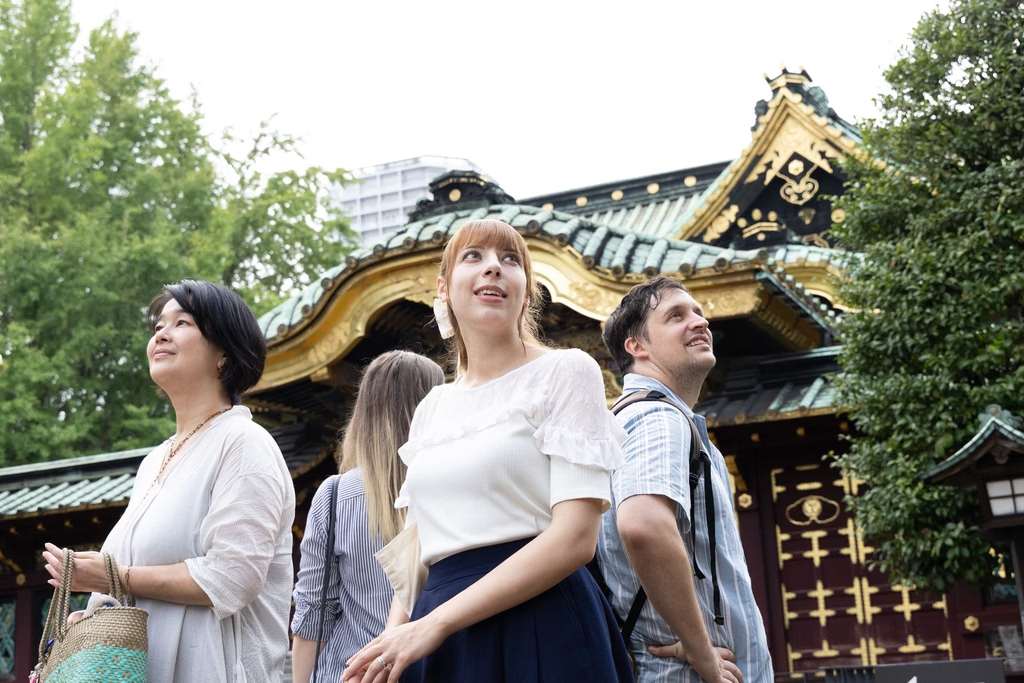
The Cultural Tour Data Consumption Profile
Data consumption on cultural tours is generally lower than during photography-heavy travel. However, cultural programs create several specific data-use patterns.
Camera Translation
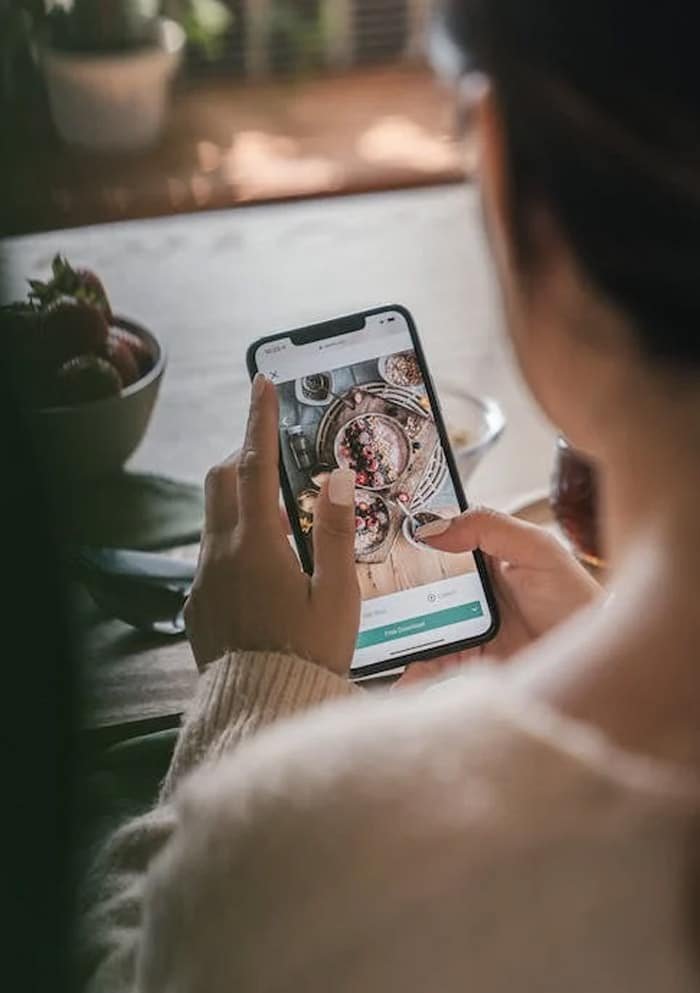
Clients who actively read Japanese information boards and exhibit descriptions may use camera translation frequently.
A culturally engaged client may perform around 20–40 camera translation queries per day. The source article estimates that these requests can consume approximately 100–300MB daily.
Museum and Cultural Research
Clients may research historical periods, craft traditions, individual artists, museum collections, and workshop subjects.
This research can consume approximately 100–200MB per day for culturally engaged travelers.
Communication and Photo Sharing
Cultural travelers often write longer posts instead of uploading large volumes of photographs.
They may share workshop experiences, museum visits, or detailed reflections. Photo uploads can still consume data, however, with estimated communication use of around 200–500MB per day.
Evening Research
Cultural experiences often encourage additional research at the end of the day.
For example, a client may return to their hotel after a Kutani ceramics workshop and read about the history of the technique.
Hotel WiFi can therefore supplement the eSIM during evening research. This helps conserve mobile data for daytime activities.
Recommended Daily Data
The source estimates the following daily usage:
- 1–2GB per day: Moderately engaged cultural travelers with reliable hotel WiFi.
- 2–3GB per day: Highly engaged travelers with limited hotel WiFi.
- Unlimited: Heavy researchers and writers who may use substantially more data.
Recommended Plans
15GB: Suitable for standard cultural tour clients with reliable hotel WiFi in destinations such as Kyoto, Kanazawa, and Takayama.
20GB: Recommended for programs that include rural accommodation or less reliable WiFi.
Unlimited: Suitable for heavy researchers, writers, or clients who are expected to use mobile data extensively.
Bulk Pricing and Staggered Arrivals
The Cultural Tour Calendar Structure
Cultural and heritage tours operate across a broader annual calendar than ski or cherry blossom programs.
Autumn foliage season, particularly October and November, is an important period. Late spring, including May and June, can also support cultural travel programs.
Therefore, cultural tour operators may generate more consistent annual eSIM activation volumes than operators focused on one short seasonal peak.
Japan eSIM Cultural Wholesale Pricing
Cultural tour operators with year-round Japan programs can accumulate meaningful annual activation volumes.
For example, an operator running 12 cultural tour departures each year with 15 clients per departure would generate 180 annual client activations.
This volume can support progression into more favorable pricing tiers, even when individual departures remain relatively small.
Consequently, annual activation volume should be considered when planning wholesale eSIM pricing.
Staggered Arrival Accommodation
Cultural Japan tours often involve staggered individual arrivals. Clients may travel independently to the first meeting point in Kyoto or Tokyo.
This differs from a unified group departure. Therefore, eSIM distribution should support individual installation before travel.
eSIM Distribution for Staggered Arrivals
QR codes should be distributed to individual clients around three weeks before the program starts.
Each client can receive the QR code and installation instructions by email. The instructions should recommend installing the eSIM at home before departure.
This approach is particularly useful for staggered arrivals. There is no single airport meeting point where an activation station can help every client.
Therefore, pre-installation reduces the risk of connectivity problems during arrival.
Japan Sim Data Cultural-Tour Support
Support Elements for Cultural Program Operators
Japan Sim Data’s cultural-tour support can address several operational requirements.
Destination-Specific Coverage Notes
Installation materials can include coverage guidance for each destination.
For example, operators can explain where outdoor coverage is strong and where indoor service may vary. Materials can also identify rural craft workshop locations where Docomo coverage is preferred.
Translation Tool Connectivity
Client materials can explain how translation tools support cultural visits.
Google Translate’s camera function can help travelers understand Japanese information boards, museum displays, and workshop instructions.
The materials can also explain the importance of having mobile data available when translation is needed away from hotel WiFi.
Staggered Arrival Distribution
Distribution materials can be designed for individual email delivery rather than group activation.
This can include individual PDFs, compatibility guidance, and installation instructions. Clients can complete installation using home WiFi before departure.
Cultural Guide Training Materials
Guide materials can address the specific connectivity needs of cultural programs.
These may include translation tools, research access, coverage troubleshooting, and communication requirements.
The goal is to give guides more than a standard tourism troubleshooting kit.
Year-Round Program Planning
Cultural tour operators can benefit from annual eSIM planning because their programs may operate throughout the year.
Operators can plan pricing tiers, data configurations, and batch schedules across multiple departure periods.
This approach can support programs covering cherry blossom season, autumn foliage, and quieter mid-season departures.
Conclusion: Translation Depth and Coverage Breadth
The Japan eSIM for cultural tours framework differs from high-volume seasonal tour programs.
Cultural programs place greater emphasis on translation quality, research access, rural coverage, and staggered distribution. They are less focused on continuous photography and rapid social media uploads.
Docomo is recommended for the coverage breadth required by cultural Japan tours. This includes destinations ranging from Kyoto’s craft districts to Hagi’s rural pottery studios.
For guides, Unlimited Docomo provides the connectivity buffer needed for translation, research, and communication.
For clients, 15–20GB is appropriate for many programs. Unlimited plans can serve travelers who conduct extensive research or writing.
Japan Sim Data’s cultural tour support can also provide destination-specific coverage notes, translation-tool guidance, staggered-arrival distribution, and year-round planning.
Together, these elements create a practical connectivity framework for operators running cultural and heritage programs in Japan.
Visit Japan Sim Data to begin planning a cultural tour eSIM program.
Frequently Asked Questions
Why is Docomo recommended for cultural and heritage Japan tours?
Cultural Japan itineraries often include rural and regional destinations. These may include Takayama, Hagi, the San’in Coast, and craft workshops outside city centers.
Therefore, Docomo’s wider rural coverage makes it the preferred network for programs that move beyond major cities.
Kyoto-centered programs may also benefit from Docomo when they include regional day trips or rural cultural sites.
How much data do cultural tour clients typically use per day?
Moderately engaged cultural travelers may use around 1–2GB per day when they have reliable hotel WiFi.
Highly engaged clients with limited WiFi may use around 2–3GB per day.
The main data uses include camera translation, cultural research, communication, and photo uploads.
How should staggered-arrival cultural tour clients receive their Japan eSIM?
Individual email distribution is recommended around three weeks before the program starts.
Each client should receive their QR code and installation instructions separately. The instructions should encourage clients to install the eSIM at home before traveling.
This approach avoids relying on a group activation station at an airport or meeting point.
What translation tools do cultural tour guides use most frequently?
Google Translate’s camera function can help with information boards, exhibit descriptions, and workshop instructions.
It is particularly useful when clients encounter Japanese technical or cultural vocabulary during hands-on activities.
Guides can also use mobile data for online research when clients ask questions that were not covered in the guide’s advance preparation.
Do pottery studios and craft workshops in rural Japan have reliable eSIM coverage?
Coverage varies by location.
Urban craft districts in Kyoto and Kanazawa generally have adequate connectivity. However, rural production facilities can have weaker service.
Docomo is recommended for rural locations such as Hagi, the Hida Valley near Takayama, and other regional craft centers.
Operators should also explain that indoor coverage can be weaker inside traditional workshop buildings.
What eSIM plan is best for cultural tour clients?
A 15GB plan is suitable for standard cultural travelers who have reliable hotel WiFi.
A 20GB plan is better for programs with rural accommodation or less reliable WiFi.
Unlimited plans are most suitable for heavy researchers, writers, and other clients who expect higher mobile data use.
How far in advance should cultural tour operators distribute eSIM QR codes?
For staggered-arrival programs, QR codes should be distributed around three weeks before the tour begins.
This gives clients enough time to check compatibility, install the eSIM, and resolve any setup issues before departure.
Installing the eSIM at home also reduces pressure during arrival in Japan.