
Cherry Blossom Tours: eSIM Planning for Peak-Season Groups in Japan
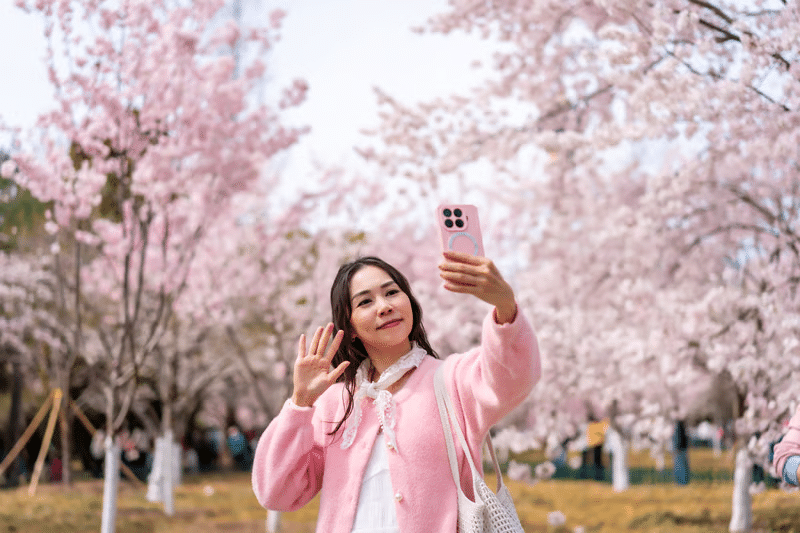
Sakura season is one of the most rewarding and operationally demanding periods for Japan tour operators. The peak flowering window is relatively short and varies by location. Bloom timing generally moves from southern and central Japan toward northern regions as spring progresses.
This creates strong demand for Japan travel. It can also create higher visitor concentrations, accommodation pressure, busy transport networks, and greater demand for mobile connectivity.
The Japan spring group eSIM question is therefore not only about having mobile data. It is about maintaining connectivity during one of Japan’s busiest tourism periods.
A guide may need to navigate a large group through a popular Kyoto hanami site while monitoring bloom forecasts, checking transport information, answering client messages, and coordinating with the operator. Reliable connectivity supports all of these tasks.
This playbook explains how to build an eSIM program for spring group tours in Japan. It covers bloom forecast access, multi-city itineraries, network considerations, bulk purchasing, activation, and peak-season planning.
Sakura Season Logistics and Connectivity
What Makes Sakura Tours Different
Japan spring group eSIM requirements can differ from those of standard tours. Several factors make connectivity particularly important during sakura season.
Itineraries may need to respond to bloom timing.
Peak bloom dates vary between locations and can change with weather conditions. Operators may adjust daily plans when one destination reaches peak bloom earlier than another.
Guides may need to check forecasts, review transport options, and communicate changes to clients. Mobile data makes these adjustments easier to manage.
Photography can increase data use.
Cherry blossom tours are highly visual. Guests often take large numbers of photos and videos throughout the day. Social media uploads can increase data consumption, particularly at popular viewing locations.
Popular sites can become crowded.
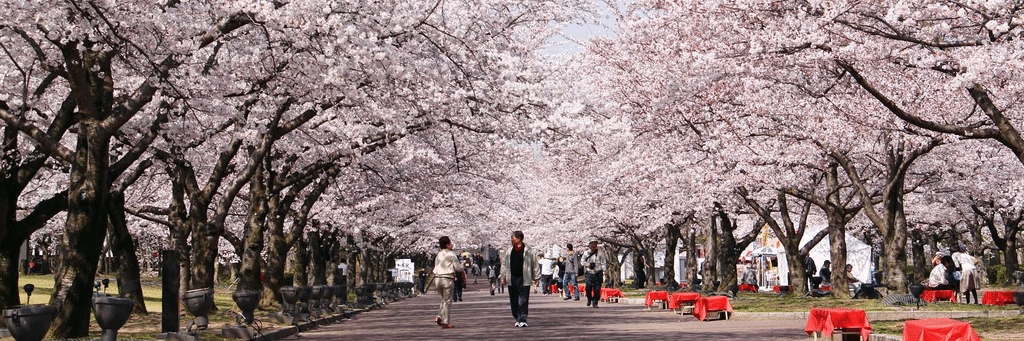
Major hanami destinations may receive large numbers of visitors during peak bloom. Heavy visitor concentrations can place additional demand on local mobile networks.
Basic services such as messaging and navigation may remain usable, while large photo and video uploads can take longer.
Group coordination becomes more demanding.
Guides may need to manage meeting points, transport information, weather updates, and client communication at the same time.
A reliable data connection can reduce the operational burden during busy sightseeing days.
Sakura Forecast Tools and Guide Connectivity
Monitoring Bloom Conditions
Sakura tour guides often rely on live information when planning daily activities. Forecast services can help them monitor bloom progress and weather conditions.
Useful services can include:
- Yahoo Japan Sakura information and maps
- Weathernews sakura forecasts
- Tenki.jp weather and seasonal information
- Local weather services and tourism information
These services can help guides compare conditions across different destinations.
Why Guides Need Reliable Data
A guide may need to decide whether to visit a popular viewing location today or adjust the schedule based on weather and bloom conditions.
That decision can also involve checking transport schedules, communicating with the tour operator, and updating clients.
For this reason, guide connectivity should be treated as an operational requirement rather than an optional convenience.
Guide plan recommendation: An unlimited Docomo plan can be suitable for guides who regularly use navigation, messaging, weather services, and other operational tools throughout the day.
Weather Information for Hanami Planning
Weather can affect both bloom conditions and the guest experience.
Rain and strong wind may change outdoor plans. Guides may therefore check weather conditions before deciding when and where to schedule hanami activities.
Reliable mobile data allows guides to access updated weather information while travelling between locations.
Multi-City Sakura Tour Itineraries
Following the Bloom Across Japan
Some specialist itineraries are designed around the progression of cherry blossom season. Depending on the year and destinations, a program may move from central Japan toward northern regions.
A sample itinerary could include:
Tokyo → Kyoto → Tohoku → Hokkaido
The exact timing depends on the year’s weather and bloom forecasts. Operators should therefore avoid treating these dates as fixed.
For longer itineraries, network coverage becomes increasingly important because the group may travel between major cities, regional destinations, and rural sightseeing locations.
Regional Connectivity Considerations
Tokyo
Tokyo has extensive mobile coverage across the city. Popular sakura locations such as Ueno Park, Shinjuku Gyoen, and Chidorigafuchi can become very busy during peak bloom.
Messaging, navigation, and general data use should remain the priority during crowded periods. Large uploads may take longer when visitor density is high.
Kyoto
Kyoto also has broad mobile coverage. However, popular hanami destinations such as Maruyama Park, Arashiyama, and the Philosopher’s Path can become extremely busy.
Tour guides should prepare clients for the possibility of slower data speeds at crowded locations.
Large photo and video uploads can be completed later when the group returns to accommodation or another location with less network demand.
Tohoku
Sakura tours that continue into Tohoku can include regional destinations such as Kakunodate, Hirosaki, and Kitakami.
Because these destinations can be more regional than central Tokyo or Kyoto, operators should consider nationwide network coverage when selecting an eSIM.
Hokkaido
Hokkaido’s cherry blossom season generally occurs later than that of many destinations in central Japan.
Locations such as Matsumae can form part of later-season itineraries. Operators travelling through rural areas should consider network coverage beyond major urban centres.
Choosing a Network for Multi-City Tours
For programs covering major cities and regional destinations, a nationwide network can simplify planning.
Docomo is a practical option for Japan spring group eSIM programs that include rural destinations and long-distance transfers. Operators should still explain that no mobile network can guarantee uninterrupted service in every mountain, rural, or indoor location.
The final network choice should reflect the itinerary, destinations, expected usage, and plan requirements.
Fixed Multi-City Sakura Tours
Many commercial tours follow a more predictable route, such as:
Tokyo → Kyoto → Osaka
These major destinations generally have strong mobile connectivity.
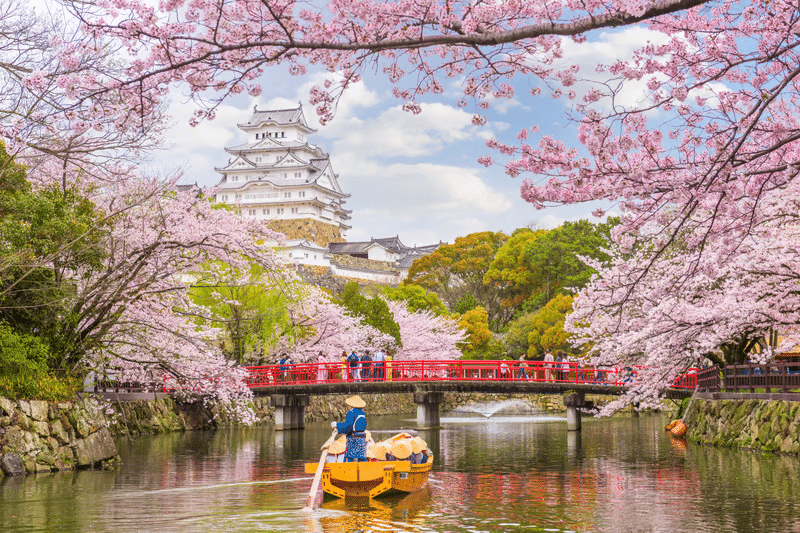
However, tours may also include regional excursions to places such as Nara, Yoshino, Himeji, or other cherry blossom destinations.
For these programs, a nationwide network can provide a consistent connectivity solution across the complete itinerary.
Managing eSIM Volume During Sakura Season
Why Early Planning Matters
Sakura season concentrates a large number of Japan tour departures into a relatively short period.
Operators may therefore need to prepare several groups at the same time. Early planning gives the operator more time to confirm group numbers, device compatibility, plan requirements, and distribution schedules.
A Japan spring group eSIM program should be planned before the busiest part of the season begins.
Suggested Ordering Timeline
For departures between late March and April, operators can consider the following workflow:
January: Confirm the expected number of groups and estimated activation volume.
Early February: Finalise plans, networks, and group requirements.
February: Place bulk orders for confirmed departures.
2–3 weeks before departure: Distribute QR codes and installation instructions to each group.
Before departure: Confirm that clients have installed the eSIM and understand when to activate the mobile data line.
This schedule gives operators time to resolve device compatibility or installation problems before clients arrive in Japan.
QR Code Distribution and Banking
Operators with confirmed departure schedules may prefer to prepare eSIM QR codes in advance.
Codes can then be organised by departure date or group. This makes distribution easier when several tours operate during the same period.
Any QR code storage system should be secure and accessible only to authorised staff.
Operators should also maintain a clear record of which QR code has been assigned to each traveller.
Resolving Device Compatibility Problems
Peak-season operations leave less room for last-minute technical problems.
For this reason, compatibility checks should begin during the booking process whenever possible.
Clients can be asked to confirm:
- Their phone model
- Whether the device supports eSIM
- Whether the device is carrier-unlocked
- Whether they can install an additional mobile plan
- Whether they understand the installation process
Identifying incompatible devices early gives operators more time to suggest alternatives.
Bulk Plan Pricing and Buying Window
January Planning
Operators planning large sakura programs can discuss their expected annual volume with Japan Sim Data before the main spring ordering period.
The planning discussion can cover:
- Expected number of groups
- Average group size
- Departure dates
- Expected annual activations
- Preferred network
- Client and guide plan types
- QR code distribution
- Activation schedules
- Seasonal support requirements
Looking at the full annual volume can provide a better picture than considering each departure separately.
February Batch Ordering
February can be a practical ordering period for March and April departures.
Early batch ordering gives operators more time to organise QR codes and distribute them according to each group’s departure schedule.
It also reduces the risk of leaving compatibility checks and installation support until the last few days before departure.
Japan Sim Data Sakura Season Support
Seasonal Planning
Japan Sim Data can work with tour operators to plan their expected spring eSIM requirements.
Operators can provide their estimated group volumes and departure schedules so the distribution process can be organised in advance.
Installation Guidance
Sakura tour clients can receive installation instructions as part of their pre-departure information.
Guides and staff can also receive separate troubleshooting information covering:
- eSIM installation
- Mobile data settings
- Network selection
- Device compatibility
- Basic connectivity troubleshooting
Guide Support
Guides should understand the difference between an eSIM installation problem and a temporary network coverage issue.
A basic troubleshooting process can begin by checking whether the eSIM is installed and selected for mobile data.
The guide can then check mobile data settings and network selection. If the device is functioning correctly, moving to another location may restore service when the problem is caused by local coverage or congestion.
Connectivity After the Sightseeing Day
Mobile data remains useful after the day’s sightseeing ends.
Guests may use their phones to:
- Find restaurants
- Check train and bus information
- Share photos
- Contact family
- Navigate back to their accommodation
- Confirm the next day’s schedule
Reliable connectivity therefore remains useful throughout the complete tour, not only during visits to cherry blossom sites.
Managing Network Congestion
Peak bloom locations can become crowded. Operators should set realistic expectations before departure.
Clients should understand that mobile service can vary depending on visitor density, location, buildings, terrain, and network conditions.
Large uploads may be slower in crowded areas. This does not necessarily indicate an eSIM failure.
A simple pre-departure message can explain the situation:
At very busy sakura locations, mobile data may become slower because many visitors are using the network at the same time. Messaging and navigation may remain available, while large photo and video uploads may take longer.
This expectation-setting can reduce unnecessary technical support requests during the busiest sightseeing periods.
Conclusion: Plan the Sakura eSIM Program Early
A successful Japan spring group eSIM program should reflect the operational realities of sakura season.
Plan early: Confirm expected group volumes, departure dates, device compatibility, and plan requirements before the busiest part of spring.
Choose a suitable network: A nationwide network such as Docomo can be useful for tours that combine major cities with regional and rural destinations.
Support guides properly: Guides need reliable connectivity for navigation, weather information, group messaging, transport coordination, and itinerary updates.
Prepare clients before departure: QR codes, installation instructions, compatibility checks, and troubleshooting information should be provided well before arrival in Japan.
Set realistic expectations: Popular cherry blossom sites can experience heavy visitor concentrations. Large uploads may be slower during the busiest periods.
For operators running multiple spring departures, early coordination can make eSIM distribution easier to manage. A clear process for ordering, assigning, distributing, and activating eSIMs also gives guides one less operational issue to handle during busy sightseeing days.
Japan Sim Data can support operators planning group eSIM requirements for Japan’s spring travel season. Visit japansimdata.com to discuss seasonal group requirements and wholesale options.
Frequently Asked Questions
When should sakura tour operators order eSIM batches?
Operators should begin planning several weeks or months before their March and April departures. February can be a practical ordering period for confirmed spring groups because it provides time for distribution and pre-departure support.
Why is Docomo a practical option for multi-city sakura tours?
A multi-city itinerary can include major cities as well as regional destinations. A nationwide network can therefore simplify connectivity planning across the complete route. Docomo is one practical option for operators who want broad coverage across Japan.
How should guides explain network congestion to clients?
Guides should explain before departure that popular sakura sites can become extremely busy. High visitor density may affect mobile data speeds, especially for large photo and video uploads.
Clients can usually continue using basic services such as messaging and navigation, but large uploads may be better completed later.
How much data might sakura tour clients use?
Usage varies significantly between travellers. Guests who take and upload many photos or videos can use considerably more data than those who mainly use messaging and navigation.
For this reason, operators should avoid assuming that every traveller will use the same amount of data.
Which forecast tools can guides use during sakura season?
Guides can use services such as Yahoo Japan, Weathernews, and Tenki.jp to monitor weather and seasonal information. Live data access allows guides to check current information while travelling between destinations.
Should guides have a different eSIM plan from clients?
Guides may need more data because they use navigation, weather services, messaging, transport information, and other operational tools throughout the day.
An unlimited plan can therefore be practical for guides with heavy connectivity responsibilities. The final choice should depend on the guide’s expected usage and tour structure.