
Cashless Japan Travel: Your Complete 2026 Payment Guide for Trips
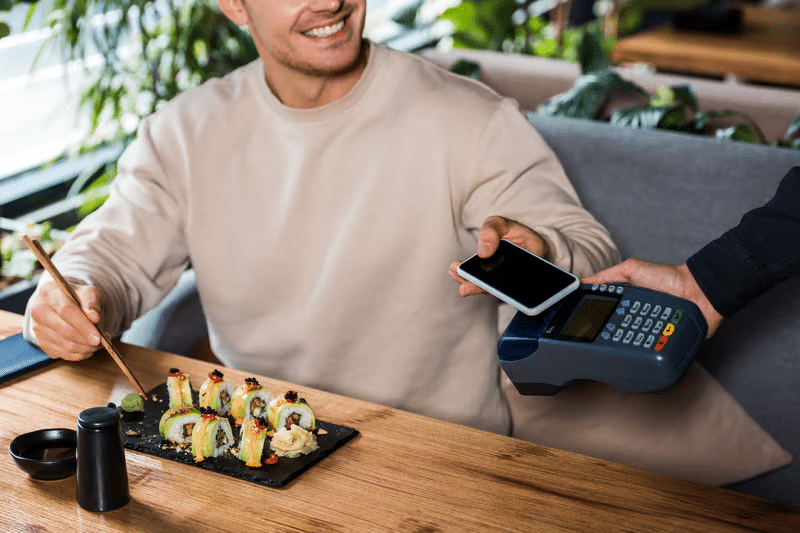
Japan’s reputation as a cash-only country is becoming outdated, but cash remains important in many places. A genuinely useful cashless Japan travel strategy in 2026 means knowing exactly where cards and QR payments work seamlessly, where cash is still the only option, and how to move between both without friction. Get this mix right, and payments become one less thing to think about; get it wrong, and you’re stuck at a ticket machine with a maxed-out card and no yen in your wallet.
This japan payment guide covers exactly what you need to know: where cash remains genuinely necessary, how credit cards, IC cards, and QR payments actually work day-to-day, the role mobile wallet apps and your eSIM play in a smooth payment setup, practical best practices for switching between payment methods confidently, and Japan Sim Data’s own recommendations for staying connected enough to pay however each situation calls for. Think of this as a complete japan travel money guide for the modern, largely-but-not-fully cashless Japan of 2026.
Japan payment 2026 realities look meaningfully different from even a few years ago, with QR payments and mobile wallets far more widespread than during earlier waves of “Japan is going cashless” coverage. Understanding the current landscape, rather than outdated advice, is what actually makes a trip run smoothly.
Where Cash Is Still King
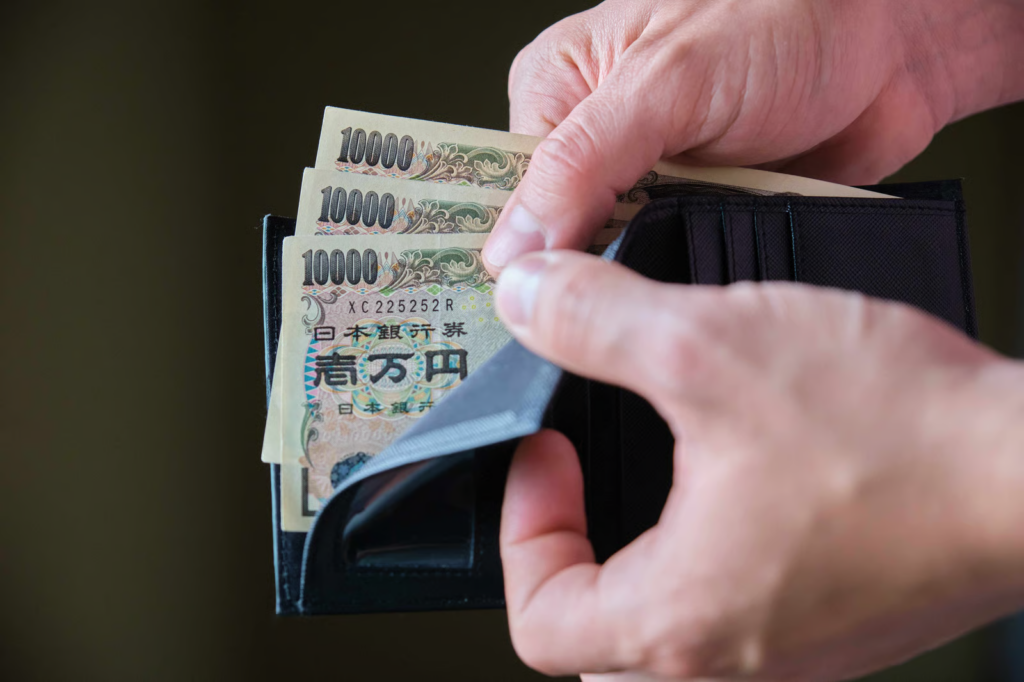
Despite years of steady progress toward cashless payments, several everyday situations in Japan still favor or outright require cash.
Smaller, independent businesses
Many smaller restaurants, izakaya, and family-run shops, particularly outside major tourist areas, still operate cash-only or have a minimum purchase amount for card payments. This is especially common in more traditional or rural establishments that haven’t invested in card payment infrastructure, even as larger chains have widely adopted it. A small sign near the register, often only in Japanese, is usually the only indication of a cash-only policy, so it’s worth having cash ready as a backup even when you’re unsure.
Shrines, temples, and traditional experiences
Entrance fees at smaller shrines and temples, omikuji (fortune slips), and goshuin (temple stamps) collections often require cash specifically, since these transactions are frequently handled informally rather than through a formal point-of-sale system. Vending machines, while increasingly accepting IC cards, still commonly accept cash as well, and older machines in less-trafficked areas may be cash-only.
Traditional ryokan and smaller guesthouses also sometimes prefer or exclusively accept cash for certain incidental charges — an extra meal, a late checkout fee, or a small gift shop purchase — even if the main room booking itself was paid by card in advance.
Local markets and festivals
Street food stalls, local markets, and festival vendors overwhelmingly operate on cash, given the informal and often temporary nature of these setups. If a festival or local market is part of your itinerary, carrying enough cash specifically for that day is a sensible habit regardless of how cashless the rest of your trip has been. Seasonal festivals in particular, which pop up temporarily and rely heavily on small individual vendors, are worth budgeting cash for well in advance, since finding an ATM in a crowded festival area can be genuinely difficult once you’re there.
Tipping and gratuities
While tipping isn’t standard practice in Japan the way it is in some other countries, in the rare situations where a small cash gift is appropriate (certain traditional accommodations, for instance), cash is the only acceptable form.
Credit Cards, IC Cards, and QR Payments
For everything that isn’t cash-dependent, three main cashless categories cover most of a traveler’s needs in Japan. Any japan tourist payment strategy in 2026 essentially comes down to combining these three tools intelligently rather than relying on just one.
Credit and debit cards
Major international credit cards are now widely accepted at hotels, department stores, larger restaurants, and most tourist-facing businesses throughout Japan’s major cities. Acceptance thins out somewhat in smaller towns and very small businesses, but has improved substantially in recent years, particularly for Visa and Mastercard. American Express and other less common networks still see more limited acceptance in some smaller establishments, worth keeping in mind if that’s your primary card.
IC cards (Suica, Pasmo, and similar)
Rechargeable IC cards are arguably the single most useful cashless tool for a japan cash vs card comparison, since they work seamlessly across most trains, buses, vending machines, convenience stores, and even some restaurants nationwide. Many phones now support adding an IC card digitally, letting you top up and use it directly from your phone without carrying a physical card at all.
IC cards are particularly valuable because they solve one of the most repetitive daily friction points of a Japan trip: constantly calculating exact train fares and handling small cash amounts throughout the day. A single tap replaces what would otherwise be dozens of small individual cash transactions across a typical sightseeing day.
QR code payments
QR-based mobile payments have grown significantly in Japan, with apps like PayPay widely accepted at everything from convenience stores to small restaurants. A Japan QR payment transaction usually involves scanning a store’s QR code or letting the store scan a code generated in your payment app. This payment method has become increasingly popular because it costs small businesses less to adopt than traditional card payment terminals.
This lower barrier to entry for small businesses is exactly why QR payments have spread faster into smaller, independent shops than credit card acceptance ever did — a small izakaya or family-run shop can display a simple printed QR code without needing to invest in dedicated card payment hardware at all.
Mobile Wallet Apps and eSIM Roles
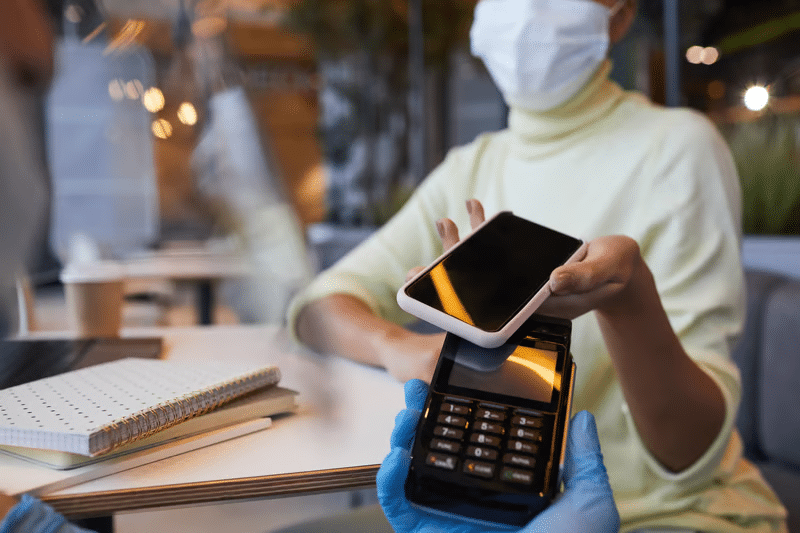
Modern payment methods increasingly depend on a phone that’s actually online, which is exactly where your Japan eSIM connection becomes directly relevant to how smoothly you can pay for things.
Why connectivity matters for payments
A japan esim payment setup matters because most mobile wallet and QR payment apps need an active data connection to process a transaction, verify a balance, or complete a top-up. Without reliable connectivity, a mobile wallet that works flawlessly at home can suddenly become unusable exactly when you need it — at a train gate, a checkout counter, or a vending machine.
This dependency is easy to overlook until it becomes a problem. A traveler who’s grown used to relying entirely on their phone for payments at home can be caught off guard the first time a weak signal delays a QR code from loading at checkout, with a line forming behind them. Treating your eSIM’s reliability as directly tied to your ability to pay, not just to browse or navigate, changes how seriously it’s worth taking connectivity planning before a trip. This is a genuinely different way of thinking about connectivity than most travel guides encourage, since maps and messaging get most of the attention while payments quietly depend on the exact same underlying connection.
Setting up a Japan mobile wallet
For travelers planning to rely on a japan mobile wallet throughout their trip, setting up the relevant apps before departure — ideally with a payment method already linked — saves time compared to configuring everything for the first time while standing at a register. Any solid japan payment app should be tested at home first, confirming your card links and the app actually processes a transaction before you’re relying on it abroad. Apps like PayPay generally support foreign credit cards for top-ups, though it’s worth checking current requirements before your trip since app policies do change.
It’s also worth downloading and setting up your chosen wallet app while still on your home Wi-Fi, since account verification steps sometimes require confirming a phone number or completing identity checks that are considerably easier to manage on a familiar connection than on unfamiliar airport Wi-Fi after a long flight.
Carrier payment services
Japan’s major carriers offer their own payment services, including Docomo’s d払い, SoftBank-related payment options, and au PAY. However, these services often target local customers with carrier accounts rather than short-term visitors. For most tourists, PayPay or another app-based payment option may be more practical than setting up a carrier-specific account.
These carrier payment systems are worth knowing about so you are not confused when you see them in Japan. Signage and apps mentioning d-payment, PayPay, or au PAY are common. However, many of these services require specific carrier accounts or subscriptions and may not be available to all visitors. Understanding this before your trip can help you avoid payment issues.
Best Practices for Travelers
A few habits make switching between cash and cashless payment methods considerably smoother throughout a trip.
- Carry a moderate amount of cash at all times: Enough to cover a cash-only meal or a small shrine donation, without carrying so much that losing your wallet becomes a major financial risk.
- Set up your IC card before your first train ride: Getting this sorted at the airport on arrival means you’re covered for transit from your very first trip into the city.
- Test your mobile wallet app before you need it urgently: A quick test purchase at a convenience store confirms your setup works before you’re relying on it at a busier or more time-sensitive moment.
- Keep your eSIM active and roaming enabled: Since many payment apps depend on connectivity, confirming your data connection is working reliably is directly relevant to a smooth japan smart payment experience, not just to browsing or navigation.
- Know your card’s foreign transaction fees: Checking this before your trip avoids an unpleasant surprise on your statement afterward, since some cards charge a percentage fee on every foreign purchase.
- Withdraw cash from a reliable source: Convenience store ATMs (particularly 7-Eleven) are generally the most reliable and foreign-card-friendly option for cash withdrawals throughout Japan, often more so than bank ATMs, which can have more limited hours and stricter foreign card restrictions. These convenience store ATMs are also widely available even in smaller towns, making them a dependable fallback wherever your itinerary takes you.
- Keep a mental map of which method you’ve used where: On longer trips, tracking roughly how much cash you have left and which shops or activities specifically required it helps you plan your next cash withdrawal before you’re caught short.
Japan Sim Data Traveler Recommendations
For any japan esim traveler pay setup, the underlying principle is simple: your payment methods are only as reliable as your connectivity, so a dependable eSIM is a quiet but essential part of your overall japan travel toolkit pay strategy.
Japan Sim Data eSIMs run across NTT Docomo, SoftBank, and KDDI/au networks, providing the reliable japan tourist connectivity pay foundation that mobile wallets and QR payment apps depend on throughout your trip. Whether you’re tapping an IC card at a train gate, scanning a QR code at a small restaurant, or checking your mobile wallet balance before a purchase, having enough japan esim data pay headroom in your plan ensures these small, frequent connectivity moments never become a bottleneck.
It’s worth noting that payment-related data use itself is quite light — verifying a transaction or checking a balance uses a fraction of a megabyte each time — so this isn’t about needing a particularly large plan specifically for payments. It is mainly about reliability and coverage. A dropped connection during a transaction can cause major disruption, even though the payment itself uses very little data. This can be especially stressful when other customers are waiting behind you at the register.
For a genuinely complete japan esim mobile wallet setup, pairing a reliable Japan Sim Data eSIM with your preferred payment apps, set up and tested before departure, covers the vast majority of purchases you’ll make throughout your trip. This combination — dependable connectivity plus a properly configured payment app — is really the entire technical foundation a modern cashless-leaning trip through Japan depends on. For official information on payment infrastructure and consumer protections while traveling, the Japan Tourism Agency offers general travel planning resources worth reviewing alongside your payment setup.
Frequently Asked Questions

Q1: Do I need to carry cash in Japan in 2026, or can I go fully cashless?
A: You’ll still want some cash on hand. Smaller businesses, shrines and temples, local markets, and festivals often remain cash-only, even as most tourist-facing businesses have gone largely cashless.
Q2: What’s the most useful cashless payment method for tourists in Japan?
A: A rechargeable IC card like Suica or Pasmo is arguably the most broadly useful, since it works across trains, buses, vending machines, and many convenience stores and shops nationwide.
Q3: Do QR payment apps like PayPay work for foreign tourists?
A: Generally yes, and QR payments have become one of the fastest-growing cashless options in Japan, though it’s worth confirming current foreign card support before your trip since policies can change.
Q4: Why does my mobile wallet app need a data connection to work?
A: Most mobile wallet and QR payment apps need to verify your balance or process a transaction in real time, which requires an active data connection through your eSIM or Wi-Fi.
Q5: Should I set up carrier payment services like d-payment or au PAY as a tourist?
A: Usually not necessary. These are generally built around long-term local carrier subscriptions, so an app-based option like PayPay tends to be more practical for short-term visitors.
Conclusion
Navigating payments in Japan in 2026 comes down to a simple mix: carry enough cash for smaller businesses, shrines, and markets, rely on an IC card for transit and everyday purchases, and use QR or mobile wallet apps for the growing number of places that support them.
This kind of layered approach — cash as a reliable backup, IC cards for daily transit and small purchases, cards and QR payments for everything else — tends to hold up well regardless of exactly how your itinerary unfolds. Plans change, restaurants turn out to be cash-only when you weren’t expecting it, and having more than one payment method ready removes the stress of any single method failing you at an inconvenient moment, whether that’s a maxed-out card, a dead phone battery, or simply an unfamiliar shop that doesn’t take what you assumed it would.
Since so much of modern payment infrastructure depends on your phone actually being online, a reliable Japan Sim Data eSIM across Docomo, SoftBank, and KDDI/au networks quietly supports this entire payment strategy, from IC card top-ups to QR code scans at a small local restaurant. Getting your connectivity right before you land means every payment method in your toolkit is actually available when you need it.
Before your next trip, set up an IC card, test your preferred mobile wallet app, and confirm your eSIM is active — a few minutes of preparation that keeps every purchase, from a shrine donation to a shinkansen ticket, smooth and stress-free.