
Best Japan Student eSIM for Study Abroad & Travel in Japan
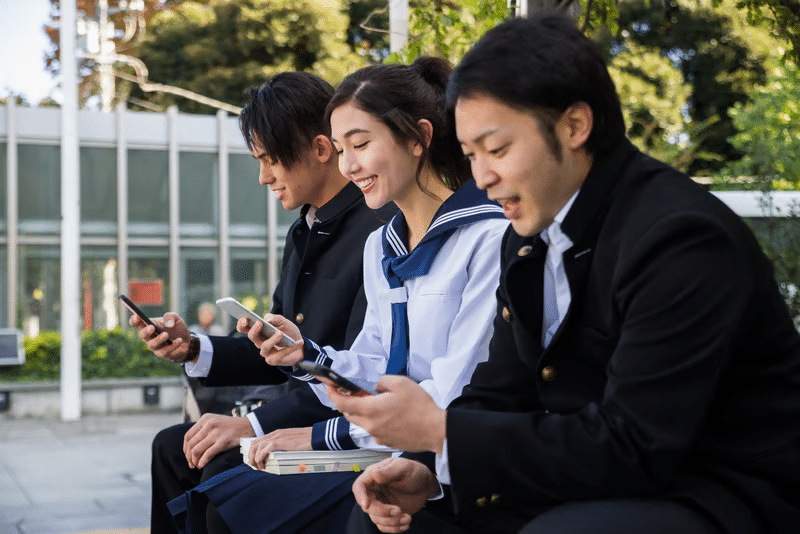
Whether you’re heading to Japan for a two-week language course, a semester-long exchange program, or a full academic year, staying connected is one of the first things you’ll need to arrange. A reliable Japan student eSIM makes it easy to access maps, translation apps, university portals, messaging services, and online classes from the moment you arrive.
Japan is one of the world’s most connected countries, with excellent mobile infrastructure covering major cities such as Tokyo, Kyoto, Osaka, Fukuoka, Sapporo, Nagoya, and many regional destinations. Students often rely on mobile data not only for everyday communication but also for navigation, banking, transport apps, lecture materials, and video calls with family back home.
Unlike traditional physical SIM cards, an eSIM can be activated before departure or immediately after landing. This means you don’t have to search for a SIM card vending machine or wait in line at the airport. Once activated, your phone connects to one of Japan’s trusted mobile networks, allowing you to begin exploring your new surroundings without interruption.
A student Japan eSIM is especially valuable because student travel rarely follows the same pattern as a short vacation. Some students spend most of their time on campus, while others travel extensively across Japan during weekends and school breaks. Your mobile data needs may also change over time, making flexibility just as important as affordability.
Japan Sim Data offers eSIM plans that operate on all three major Japanese mobile networks—NTT Docomo, SoftBank, and KDDI/au—giving students dependable coverage whether they’re attending lectures in Tokyo, staying with a host family in Hokkaido, or exploring historic neighborhoods in Kyoto. Flexible plan lengths, unlimited options, and straightforward activation make it easier to stay connected throughout your academic journey.
In this guide, you’ll learn how to choose the right Japan study abroad eSIM, understand the differences between short-term and long-term student travel, save money with budget-friendly plans, combine mobile data with campus Wi-Fi, and select the best connectivity solution for your study experience in Japan.

Short Study Trip vs Long Semester Abroad
Not every student travels to Japan for the same reason. Some participate in short educational tours lasting only a week or two, while others enroll in semester exchanges or year-long university programs. Understanding the differences helps you choose the right eSIM plan before you arrive.
Short-Term Study Programs
Short-term programs often include:
- Language schools
- Summer schools
- Cultural exchange programs
- University workshops
- Educational tours
- Research visits
Students attending these programs generally spend most of their day moving between accommodation, classrooms, tourist attractions, and public transportation.
Typical daily data usage includes:
- Google Maps
- Translation apps
- Messaging friends
- Uploading photos
- Accessing online learning platforms
- Watching occasional videos
For these travelers, a flexible Japan tourist SIM student alternative such as an eSIM is ideal because there’s no need to purchase a long-term contract. A plan covering the exact duration of the trip is usually the most economical option.
Semester or Exchange Programs
Students staying for several months have different connectivity requirements.
An Japan eSIM exchange student plan should support daily academic life, including:
- Accessing university learning systems
- Downloading lecture recordings
- Participating in online seminars
- Researching assignments
- Video conferencing
- Streaming educational content
- Weekend travel across Japan
Many exchange students also use navigation apps extensively while adjusting to a new city. Finding classrooms, supermarkets, train stations, medical clinics, and government offices often requires dependable mobile internet throughout the day.
Long-term students benefit from choosing plans that can easily be renewed or topped up instead of replacing their SIM repeatedly.
School Trips
Educational group tours are becoming increasingly common for international high schools and universities.
A Japan eSIM school trip solution allows students to stay connected while teachers maintain communication during excursions.
Examples include:
- Museum visits
- Historical site tours
- Factory visits
- University exchange activities
- Homestay programs
- Cultural workshops
For schools and travel organizers, Japan Sim Data also offers group purchasing options, making it easier to equip entire student groups with reliable connectivity before departure.
Choosing Based on Your Schedule
Before selecting your plan, ask yourself:
- How long will you stay?
- Will you travel outside your university city?
- How much video streaming will you do?
- Will you rely on campus Wi-Fi?
- Do you expect frequent video calls home?
Answering these questions helps determine whether a smaller daily allowance or an unlimited data plan provides the best value.
Budget-Friendly Plans and Top-Up Options
Students usually have limited budgets, making affordability an important factor when selecting a Japan eSIM budget solution.
Fortunately, choosing the cheapest plan isn’t always the smartest decision. The goal is to find a balance between price, coverage, flexibility, and enough data to support both academic and personal activities.
Estimate Your Monthly Data Needs
Different students use different amounts of mobile data.
Light users may primarily rely on university Wi-Fi and use mobile data only while commuting.
Typical activities include:
- Messaging apps
- Digital train tickets
- Maps
- Web browsing
Moderate users often stream music, browse social media, and occasionally join video calls away from campus.
Heavy users frequently upload assignments, watch lectures in HD, livestream, or create content for social media while traveling around Japan.
Knowing which category you fit into helps prevent paying for unnecessary data while avoiding expensive overage charges.
Flexible Top-Ups
One of the biggest advantages of an eSIM is the ability to add more data when needed.
Instead of replacing your SIM card, many plans allow convenient top-ups if:
- Your semester is extended.
- You travel during school holidays.
- You attend conferences.
- Family visits increase your travel around Japan.
- You consume more data than expected.
This flexibility makes a Japan student data plan much easier to manage throughout your stay.
Avoid Long Contracts
International students often don’t know exactly how long they’ll remain in Japan. Some extend their studies, while others return home earlier than planned.
Choosing flexible eSIM plans eliminates concerns about long-term contracts or cancellation fees, making them particularly suitable for visiting students and exchange participants.
Good Coverage Matters Too
Budget should never come at the expense of reliable connectivity.
Japan Sim Data provides access to Japan’s major carrier networks:
- NTT Docomo, known for broad nationwide coverage, including many rural areas.
- SoftBank, offering excellent performance in cities and popular travel destinations.
- KDDI/au, providing dependable speeds across urban and suburban Japan.
This means students can confidently travel between campus, dormitories, libraries, internship locations, and tourist destinations without worrying about inconsistent service.
eSIM Tips for University and Dormitory Wi-Fi Combinations

One of the biggest advantages of using a Japan eSIM university plan is that it complements—not replaces—your university and dormitory Wi-Fi. By combining both, you can reduce mobile data usage, improve security, and stay connected wherever you go.
Most universities in Japan provide campus-wide Wi-Fi for enrolled students. Libraries, lecture halls, cafeterias, laboratories, and student lounges typically have wireless internet available after you log in with your student credentials. Many universities also participate in international academic Wi-Fi networks, making it easier for exchange students to connect.
Dormitories vary significantly. Some provide high-speed fiber internet in every room, while others offer shared Wi-Fi with bandwidth limits during busy evening hours. Students living in private apartments may need to arrange their own internet service, which can take several days or even weeks after moving in. During that period, your Japan eSIM study plan becomes your primary connection.
Use Wi-Fi Whenever Possible
To make your mobile data last longer:
- Download lecture slides while connected to campus Wi-Fi.
- Update your phone and apps over Wi-Fi instead of mobile data.
- Back up photos and videos when you’re in your dorm.
- Download offline maps before weekend trips.
- Save streaming content for Wi-Fi whenever possible.
These simple habits help stretch your data allowance throughout the month.
Keep Mobile Data Ready
Even if campus Wi-Fi is excellent, you’ll spend plenty of time away from it. Mobile data is especially useful when:
- Commuting by train or bus
- Walking between classes
- Exploring new neighborhoods
- Meeting classmates off campus
- Traveling during weekends and holidays
- Waiting at stations or airports
A reliable Japan eSIM campus connection ensures you can always access navigation apps, transport schedules, and emergency information.
Stay Secure on Public Networks
Not all public Wi-Fi is equally secure. Cafés, shopping malls, and transportation hubs often offer free internet, but these networks may not be ideal for accessing university portals or online banking.
Using your eSIM connection for sensitive activities provides an extra layer of privacy and reliability, particularly when submitting assignments, checking financial information, or logging into academic systems.
Data-Heavy Student Scenarios
Some students use very little mobile data, while others depend on it throughout the day. Understanding your habits helps you choose the right plan.
Online Learning
Even while studying in Japan, many students continue taking courses from their home universities. Live video lectures, recorded classes, and cloud-based collaboration tools can consume several gigabytes of data each week.
If you regularly join video conferences away from Wi-Fi, consider an unlimited or higher-capacity plan.
Research Projects
Research students frequently download:
- Academic journals
- Large PDF textbooks
- Presentation files
- Scientific datasets
- Multimedia resources
These activities quickly increase monthly data consumption.
Content Creation
Many international students enjoy documenting their experiences in Japan through YouTube, Instagram, TikTok, or personal blogs.
Uploading high-resolution photos and videos while traveling can use substantial amounts of data. A Japan eSIM young traveler plan with generous allowances helps avoid interruptions during content uploads.
Weekend Travel
One of the greatest benefits of studying in Japan is the opportunity to explore the country during weekends and school holidays.
Students often visit:
- Tokyo
- Kyoto
- Osaka
- Hiroshima
- Nara
- Hakone
- Nikko
- Kanazawa
- Sapporo
- Okinawa
Travel days involve constant use of:
- Navigation apps
- Digital train tickets
- Translation tools
- Restaurant searches
- Hotel bookings
- Weather updates
- Attraction information
Reliable mobile connectivity becomes essential throughout these trips.
International Communication
Most students keep in regular contact with family and friends abroad using apps such as WhatsApp, FaceTime, Zoom, Microsoft Teams, Google Meet, or LINE.
Frequent video calls can significantly increase monthly data usage, especially if you’re not connected to Wi-Fi.
Educational Apps
Today’s students rely on numerous educational tools, including:
- Cloud storage
- Learning management systems
- AI study assistants
- Language learning platforms
- Digital flashcards
- Collaboration software
A dependable Japan eSIM educational solution ensures these resources remain accessible wherever you are.
Best Japan Sim Data Plans for Students
Every student’s needs are different, which is why Japan Sim Data offers flexible options rather than a one-size-fits-all approach. Whether you’re visiting for a short course, an exchange semester, or a full academic year, there’s a plan designed to match your schedule and budget.
For Short Courses
Students attending language schools, summer programs, or educational tours typically benefit from Day Pass or short-duration plans.
These provide reliable connectivity throughout the visit without paying for unnecessary extra days.
For Semester Exchanges
Exchange students generally need consistent service for several months. A renewable Japan eSIM semester plan offers the flexibility to continue using the same eSIM while adding more data as needed.
This avoids replacing SIM cards during your stay.
For Heavy Data Users
Students who frequently:
- Stream lectures
- Upload videos
- Conduct research
- Travel extensively
- Join online meetings
may prefer unlimited data options to avoid monitoring daily usage.
Coverage Across Japan
Japan Sim Data supports all three major Japanese mobile networks:
- Docomo offers extensive nationwide coverage, making it an excellent choice for students who travel beyond major cities. A Docomo student connection is particularly valuable during field trips and regional travel.
- SoftBank performs exceptionally well in urban areas where many universities are located. A SoftBank student Japan plan is ideal for students spending most of their time in cities.
- KDDI/au combines strong urban and suburban performance, making a KDDI student eSIM another dependable option for campus life and weekend exploration.
Because Japan Sim Data provides access to multiple networks, students can choose a plan that best matches their travel patterns.
Exchange Programs and Educational Groups
Universities, language schools, and educational tour operators organizing group travel can also benefit from Japan Sim Data’s bulk purchasing options.
Providing every participant with connectivity before departure simplifies communication throughout the trip, helping teachers, coordinators, and students stay connected from arrival to departure.
Conclusion
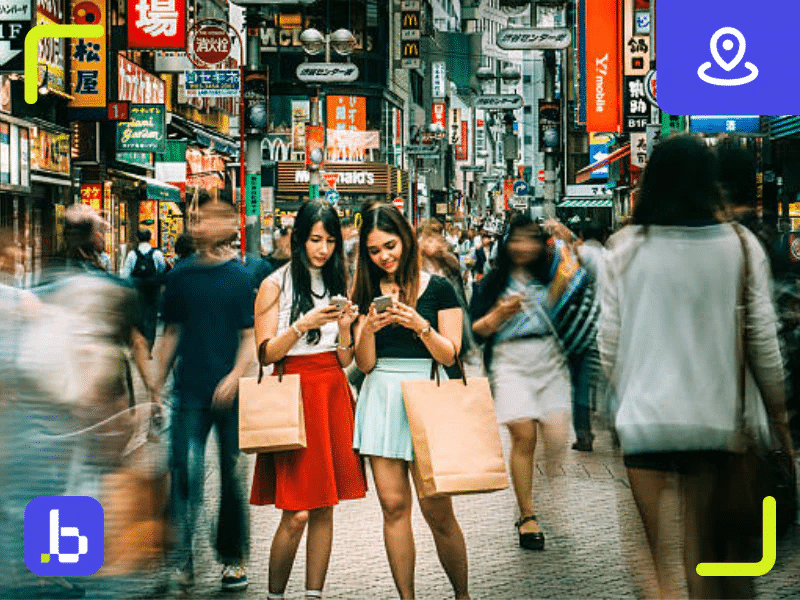
Choosing the right Japan student eSIM can make your study experience smoother from the moment you arrive. Whether you’re attending a two-week language course, participating in a cultural exchange, or spending an entire semester at a Japanese university, dependable mobile connectivity helps you navigate unfamiliar cities, access online learning resources, communicate with classmates, and stay in touch with family back home.
The best plan depends on your travel duration, daily data usage, and budget. Short-term students may prefer flexible Day Pass options, while exchange students and long-term visitors often benefit from renewable or unlimited plans that provide greater freedom throughout their stay. Combining your eSIM with campus and dormitory Wi-Fi is an excellent way to maximize value while ensuring you’re always connected when away from your accommodation.
Japan Sim Data makes it easy to stay online with eSIM plans that operate on Japan’s leading mobile networks—NTT Docomo, SoftBank, and KDDI/au. Whether you’re studying in Tokyo, Kyoto, Osaka, Fukuoka, Sapporo, or exploring the country during weekends, you’ll enjoy reliable coverage and flexible plans designed for international travelers. If you’re planning your next academic adventure, explore Japan Sim Data’s eSIM options and choose the plan that best supports your study experience in Japan.
Frequently Asked Questions
Q1: What is the best Japan student eSIM for study abroad?
A: The best Japan student eSIM depends on your stay length and data needs. Students on short courses often benefit from Day Pass plans, while exchange students usually prefer renewable or unlimited eSIM plans that provide consistent connectivity throughout the semester.
Q2: Can I use a Japan eSIM with university Wi-Fi?
A: Yes. A Japan eSIM works perfectly alongside university and dormitory Wi-Fi. Many students use campus Wi-Fi for lectures and downloads while relying on mobile data for commuting, travel, and off-campus activities.
Q3: Is an eSIM better than buying a physical SIM card in Japan?
A: For most compatible smartphones, yes. An eSIM can often be activated before arrival, eliminating the need to find a SIM card after landing. It also makes renewing or topping up your plan much easier.
Q4: Which mobile network is best for students in Japan?
A: NTT Docomo, SoftBank, and KDDI/au all provide excellent coverage across Japan. The best option depends on where you’ll study and travel. Japan Sim Data offers plans on all three networks, allowing students to select the one that best suits their needs.
Q5: Can schools and universities purchase eSIMs for student groups?
A: Yes. Japan Sim Data offers bulk purchasing options for educational institutions, travel agencies, and organized study tours. This simplifies connectivity for exchange programs, language schools, and school trips by providing reliable mobile service for all participants.