
Best eSIM for Tokyo: A Neighborhood-by-Neighborhood Guide
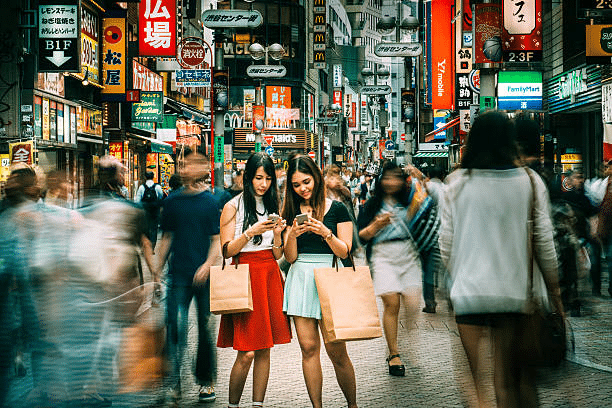
Tokyo is Japan’s most connected city — and given Japan’s overall network quality, that makes it one of the most connected cities on Earth. The density that makes Tokyo overwhelming on first arrival — the layered elevated highways, the Shinjuku station complex that serves over three million passengers daily, the twenty-three special wards that contain more population than many countries — is precisely the density that has driven telecommunications infrastructure investment to extraordinary levels. Coverage in central Tokyo is not merely adequate; it is uniformly excellent across all three major carriers, with the rare dead zone confined to specific basement infrastructure and the deepest underground mall corridors.
The tokyo esim question is therefore a different kind of planning exercise from the Hokkaido or Tohoku or Shikoku coverage discussions. In those regions, the primary question is which carrier provides coverage in specific rural or mountain areas. In Tokyo, the carrier differentiation is minimal for most travelers — all three carriers cover all neighborhoods, all transit lines (with minor exceptions), and all major visitor sites comprehensively. The Tokyo eSIM decision is primarily about data volume, plan type, and the specific use cases of the individual traveler: the tourist with heavy navigation and social sharing needs, the business traveler with video call requirements, the digital nomad working remotely, and the first-time visitor whose data consumption pattern is shaped by the overwhelming sensory experience of encountering Tokyo for the first time.
This guide covers Tokyo’s connectivity landscape neighborhood by neighborhood, explains the transit network coverage reality, addresses business travel and remote work considerations, and helps every type of Tokyo visitor find the right Japan Sim Data plan for their specific Tokyo experience.
Tokyo’s Density and Connectivity Strengths
Tokyo’s mobile network quality is the direct product of the competitive intensity between Japan’s three major carriers in one of the world’s most valuable urban markets. Docomo, SoftBank, and KDDI have all invested heavily in Tokyo’s network infrastructure, with 5G deployment accelerating throughout the city’s central wards. The result for the international visitor is a connectivity environment where network quality is essentially taken for granted — the question is never “will my eSIM work here?” but rather “how much data do I need and which plan serves my Tokyo visit best?”
This favorable connectivity baseline has a useful implication for the carrier selection question: in Tokyo specifically, all three Japan Sim Data networks perform with equivalent excellence for standard tourist and business traveler use cases. The docomo tokyo, softbank tokyo, and kddi tokyo coverage maps are essentially identical across Tokyo’s twenty-three special wards and the greater Tokyo metropolitan area. Tokyo travelers who subsequently travel to rural Japan need to consider carrier coverage for those destinations — but for Tokyo itself, the network selection decision can be made on plan type and price rather than coverage differentiation.
Coverage in Central Tokyo: Neighborhood by Neighborhood
Shinjuku eSIM
shinjuku esim connectivity is the most complex of Tokyo’s neighborhood coverage questions, because Shinjuku encompasses several distinct connectivity environments within a compact geographic area.
Shinjuku Station: Japan’s busiest station, serving over 200 exits and three million daily passengers, maintains excellent coverage throughout the station complex. Platform coverage, the underground Odakyu and Keio private line sections, and the extensive underground shopping and corridor network beneath the station all maintain signal across all carriers — a technical achievement given the infrastructure complexity involved.
East Exit (Kabukicho, Isetan, and entertainment district): The Kabukicho entertainment district, the Isetan department store area, and the Shinjuku alta building precinct are all within comprehensive coverage across all three carriers.
West Exit (Skyscrapers and government district): The Tokyo Metropolitan Government Building, the western skyscraper district including the Park Hyatt hotel (Lost in Translation setting), and the business towers along Nishi-Shinjuku Avenue have excellent coverage throughout.
Shinjuku Gyoen: Tokyo’s most beloved park provides open outdoor signal across all carriers — one of the Tokyo contexts where a photo upload works at full speed even during peak visitor periods.
Shibuya Mobile Data
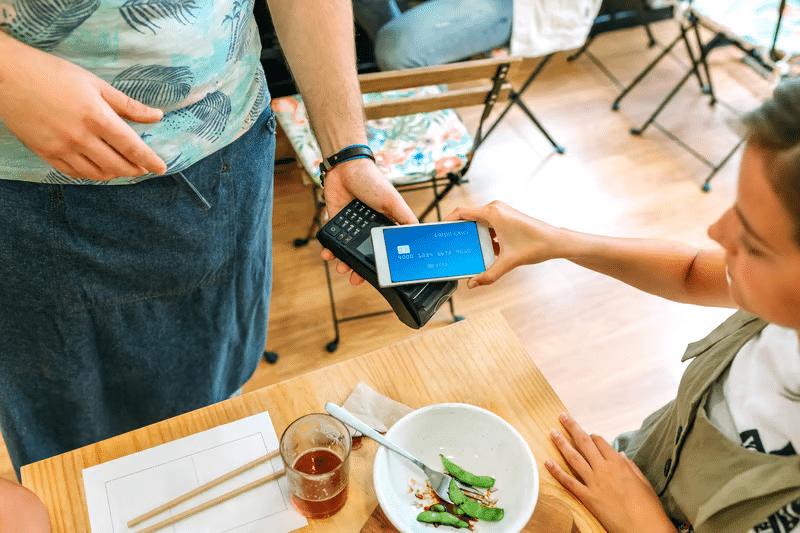
Shibuya’s famous crossing — where five pedestrian crossings converge simultaneously and up to 2,500 people cross at a time — is one of the world’s most photographed urban intersections, and connectivity here is excellent across all carriers.
The entire Shibuya area — Center-gai street, the Shibuya Sky observation deck atop the Shibuya Scramble Square skyscraper, Daikanyama’s design district ten minutes south, and the Nakameguro canal walk popular for its evening illumination — is comprehensively covered. Network congestion at Shibuya Crossing during peak hours (weekend evenings particularly) can slightly reduce upload speeds as thousands of visitors attempt simultaneous photo sharing — a connectivity peak that any carrier experiences equivalently.
Ginza eSIM
ginza esim connectivity reflects the premium retail district’s infrastructure — comprehensive across all carriers throughout the Ginza shopping blocks, the Tsukiji Outer Market (the tourist-facing part of Japan’s most famous fish market area), the Hamarikyu garden, and the Ginza Six and Itoya stationery landmark.
Ginza’s underground infrastructure — the Ginza subway line (Japan’s oldest), the Tokyo Metro connections, and the underground shopping corridors — maintains coverage throughout on all carriers.
Akihabara Internet
akihabara internet is thoroughly supported across all carriers in the electronics and anime district’s dense retail environment. The elevated JR Yamanote and Chuo-Sobu lines’ approach to Akihabara station, the main Chuo-dori electronics shopping street, and the multi-floor retail towers are all within comprehensive coverage. For travelers comparing prices between electronics shops using international shopping apps or translating Japanese specifications — one of Akihabara’s primary data use cases — any carrier provides the real-time data access needed.
Additional Central Tokyo Neighborhoods
Asakusa: The Senso-ji temple precinct, Nakamise-dori approach, and the surrounding Asakusa district are comprehensively covered across all carriers. The open Senso-ji courtyard provides particularly clear signal propagation.
Harajuku and Omotesando: Takeshita-dori’s intense pedestrian retail environment and the Omotesando boulevard’s luxury retail and café culture are both covered across all carriers.
Ueno: The Ueno Park museum complex, Tokyo National Museum (Japan’s largest), and the surrounding Yanaka area are within full urban coverage.
Roppongi: The Roppongi Hills and Tokyo Midtown complexes, with their museum, gallery, and rooftop observation facilities, are covered across all carriers.
Akasaka and Nagatacho: Tokyo’s political district surrounding the National Diet Building and government ministries is covered across all carriers.
eSIM Tips for Greater Tokyo: Yokohama, Chiba, and Saitama
Yokohama eSIM
yokohama esim requirements cover Japan’s second-largest city — a 30-minute train journey from central Tokyo and a major destination in its own right. Yokohama’s visitor sites — the Yokohama Chinatown (Japan’s largest), the Yamashita waterfront park, the Red Brick Warehouse complex, the Cup Noodles Museum, and the Sankeien garden — are all within comprehensive coverage across all carriers.
The bay area waterfront and Cosmoworld amusement park near Sakuragicho station have strong outdoor coverage. The Minato Mirai 21 bay development area — home to the Yokohama Landmark Tower observation deck and the Yokohama Grand Intercontinental Hotel — is covered throughout.
For the greater tokyo esim traveler using Yokohama as either a base or day trip from Tokyo, connectivity is never a concern for any carrier.
Beyond Yokohama
Chiba’s Disney Resort area (Tokyo Disneyland and DisneySea are technically in Chiba) is covered across all carriers, with the in-park connectivity supporting the Tokyo Disney Resort app that manages FastPasses, dining reservations, and wait time information. Saitama’s Omiya area, accessible from Tokyo’s northern Kita-ku, has urban coverage equivalent to Tokyo’s inner-city standard.
Data Usage for the Tokyo Metro and JR Yamanote Line
Metro and Subway Coverage
The japan esim metro coverage question is one that matters practically to Tokyo visitors, who use the subway system as their primary navigation tool throughout the city.
Tokyo Metro and Toei Subway coverage has improved dramatically over the past decade. As of 2026, the vast majority of the Tokyo Metro network — including platforms and inter-station tunnels — maintains 4G connectivity across all three major carriers. Brief signal drops may occur in specific deep tunnel sections and at some older infrastructure stations, but these are increasingly rare.
The practical experience: navigating Google Maps transit routing, checking train times, and messaging while underground in Tokyo works reliably across all carriers on almost all lines. The Tozai Line, Chiyoda Line, and Ginza Line platforms all maintain consistent signal. Brief tunnel coverage drops between specific station pairs occur occasionally but are rarely more than seconds in duration.
JR Yamanote Line
The JR Yamanote Line — the loop that connects Tokyo’s major neighborhoods in a 34-station circuit — maintains excellent coverage throughout its largely elevated route. The outdoor and elevated track sections provide unrestricted signal; the brief underground sections at specific stations maintain coverage through Japan Railway’s telecommunications infrastructure investment.
For the traveler using the Yamanote Line as their primary Tokyo navigation tool — moving between Shinjuku, Shibuya, Harajuku, Omotesando, Akihabara, Ueno, and Ikebukuro — connectivity is reliably available throughout for Google Maps, messaging, and real-time translation.
Business Travel and Remote Work Considerations
Japan eSIM Business in Tokyo
The japan esim business use case in Tokyo is one of the most favorable connectivity environments globally for business travelers. Tokyo’s network infrastructure — particularly the 5G deployment in the central business districts of Marunouchi, Shinjuku’s western skyscraper zone, and the Roppongi business tower corridor — delivers the low-latency, high-throughput connectivity that video calls and real-time document collaboration require.
Business travelers arriving at Narita or Haneda with pre-installed Japan Sim Data eSIMs have a working data connection from taxi to hotel to meeting room without any connectivity uncertainty. The taxi journey from Narita (60 minutes) maintains coverage on the Shuto Expressway and through the city approach. The Narita Express maintains coverage throughout the city approach sections.
Tokyo Remote Work Connectivity
For the digital nomad or business traveler using Tokyo as a remote work base, the city’s cafe and co-working infrastructure is exceptional — the Shibuya/Daikanyama cluster, the Shinjuku working cafe scene, and the Marunouchi business district’s co-working spaces all provide fiber WiFi for bandwidth-intensive tasks. The Japan Sim Data eSIM provides the in-transit and café fallback connectivity that complements this infrastructure.
Video calls from Tokyo hotel rooms, apartments, and co-working spaces on a Japan Sim Data plan work reliably — Tokyo’s urban network provides the call quality that business travelers require.
Best Japan Sim Data Plans for Tokyo Stays
For the Tourist Visitor (3–7 Days)
The standard Tokyo tourist visit — covering the neighborhood circuit, using the Yamanote and Metro systems, navigating between sites, eating at varied restaurant types (Tabelog use is essential for Tokyo’s extraordinary dining landscape), and sharing photos across social media — typically uses 1–3GB per day. A 10–15GB fixed data plan covers a week-long Tokyo stay for most traveler profiles without data management concern.
The tokyo data plan for this visitor type is the most straightforward decision in this guide: 10–15GB, any carrier, install before departure.
For the Extended Tokyo Stay (2+ Weeks)
Extended Tokyo visits — covering the city’s full neighborhood depth, extended shopping and cultural exploration, and the social media intensity of a prolonged Japan stay — benefit from 20GB or unlimited plans. The tokyo tourist sim for the traveler spending two to three weeks in Tokyo, who will accumulate significant daily data usage across navigation, translation, and social media, should be sized toward unlimited for peace of mind.
For Business Travelers
The japan esim business tokyo plan should be sized toward unlimited or 20GB+ for the combination of video calls, document access, real-time messaging across multiple time zones, and the higher data consumption of business travel that includes client entertainment, restaurant research, and the longer daily device usage of a business schedule.
For Tokyo Day Tripper from Kansai or Yokohama Base
The traveler using Tokyo as a day trip destination from a Kansai or Yokohama base — arriving by Shinkansen for a day of Akihabara, Asakusa, and Shibuya before returning to a regional accommodation — is well within any Japan Sim Data plan’s coverage for their Tokyo day. A 10GB plan that covers the full Japan itinerary serves the Tokyo day trip within its broader data allowance.
Network Selection for Tokyo
For Tokyo-only stays: any Japan Sim Data carrier provides equivalent excellence. SoftBank’s historical Tokyo consumer market strength makes it a competitive option; Docomo’s broader Japan coverage makes it the right choice for travelers using Tokyo as a base before or after rural Japan travel.
According to the Japan National Tourism Organization (JNTO), Tokyo is Japan’s most visited destination by international travelers, receiving over 15 million international overnight visitors in peak years. The GSMA identifies Tokyo as one of the world’s leading markets for eSIM adoption among international travelers, reflecting both Japan’s overall network quality and Tokyo’s position as a global gateway city.
Conclusion: Tokyo’s Connectivity Is as World-Class as Its Everything Else
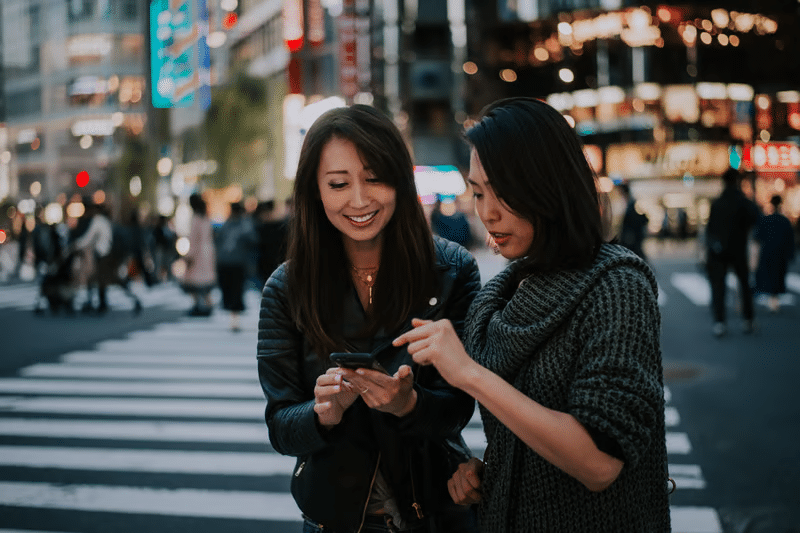
The tokyo itinerary esim planning exercise reaches a characteristically favorable conclusion for Japan’s capital city: any carrier works, any plan that matches your data needs covers you, and the coverage across Tokyo’s extraordinary breadth of neighborhoods, transit infrastructure, and vertical density is as reliably excellent as everything else about Japan’s most overwhelming city.
The decision to make is primarily about data volume — how heavily you’ll use navigation across Tokyo’s complexity, how actively you’ll share the experience on social media, whether you have business connectivity requirements, and whether you’ll continue to a rural Japan itinerary where carrier selection becomes more significant.
Japan Sim Data’s eSIM plans on Docomo, SoftBank, and KDDI networks for Tokyo and beyond are available at wordpress-1493298-6069223.cloudwaysapps.com — install before your flight, activate on landing, and arrive in Tokyo with connectivity that matches the city’s world-class standard from the first moment.
Frequently Asked Questions
Q1: Does eSIM work on the Tokyo Metro and underground sections?
A: Yes. Tokyo Metro and Toei Subway coverage has been significantly expanded and now maintains 4G connectivity across the vast majority of the network, including most underground sections. Brief signal drops occur occasionally in specific deep tunnel sections between some stations but are increasingly rare. Navigation and messaging work reliably throughout most of the Tokyo subway journey.
Q2: Which carrier is best for Tokyo?
A: All three carriers — Docomo, SoftBank, and KDDI — provide equivalent coverage excellence throughout central and greater Tokyo. There is no meaningful coverage differentiation for Tokyo-specific use. Travelers continuing to rural Japan after Tokyo should specify Docomo for its superior rural and mountain coverage; for Tokyo-only stays, any carrier is equally appropriate.
Q3: How much data does a week-long Tokyo visit typically consume?
A: A typical tourist week in Tokyo — covering major neighborhoods, using the metro system, translating menus and signage, and moderately sharing on social media — uses approximately 1–3GB per day, or 7–21GB for a week. A 10–15GB plan covers most tourist visitor profiles; heavy social media users and content creators should consider 20GB or unlimited.
Q4: Is there coverage at Narita and Haneda airports?
A: Yes. Both Narita International Airport and Haneda Airport (Tokyo International Airport) have comprehensive coverage across all carriers throughout their terminal and transit areas. Arriving travelers with pre-installed Japan Sim Data eSIMs will find their connectivity active immediately on landing — before reaching immigration, typically.
Q5: Can I use a Tokyo eSIM for business video calls?
A: Yes. Tokyo’s urban network infrastructure — particularly in the business districts of Marunouchi, Shinjuku West, and Roppongi — delivers the low-latency, stable connectivity that video calls require. Business travelers using Japan Sim Data eSIMs for Zoom, Google Meet, or Teams calls in Tokyo hotel rooms, co-working spaces, and business meeting environments consistently report call quality equivalent to fiber broadband standards.