

Best eSIM for Japan Ski Season: Niseko, Hakuba, Nozawa, and Beyond
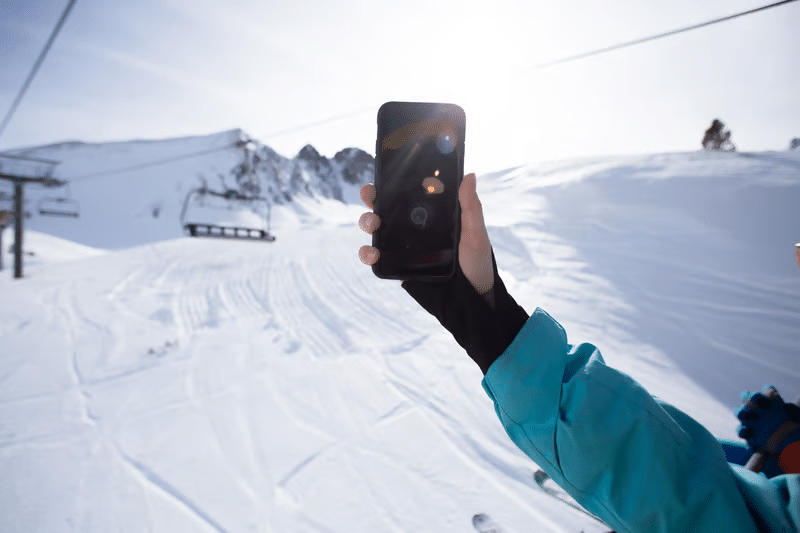
Japan’s ski season is one of the world’s great winter travel experiences — a combination of legendary powder snow, extraordinary food culture, traditional onsen culture that makes après-ski genuinely restorative, and a resort hospitality standard that reflects Japan’s broader service excellence. Niseko’s Hokkaido powder has become globally famous, attracting skiers from Australia, Southeast Asia, and increasingly Europe who have discovered that Japan’s winter is as extraordinary an experience as its spring cherry blossom season. Hakuba’s Olympic credentials draw those who want competitive terrain alongside cultural depth. Nozawa Onsen’s traditional village character combines skiing with an authentic onsen experience that purpose-built resort towns cannot replicate.
The japan ski esim question is one of the most practically important connectivity planning decisions in Japan seasonal travel. The mountain environment creates specific coverage challenges. The international traveler demographic of Japanese ski resorts has higher connectivity expectations than average. And the specific data use cases of ski tourism — lift apps, snow condition services, weather forecasting, group coordination on and off the mountain, and the intensive après-ski social media documentation that Japan’s powder photography culture generates — create a data profile that requires specific plan sizing rather than generic Japan tourism data allocation.
This guide covers every major Japan ski resort’s connectivity profile, the backcountry and off-piste connectivity reality, the data use cases specific to ski tourism, and the Japan Sim Data plan configurations best suited to the world’s greatest powder ski destinations.
Japan Ski Season Connectivity: The Mountain Challenge
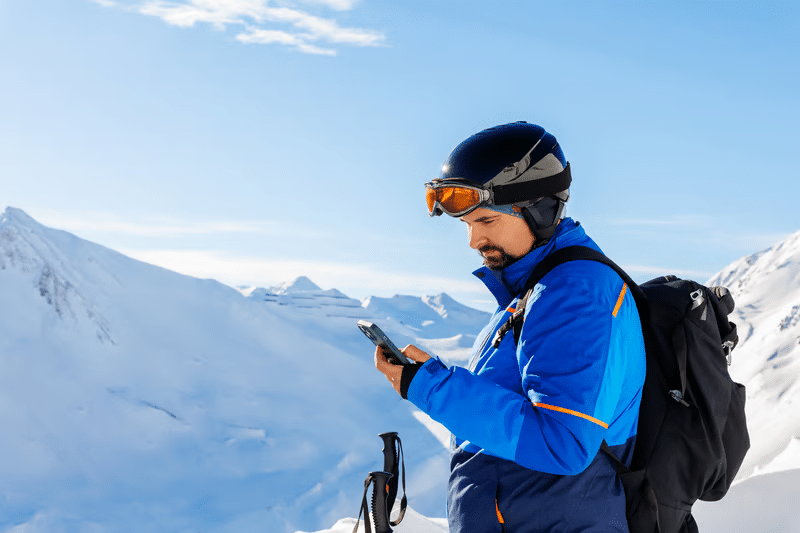
Mobile network coverage at ski resorts globally is a function of topography, population, and tourism infrastructure investment. Japan’s major ski resorts have seen significant connectivity improvement as their international visitor profiles have grown — the demand signal from Australian, Singaporean, and Hong Kong skiers with high connectivity expectations has driven resort WiFi investment and carrier network attention at major resorts that smaller domestic markets might not have generated.
The result: Japan’s major international ski resorts have significantly better connectivity than equivalent mountain terrain without resort development. But the mountain environment still creates coverage patterns that flat urban connectivity maps don’t capture — ridge shadows, valley positions, and high-altitude terrain all affect signal propagation in ways that make resort-specific coverage research valuable.
Coverage at Major Japan Ski Resorts
Niseko eSIM
niseko esim planning covers Japan’s most internationally prominent ski destination — the Niseko United four-resort linked area (Grand Hirafu, Niseko Village, Annupuri, and Hanazono) that receives consistently high snowfall from Siberian weather systems and has attracted the most developed international ski tourism infrastructure in Japan.
Village and Base Area Coverage: The Hirafu village base area — Niseko’s primary international hub with its density of restaurants, bars, rental shops, and international accommodation — has strong coverage across all three carriers. Shopping, après-ski communication, and restaurant research all work reliably from the village base on any Japan Sim Data network.
On-Mountain Coverage: docomo ski resort coverage at Niseko extends up the mountain more consistently than other carriers. The main lift corridor from the Hirafu base area, the gondola ascent, and the primary bowl areas have Docomo coverage adequate for messaging and moderate data use. The upper powder areas above the main lift infrastructure — the powder zones accessed from the Annupuri and Hanazono areas that draw the most serious backcountry-adjacent skiing — have progressively limited coverage on all carriers, with Docomo extending further than SoftBank or KDDI.
The Backcountry Note: True Niseko backcountry — the out-of-bounds powder zones that are accessible with appropriate gear and guide services — should be treated as outside reliable coverage from any carrier. Safety protocols for backcountry Niseko skiing should not include mobile connectivity as a reliable component.
Hakuba eSIM
hakuba esim planning covers the Hakuba valley’s multiple linked resorts — Happo-One (the 1998 Winter Olympics venue), Hakuba47/Goryu, Hakuba Norikura, Cortina, and Iwatake — spread across a valley that requires shuttle bus or car access between resort areas.
Happo-One Coverage: The main Happo-One resort, as Hakuba’s most developed international venue, has the best coverage in the valley. Docomo and KDDI both provide coverage throughout the main resort terrain; SoftBank is adequate in the base area.
Cortina: Cortina’s powder skiing draws serious skiers who prioritize deep snow over resort amenity — and its more remote position in the valley correlates with less telecommunications infrastructure. Docomo provides the most reliable coverage at Cortina; softbank hakuba coverage at Cortina is less consistent.
Cross-Valley Transit: The shuttle bus transfers between Hakuba resorts pass through valley floor territory with adequate Docomo coverage throughout the transit corridor.
Nozawa Onsen Mobile Data
nozawa mobile data requirements cover one of Japan’s most beloved traditional ski and onsen destinations — a genuine hot spring village that predates the ski lifts by centuries, where the communal outdoor baths (soto-yu) are managed by the village community and visitors are expected to follow local customs.
Coverage in Nozawa’s compact village is adequate on Docomo in the main streets and around the ski area base. The mountain terrain above the village has coverage extending up the main groomed runs on Docomo, with the upper mountain and off-piste zones becoming more coverage-limited.
Nozawa’s village character — the narrow lanes, the traditional buildings, the outdoor footbaths — generates the kind of photography that Japan ski culture is built on. Connectivity in the village is reliable enough for the social sharing this environment inspires.
Furano Internet
furano internet connectivity covers central Hokkaido’s most celebrated ski resort — a destination that combines excellent skiing (the resort sits within the bowl of a former volcano) with the summer lavender fields that have made Furano one of Japan’s most recognizable countryside images.
Coverage in the Furano ski resort base and the Furano town is adequate on Docomo. The upper mountain terrain has coverage in the main lift corridors with the expected progressive thinning at higher elevations and off-piste zones. Furano’s rural Hokkaido location means that Docomo’s coverage advantage in Hokkaido’s rural areas applies here — for the road connections between Furano and other Hokkaido destinations, Docomo is the carrier that maintains signal across the rural distance.
Rusutsu eSIM
rusutsu esim planning covers one of Hokkaido’s largest ski areas — the Rusutsu Resort’s three interconnected mountains in the Niseko area’s southern extension, popular with Japanese domestic skiers and growing international following. Coverage at Rusutsu follows the Hokkaido resort pattern: adequate in the hotel and resort base areas, Docomo-dependent in the upper mountain sections. kddi niseko area coverage at Rusutsu is adequate for base area use.
eSIM Tips for Off-Piste and Backcountry Travelers
japan esim backcountry Coverage Reality
The most important connectivity preparation for backcountry and off-piste Japan ski travelers is honest expectation-setting: reliable mobile coverage beyond resort boundaries is not available from any carrier in the mountain terrain that serious backcountry skiing occupies.
This has practical safety implications that go beyond connectivity planning:
- Backcountry ski safety protocols should include personal locator beacons (PLBs) or avalanche transceivers with GPS capability that function independently of mobile networks
- Emergency communication in true backcountry should rely on satellite messenger devices (Garmin inReach, SPOT) rather than mobile phone connectivity
- Group rendezvous planning for backcountry days should be established in the resort base area before departure, with specific timing and location protocols that don’t depend on real-time communication
For skiers in the resort boundary zone that edges into the backcountry terrain — the tree runs off the main lift infrastructure, the side-country accessible from resort lifts with a short hike — Docomo provides the best coverage, but signal should be treated as potentially unavailable rather than reliably present.
Avalanche and Safety App Considerations
Japan’s avalanche safety information (available through Navitime, the Japan Meteorological Agency, and resort-specific channels) requires data access. Checking avalanche reports before each backcountry day should happen from the hotel or resort base area where coverage is reliable — not from the mountain where coverage is variable and the moment of decision may be coverage-absent.
Data Usage for Lift Apps, Weather, and Photo Backups
Lift Apps and Resort Information
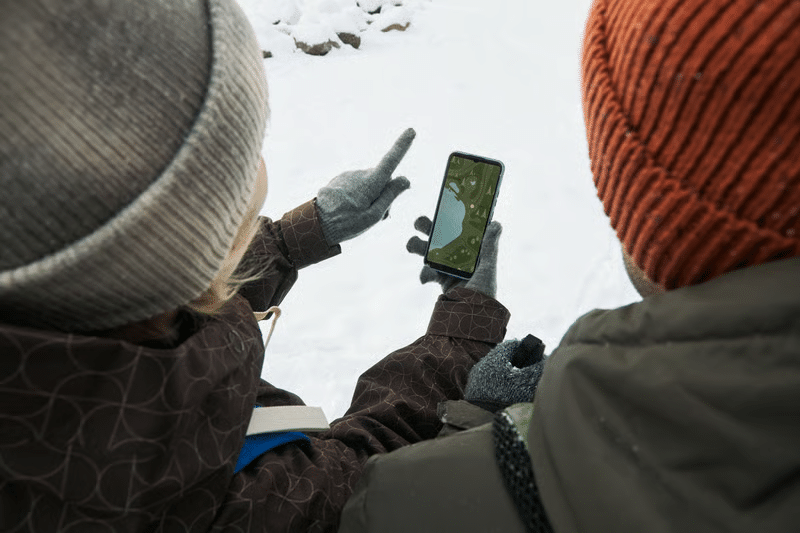
Japan’s major ski resorts provide apps for lift status, wait times, slope conditions, and resort maps. The Niseko United app, Hakuba resort apps, and Google Maps integrations with resort trail maps all require data for real-time information. Data consumption from these apps is modest — primarily brief data requests for condition updates — but requires coverage in the resort zone.
The practical approach: check lift status and conditions from the hotel before heading to the mountain. Resort base areas with Docomo coverage allow real-time condition checking from the lift queue or mid-mountain restaurant.
Weather Forecasting
ski japan data plan weather requirements are higher than general Japan tourism, because powder ski culture is intensely weather-dependent. The powder alert services that notify Niseko’s international skier community of incoming storm systems and expected accumulation are some of the most closely watched Japan ski season data sources. Weather apps for Japan ski season include:
Snow-forecast.com — The most widely used international powder forecast service for Japan ski resorts, providing resort-specific accumulation forecasts that Niseko’s community follows obsessively.
Windy.com — Mountain weather visualization used by expert skiers and guides for wind and storm system analysis.
Japan Meteorological Agency (JMA) — Official forecast with regional mountain weather data.
Weather forecast data consumption is modest but daily — checking conditions each morning before the ski day contributes to the consistent daily data load of a Japan ski trip.
Photo Backup During Ski Season
Japan ski photography — the powder explosion shot, the tree run through waist-deep snow, the onsen steam against a snow-covered forest backdrop — is among the most visually compelling sports photography in the world, and Japan’s ski season visitors document intensively. GoPro and phone camera footage from ski days generates large file sizes that create the same upload timing challenge as sakura season photography:
Capture during the day, upload in the evening. The après-ski period — when the group has returned from the mountain, the day’s footage has been reviewed and edited, and the hotel or ryokan provides WiFi — is the optimal upload window. Attempting to upload large video files from on-mountain locations risks slow upload speeds and unpredictable data consumption.
Configure auto cloud backup to WiFi-only to prevent unintentional large uploads consuming eSIM data during the ski day.
Long-Stay Ski Trips vs Weekend Visits
Weekend Ski Visits
The typical Japan weekend ski visit — two to four days at Niseko or Hakuba from a Tokyo or Osaka base — has straightforward connectivity requirements: Docomo for mountain coverage, 10–15GB for the data needs of a short intensive ski visit.
Long-Stay Ski Trips
japan ski itinerary esim planning for the extended ski season stay — the two-week or monthly Niseko residency that Australia’s ski community has built around the Hokkaido powder season — has different connectivity requirements:
Duration beyond standard eSIM plan coverage: Japan Sim Data’s plan options for long-stay skiers include extended validity and unlimited plans appropriate for stays of two to six weeks. The digital nomad and remote working ski community — those combining Japan powder skiing with professional remote work obligations — should specify unlimited plans sized for both skiing and work data demands.
WiFi supplement: Extended stay accommodation in Niseko, Hakuba, and other international resorts typically provides better WiFi than rural Japanese onsen towns — the international accommodation market has driven WiFi quality investment. Long-stay skiers can supplement eSIM data with accommodation WiFi for large work file transfers and video calls, using eSIM for on-mountain and in-transit connectivity.
Apres-ski remote work: The growing “ski and work” segment — remote workers combining a Japan ski season with professional obligations — should size their plans for the combined data demands of skiing connectivity and remote work needs. Unlimited is the appropriate specification for this profile.
Best Japan Sim Data Plans for Ski Season
Network Recommendation
The japan esim winter network recommendation is Docomo without qualification. Every Japanese ski resort that offers meaningful terrain beyond the resort base area benefits from Docomo’s mountain coverage advantage — from Niseko’s upper powder zones to Hakuba’s remote Cortina resort to Furano’s upper volcanic bowl. For transit between ski resorts and across Hokkaido’s rural landscape, Docomo’s rural coverage advantage applies equally.
Plan Sizes
Weekend ski visitor (2–4 days): 10GB on Docomo provides comfortable coverage for a short intensive ski visit including resort apps, weather checking, après-ski social sharing, and in-resort navigation.
One-week ski trip: 20GB or unlimited depending on photography intensity and social sharing habits. Active social media users and GoPro footage sharers should choose unlimited; lighter users can manage on 20GB with WiFi upload discipline.
Long-stay ski season (2+ weeks): Docomo unlimited without question. The combination of extended duration, variable WiFi availability at mountain accommodation, work connectivity for the remote work ski community, and the photography volume that a Japan ski season generates make unlimited the appropriate and economical choice for extended stays.
According to the Japan National Tourism Organization (JNTO), Japan’s ski tourism market has grown substantially, with Hokkaido and Nagano prefectures consistently ranking as top international ski destinations in Asia. The GSMA identifies winter sports tourism as a high-value eSIM use case, with Japan’s ski resorts among the most significant mountain tourism connectivity environments globally.
Conclusion: Powder Japan Needs Docomo Coverage
Japan’s ski season is one of travel’s great winter experiences — the powder, the onsen, the food, the resort hospitality, and the extraordinary natural environment of Japan’s mountain regions combine into something no other ski destination quite replicates. Connectivity that works from the mountain resort to the village après-ski, from the lift queue conditions check to the evening powder edit upload, is the practical foundation that makes this experience fully navigable.
Docomo is the Japan ski eSIM network for every resort and every condition. Japan Sim Data’s Docomo-network plans for ski season — from weekend visitor data packages to extended-stay unlimited plans for the long-haul powder devotee — are available at wordpress-1493298-6069223.cloudwaysapps.com. Install before departure, activate on landing at New Chitose or Narita, and spend less time troubleshooting connectivity and more time in the powder.
Frequently Asked Questions
Q1: Which carrier has the best coverage at Niseko ski resort?
A: Docomo provides the most consistent coverage across Niseko’s full resort terrain, including upper mountain areas and the bowl zones above the main lift infrastructure. SoftBank and KDDI provide adequate coverage in the Hirafu village base area. For on-mountain coverage beyond the resort core, Docomo is the network specification.
Q2: Is there mobile coverage in Japan ski backcountry terrain?
A: No reliable coverage exists in true backcountry terrain beyond resort boundaries. Backcountry safety should rely on PLBs, avalanche transceivers with GPS capability, and satellite messenger devices rather than mobile phone coverage. Treat backcountry terrain as completely offline from a mobile connectivity perspective.
Q3: What data plan is best for a two-week Niseko ski trip?
A: Docomo unlimited is the clear recommendation for a two-week Niseko stay. The combination of extended duration without reliable daily WiFi supplement, intensive photography and video documentation, resort app and weather service use, and potential remote work data needs for the working skier community all favor unlimited data on Japan’s most comprehensive mountain network.
Q4: How do I check powder conditions at Japan ski resorts?
A: Snow-forecast.com, Windy.com, the Japan Meteorological Agency app, and resort-specific apps (Niseko United, Hakuba resort apps) provide the powder and condition forecasting that Japan’s ski community uses. Check conditions from hotel or resort base area WiFi or Docomo eSIM coverage before heading to the mountain each day.
Q5: Does my Japan ski eSIM work during the transfer bus between Hakuba resorts?
A: Yes. Docomo provides coverage throughout the valley floor transit corridor used by shuttle buses between Hakuba’s various resort areas. The resort-to-resort transfer is one of the most comfortable connectivity windows of the ski day — good for condition checking at the next resort, messaging group members, and planning the afternoon’s skiing before arrival.