
Cruise Line Playbook: Providing eSIMs to Japan-Bound Passengers
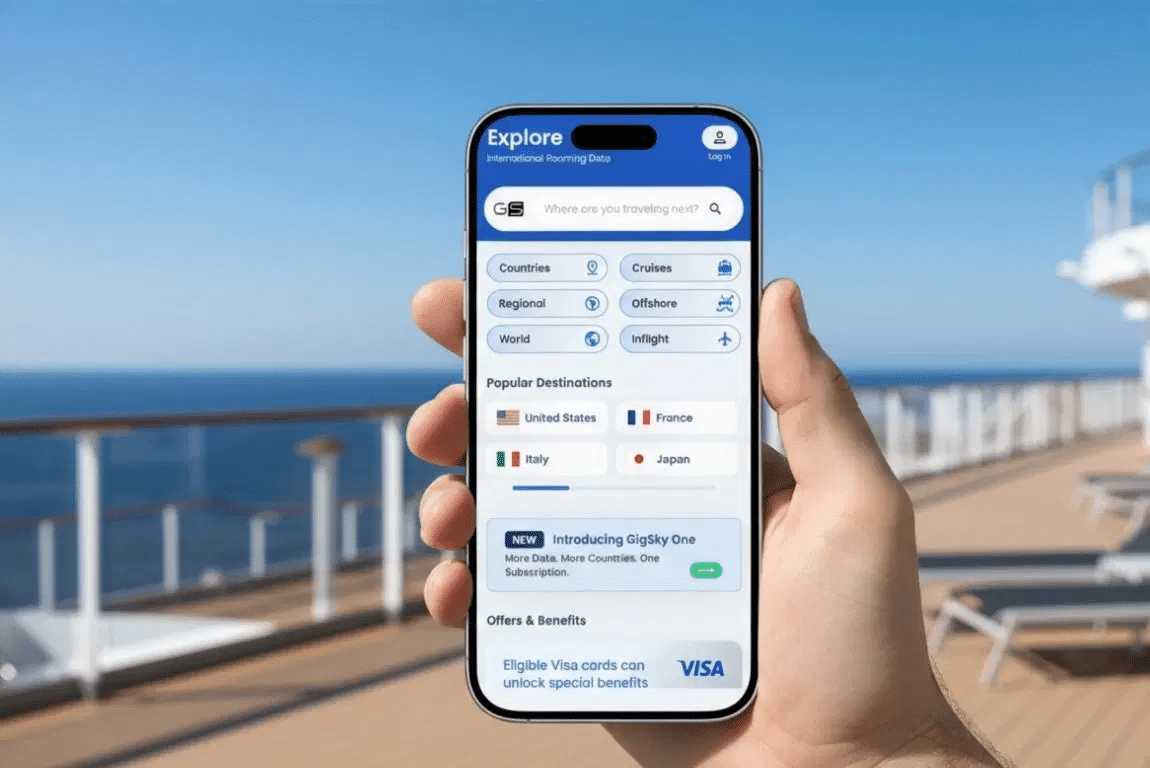
The connectivity gap in cruise travel is well understood by cruise operators. Passengers often queue at airport-style SIM kiosks when ships dock in Japan. Others rely on satellite WiFi packages during shore excursions. However, real-time navigation and translation in Japanese ports require faster and more reliable connectivity.
The cruise line Japan eSIM opportunity addresses this gap directly. It provides Japan connectivity as a pre-arranged onboard product. Passengers no longer need to solve their connectivity needs independently at each Japanese port.
For cruise operators running Pacific itineraries with multiple Japanese ports, a structured Japan eSIM product offers two benefits. First, it creates an additional revenue opportunity. Second, it improves the guest experience. It can reduce the frustration and safety concerns that may arise when passengers arrive without reliable local connectivity.
What This Cruise Japan eSIM Playbook Covers
This playbook covers the main elements of a cruise Japan eSIM product. It explains the differences between cruise and land-based eSIM distribution. It also compares Day Pass and fixed data plan options.
In addition, it examines coverage across Japan’s major cruise ports. Pricing and packaging strategies are also covered. Finally, the guide explains how the Japan Sim Data partnership infrastructure can support cruise operator eSIM programs.
The Cruise Connectivity Gap: Why It Differs From Land Tourism
The Structural Mismatch
Land-based Japan eSIM distribution is designed around a continuous stay. A traveler arrives, activates the eSIM, and uses it throughout the trip.
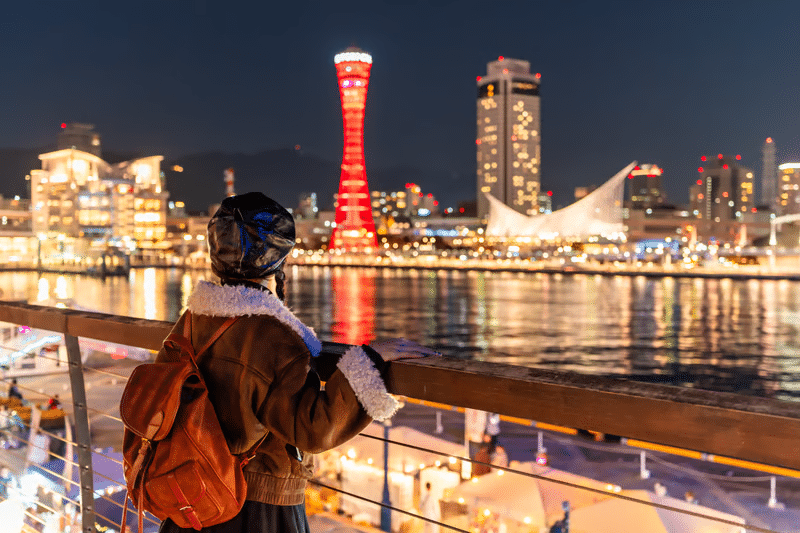
Cruise Japan connectivity works differently. Passengers usually need Japanese network access during specific port-day windows. For example, they may spend eight to twelve hours in Yokohama or eight hours in Kobe. A Nagasaki visit may last an entire day.
Between these port visits, passengers may spend several days at sea. During those periods, Japanese mobile data is generally unnecessary.
Therefore, the Japan eSIM voyage structure should reflect the cruise itinerary. A port-day product can activate when the device connects to a Japanese carrier. It then provides data during the shore excursion period.
As a result, passengers pay for the connectivity they actually need. They do not have to pay for Japanese data during sea days.
This structural match between the Day Pass model and cruise port schedules forms the foundation of a cruise eSIM product.
Why Satellite WiFi Is Not Enough
Cruise ship satellite WiFi packages are designed primarily for shipboard use. They work well for messaging, email, and social media. However, they may not provide the same experience as terrestrial mobile connectivity during a busy port day.
Navigation: Google Maps requires responsive connectivity for route updates and map loading. Satellite connections can introduce noticeable delays. Therefore, real-time navigation may feel less responsive during shore excursions.
Translation: Google Translate’s camera feature can require quick communication with online services. With higher latency, image translation may take longer.
Reliability: Satellite connectivity can also vary during port approaches and departures. By comparison, Japanese carrier networks may become available as the ship approaches the coast.
For these reasons, a Japan Sim Data Day Pass eSIM can provide a more practical connectivity option for shore excursions. Passengers can use terrestrial mobile networks when they are in Japan rather than relying entirely on the ship’s satellite connection.
Pre-Departure Activation Options
The Cruise Pre-Departure Distribution Challenge
Cruise passenger eSIM distribution has a timing challenge that land-tour distribution does not. Passengers may board the ship outside Japan. The first Japanese port may then be several days or even weeks into the voyage.
Therefore, the distribution model must work across this longer timeline.
Model 1 — Pre-Voyage Email Distribution
This is the most straightforward model. Japan eSIM QR codes are distributed to passengers who purchase the product before embarkation.
The QR code can be included in the passenger’s pre-voyage documentation pack. Passengers can then install the eSIM at home using WiFi.
As a result, the eSIM is ready when the ship approaches the first Japanese port.
This model works particularly well for passengers with reliable home WiFi. Moreover, the installation window can extend for weeks before sailing. That gives passengers more time to troubleshoot compatibility or installation issues.
Model 2 — Onboard Distribution
Passengers can also purchase the Japan eSIM onboard before reaching Japanese ports. QR codes can then be delivered through the cruise line’s onboard messaging system or email.
This approach can work through the ship’s internal network. Therefore, passengers may not need a paid satellite WiFi package simply to receive the installation information.
However, eSIM installation requires WiFi for the QR code scan and profile download. If the ship provides suitable internal WiFi, passengers can complete the installation onboard.
Cruise operators should confirm this pathway with their IT teams before offering onboard installation.
Model 3 — Port Destination Desk Activation
Some passengers will miss both pre-voyage and onboard distribution. For these customers, a destination desk can provide a final purchase and activation opportunity during a Japanese port call.
This model requires staff who can support eSIM installation. Therefore, it is more operationally demanding than digital distribution.
However, it can capture passengers who decide to purchase connectivity shortly before going ashore.
Onboard vs. Shore-Day Plan Architecture
Day Pass: The Cruise-Native Product
The Japan eSIM port-day Day Pass is designed specifically for the cruise use case. The Day Pass activates on a calendar-day basis.
Passengers are charged for Japan connectivity only on the days they use it. Consequently, sea days between Japanese ports do not consume plan value.
Example of a Cruise Day Pass
Consider a cruise itinerary with four Japanese ports:
- Yokohama
- Kobe
- Hiroshima/Miyajima
- Nagasaki
The passenger can use four Day Pass activations. Sea days between these ports do not consume additional Japan connectivity days.
Therefore, passengers pay for the Japanese port days they actually use.
Day Pass Cruise Packaging
Cruise operators can package Japan eSIM Day Passes in several ways. They can offer a separate purchase for each port or create one package covering the entire Japanese itinerary.
Per-port purchase: Passengers purchase a Day Pass for each Japanese port they plan to visit. This option provides flexibility for passengers who may skip individual ports.
Voyage Japan package: A single Japan eSIM package can cover all Japanese ports on the itinerary. The package can be priced below the combined cost of individual Day Passes.
This second option can simplify purchasing. It can also help the operator capture the passenger’s full Japan connectivity needs in one transaction.
Short Fixed Data Plans for Japan-Intensive Itineraries

Day Passes are not always the best option. Some cruises visit Japan frequently over a short period.
For example, a Japan-intensive itinerary may visit Hokkaido, Tohoku, Kanto, Kansai, and Kyushu within 10 to 14 days. In that situation, a short fixed data plan may provide better value.
Consider a ten-day cruise with eight Japanese port days. A 10-day unlimited plan or a 15GB fixed plan could cost less than eight separate Day Pass activations.
Therefore, cruise operators can offer both options. Passengers can then choose based on their itinerary and expected data usage.
Port-by-Port Coverage Across Japan’s Major Cruise Ports
Coverage Assessment by Port
The original recommendation in this playbook is to use Docomo-based connectivity across major Japan cruise ports. Docomo’s broad national coverage can support passengers who travel beyond the immediate port area.
However, coverage can vary by location. Therefore, the most suitable network can depend on the passenger’s excursion route.
Yokohama and Tokyo
Coverage is comprehensive across Yokohama’s port area. Connectivity also extends along the main travel corridor toward central Tokyo.
Passengers taking day trips into Tokyo can therefore use mobile data for navigation, translation, and communication.
Network recommendation: Any major Japanese carrier can work well for Yokohama and Tokyo itineraries because the urban environment has extensive coverage.
Kobe, Osaka, and Kyoto
Coverage is strong throughout Kobe and the Osaka-Kyoto corridor. This is important because many cruise passengers travel inland for day excursions.
The region’s extensive urban network supports navigation and translation throughout most popular tourist areas.
Network recommendation: Any major carrier can work well for Kobe and Kansai day excursions.
Nagasaki
Nagasaki has strong coverage in the main tourist areas. However, passengers traveling into hillside neighborhoods or less-central locations may benefit from broader network coverage.
Docomo can be a strong choice for excursions beyond the immediate tourist circuit.
Network recommendation: Docomo is recommended for passengers visiting areas beyond the central tourist zone. Other major carriers can also work well for standard attractions such as Glover Garden, Peace Park, and Chinatown.
Okinawa and Naha
All major carriers provide coverage in central Naha and the main tourist corridors.
However, passengers traveling toward northern Okinawa or more remote destinations may benefit from broader coverage.
Network recommendation: Docomo is recommended for northern-island and more remote excursions.
Hakodate and Otaru
Hokkaido cruise passengers may travel beyond the immediate port areas. Therefore, network breadth becomes particularly important.
Docomo is recommended for Hakodate and Otaru itineraries, especially when excursions extend into rural parts of Hokkaido.
Hiroshima and Miyajima
Coverage is good across Hiroshima’s main tourist areas. Passengers visiting the Hiroshima Peace Memorial area should have reliable connectivity with major Japanese carriers.
Miyajima also has adequate connectivity. Therefore, passengers combining Hiroshima and Miyajima can use mobile data throughout much of the excursion.
Network recommendation: Docomo is recommended for the Hiroshima and Miyajima combination.
Pricing and Packaging Options
Revenue Architecture for Cruise eSIM Products
Cruise operators can structure Japan eSIM products in several ways. The right model depends on the cruise brand, passenger profile, and voyage structure.
Included Connectivity for Premium Itineraries
Premium and ultra-luxury cruise operators can include Japan port-day connectivity in the cruise fare.
The cruise line absorbs the wholesale Day Pass cost. In return, passengers receive connectivity as part of the voyage experience.
This approach can create a useful guest-experience differentiator.
For example, the marketing message could focus on convenience: Japan port connectivity is arranged before passengers board.
Onboard Purchase
The standard ancillary revenue model is to sell Japan eSIM packages onboard.
The product can be offered through the excursion desk, onboard shopping portal, or dedicated connectivity desk.
The operator can then apply a retail price that includes its margin.
Possible packages include:
- Single-port Day Pass: One Japan connectivity day for an individual port visit.
- Full Japan itinerary package: Coverage for all Japanese ports at a package price.
- Data volume upgrade: Higher-data or unlimited options for passengers with greater usage needs.
Pre-Voyage Online Purchase
Cruise operators can also offer Japan eSIM packages through their pre-voyage portal.
This allows passengers to purchase connectivity before embarkation. They can also complete installation in a familiar environment with reliable home WiFi.
Moreover, passengers have more time to review the product and resolve installation problems before sailing.
Japan eSIM Cruise Wholesale Pricing
Japan Sim Data can structure wholesale pricing around cruise volume. The relevant factors include passenger numbers, Japanese port calls, and the number of voyages during the season.
High-volume Japan cruise programs can therefore support different wholesale pricing tiers.
Cruise operators should contact Japan Sim Data directly to discuss pricing based on their specific itinerary volume.
How Japan Sim Data Supports Cruise Partners
The Cruise Partner Support Package
Japan Sim Data can support cruise operators with several elements of the eSIM distribution process.
Voyage-Level Batch Generation
QR codes can be generated by voyage and Japan itinerary. This structure supports both onboard distribution and pre-voyage email delivery.
Port-Specific Activation Guidance
Passenger-facing instructions can explain when to activate the eSIM. They can also explain what to do if the eSIM does not connect at the first Japanese port.
This guidance can reduce confusion during the first port call.
Multilingual Materials
Cruise passengers come from many different markets. Therefore, multilingual installation materials are particularly useful.
Japan Sim Data’s materials can support major passenger language groups, including English, Simplified Chinese, Traditional Chinese, Korean, and Japanese.
Destination Desk Staff Training
Cruise lines that provide onboard destination-desk support can train staff to assist with Japan eSIM installation.
Training materials can include a troubleshooting guide, device compatibility information, and an installation support procedure.
Integration With Cruise Booking Systems
Cruise lines with pre-voyage purchasing systems can integrate Japan eSIM sales into their existing commerce infrastructure.
This can allow passengers to purchase the product during the booking or pre-departure process. QR code delivery can then be connected to the same workflow.
Dedicated Account Management
Cruise line accounts can receive dedicated account management based on voyage volume and operational requirements.
This is especially useful for cruise programs with multiple Japanese ports and large passenger numbers.
Industry Context
The GSMA and Japan National Tourism Organization provide broader context for eSIM adoption and Japan’s cruise tourism market. However, operators should verify current market statistics and industry claims before using them in commercial marketing materials.
Japan’s growing role in Pacific cruise itineraries creates an opportunity for cruise operators to improve passenger connectivity. At the same time, the difference between shipboard connectivity and terrestrial mobile connectivity makes a Japan eSIM a potentially useful shore-excursion product.
Conclusion: Japan eSIM Belongs in Every Japan Cruise Product
Japan eSIM connectivity can be more than an optional ancillary product for Japan cruise itineraries. It can make port visits easier for passengers who rely on mobile data for navigation, translation, communication, and sharing their experiences.
The Day Pass architecture matches the cruise port-day structure. Passengers pay for Japan connectivity when they are visiting Japan rather than during sea days.
Furthermore, cruise-volume pricing can support competitive passenger pricing and operator margins. Multilingual materials can simplify distribution for international passengers. Broad Japanese network coverage can also support excursions beyond the immediate port areas.
Whether connectivity is included in the voyage fare or offered as an onboard purchase, Japan eSIM can be a valuable addition to a Japan cruise product catalog.
Cruise operators can contact Japan Sim Data to discuss partnership terms for their Japan itinerary season.
Frequently Asked Questions
Q1: Is a Day Pass or a fixed data plan better for cruise passengers visiting Japan ports?
A: A Day Pass is well suited to the cruise model because it charges for Japan port days rather than sea days.
For voyages with four or fewer Japanese ports separated by sea days, a Day Pass may provide better value. However, Japan-intensive itineraries with eight or more port days close together may benefit from a short fixed data plan.
Therefore, operators should compare the total Day Pass cost with the fixed-plan price for each voyage.
Q2: Can passengers install a Japan eSIM onboard using the ship’s WiFi?
A: In many cases, yes. eSIM installation requires a WiFi connection for the QR code scan and profile download.
If the ship provides suitable internal WiFi, passengers may be able to install the eSIM without purchasing a paid satellite WiFi package.
However, the most reliable installation window is before the voyage. Passengers can install the eSIM at home and then activate it when they reach Japan.
Q3: At which Japan cruise ports is eSIM coverage most reliable?
A: Major Japanese cruise ports generally have good mobile coverage. Yokohama/Tokyo and Kobe/Kansai have particularly strong urban coverage.
Docomo can be a useful choice for Hokkaido ports such as Hakodate and Otaru. It can also be suitable for excursions beyond central areas in places such as Nagasaki and Okinawa.
Cruise operators should confirm the network configuration and current coverage before finalizing a passenger-facing recommendation.
Q4: Can a cruise line include Japan eSIM connectivity in the voyage fare rather than selling it separately?
A: Yes. The inclusion model can work well for premium and luxury cruise products.
The cruise line can incorporate the wholesale cost of Japan port-day connectivity into the voyage fare. Passengers can then receive Japan eSIM connectivity as part of their package.
This approach can make connectivity a convenient guest-experience benefit rather than a separate onboard purchase.
Q5: How does the Japan eSIM activate when the ship reaches a Japanese port?
A: The eSIM can connect when the device detects a compatible Japanese carrier network.
Depending on the location and network conditions, passengers may connect while the ship is approaching port. Therefore, they should follow the eSIM activation instructions before leaving the ship.
Once connected, passengers can use mobile data for navigation, translation, communication, and other shore-excursion needs.