

Japan Trains Subway Internet Guide for Connected Travel

Japan’s rail system is one of the most efficient transportation networks in the world. From crowded Tokyo subway lines to high-speed Shinkansen routes crossing the country, trains are central to daily life and tourism alike. For modern travelers, however, transportation is about more than simply getting from one destination to another. Staying connected throughout the journey has become equally important.
Whether you’re navigating with Google Maps, translating signs, messaging travel companions, attending online meetings, or sharing experiences on social media, reliable japan trains subway internet access can significantly improve your travel experience.
Many visitors assume that train WiFi is available everywhere in Japan. The reality is more nuanced. While connectivity has improved dramatically over the years, coverage varies depending on the rail operator, route, train type, and even whether you’re traveling through tunnels or rural regions.
This guide explains what travelers should realistically expect from internet access across Japan’s train and subway systems and how to stay connected throughout your journey.
Riding Japan’s Rail Network Online
Japan’s transportation system consists of several overlapping networks:
- JR (Japan Railways)
- Tokyo Metro
- Toei Subway
- Private railway operators
- Shinkansen bullet trains
- Regional rail systems
Each operator has its own approach to connectivity.
While some trains provide onboard WiFi, many travelers increasingly rely on mobile data rather than public wireless networks. As a result, understanding both WiFi availability and cellular coverage is essential for anyone planning extensive rail travel in Japan.
For most travelers, a combination of onboard WiFi and reliable mobile data delivers the best experience.
Tokyo Metro and Toei WiFi Reality

Tokyo’s subway system carries millions of passengers daily and serves as the backbone of transportation throughout the capital.
Tokyo Metro WiFi
Many visitors search specifically for tokyo metro wifi before arriving.
Tokyo Metro has expanded wireless services over the years, and many stations provide WiFi access. Some trains and platforms may also offer connectivity options.
However, travelers should understand that:
- Availability varies by station
- Speeds fluctuate during peak hours
- Login procedures may be required
- Connections can occasionally drop while moving
WiFi should be viewed as a useful supplement rather than a guaranteed primary connection.
Toei Subway Connectivity
The Toei Subway network similarly supports various connectivity initiatives.
Coverage has improved substantially, especially at major stations serving tourists and commuters.
What Tourists Should Expect
For the average japan tourist subway experience, mobile data often provides more consistent performance than relying exclusively on public WiFi.
Travelers who depend heavily on navigation, translation apps, or messaging services generally benefit from maintaining a dedicated mobile data connection throughout the day.
Subway Internet Challenges
Underground environments naturally create challenges for wireless communication.
Even when station WiFi is available, signal transitions between stations and tunnels can affect connectivity.
This is one reason many experienced travelers prioritize mobile network coverage over public WiFi access.
JR Train Coverage
JR operates many of Japan’s most important rail services.
Understanding JR Connectivity
The availability of jr train wifi depends heavily on the specific route and train type.
Some long-distance and premium services offer onboard internet access, while many commuter and regional trains do not.
Factors influencing connectivity include:
- Route popularity
- Train model
- Regional operator
- Passenger demand
Urban JR Lines
Major urban JR routes in Tokyo, Osaka, Nagoya, and other large cities typically benefit from strong cellular coverage.
Travelers often find that mobile data performs well even without dedicated train WiFi.
Regional JR Services
Outside major metropolitan areas, coverage becomes more variable.
Rural landscapes, mountains, and lower population density can affect signal quality.
However, Japan’s telecommunications infrastructure remains among the most advanced globally, and many routes still provide usable connectivity.
Mobile Data Often Wins
For most travelers, dependable japan train data access through an eSIM or SIM card proves more practical than depending entirely on onboard WiFi.
Private Railways (Tokyu, Keio, and Others)
Beyond JR, numerous private railway operators serve Japanese cities and suburbs.
These include:
- Tokyu
- Keio
- Odakyu
- Seibu
- Tobu
- Hankyu
- Hanshin
- Kintetsu
Connectivity Differences
Each operator maintains its own infrastructure and policies.
As a result, japan rail wifi experiences vary significantly between companies.
Some offer station-based connectivity, while others focus primarily on improving mobile network coverage through partnerships with telecommunications providers.
Urban Performance
Most private railways operating in densely populated areas benefit from excellent cellular signal availability.
Travelers using modern smartphones often experience seamless connectivity throughout much of their journey.
Tourist Considerations
Visitors exploring neighborhoods beyond central tourist districts frequently rely on private railways.
Having reliable mobile data ensures continued access to:
- Navigation tools
- Translation services
- Reservation systems
- Messaging platforms
This is particularly valuable when visiting lesser-known destinations.
Shinkansen vs Local Trains
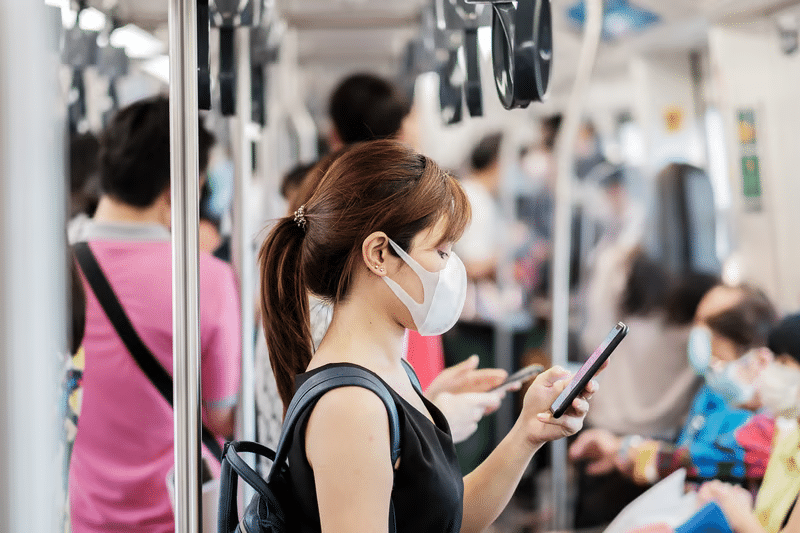
One of the most common questions involves connectivity differences between bullet trains and local rail services.
Shinkansen Connectivity
Many Shinkansen routes now provide onboard WiFi services.
Benefits include:
- Long-distance coverage
- Convenient browsing
- Basic communication support
- Access for international visitors
However, speeds can fluctuate depending on passenger numbers and network demand.
Local Trains
Local trains typically rely more heavily on surrounding cellular infrastructure.
In major urban areas, this often works surprisingly well.
Which Is Better?
The answer depends on your usage.
For light browsing and messaging, both options can perform adequately.
For video conferencing, cloud backups, or heavy streaming, mobile data frequently delivers more reliable performance.
High-Speed Travel Challenges
Even on advanced networks, high-speed movement creates technical challenges.
As trains travel rapidly between cell towers, connection quality may vary throughout the journey.
Fortunately, Japan’s network infrastructure is designed to minimize these disruptions.
Mobile Data Inside Tunnels
One concern for travelers is connectivity inside tunnels.
Tunnel Signal Performance
Many modern tunnels include dedicated telecommunications infrastructure.
As a result, complete signal loss is less common than many visitors expect.
However, occasional interruptions still occur.
The term japan tunnel signal often refers to these brief coverage gaps experienced while traveling underground or through mountainous regions.
Urban Subway Tunnels
Tokyo and other major cities have invested heavily in underground cellular coverage.
Many subway tunnels support strong mobile signals, enabling passengers to remain connected during most of their journey.
Rural and Mountain Routes
Long-distance rail routes passing through mountains may experience more noticeable interruptions.
Signal quality depends on:
- Tunnel length
- Infrastructure investment
- Carrier coverage
- Geographic conditions
Managing Expectations
Most interruptions are brief.
Downloading maps, tickets, and important travel information in advance remains a good practice regardless of network quality.
Practical Tips for Staying Connected on Japan Trains
Reliable connectivity often comes down to preparation.
Use Mobile Data as Your Primary Connection
Although japan train wifi can be useful, mobile data typically provides the most consistent experience.
A dedicated eSIM allows travelers to stay connected without hunting for public WiFi networks.
Download Offline Resources
Before beginning longer journeys:
- Download maps
- Save hotel information
- Store train tickets
- Cache translation files
These steps help reduce dependence on continuous internet access.
Choose the Right Network
Network quality can vary slightly depending on location.
Japan Sim Data offers eSIM plans on all three major Japanese networks:
- NTT Docomo
- SoftBank
- KDDI/au
This flexibility helps travelers choose coverage that matches their itinerary.
Monitor Battery Usage
Connectivity applications can drain smartphone batteries quickly.
Carry:
- Power banks
- Charging cables
- Portable chargers
especially during long travel days.
Plan for Rural Areas
A japan local train data strategy should account for occasional coverage fluctuations outside major cities.
Most travelers experience few problems, but preparation remains valuable.
Understand Your Route
Different routes provide different connectivity experiences.
Researching transportation options before departure can improve expectations and planning.
This is especially useful for any japan train tourist guide itinerary that includes remote destinations.
Tour Group Coordination on Trains
Connectivity becomes even more important when traveling in groups.
Managing Large Groups
A successful japan group train experience depends heavily on communication.
Group leaders should establish:
- Messaging platforms
- Meeting points
- Backup contact methods
- Emergency procedures
before boarding.
Keeping Everyone Connected
Participants should:
- Activate eSIMs before arrival
- Test data access
- Download essential apps
- Share emergency contact details
Tour Leader Responsibilities
A japan tour leader train strategy should include real-time communication capabilities.
Reliable connectivity allows leaders to:
- Coordinate schedules
- Share platform information
- Handle delays
- Communicate route changes
quickly and efficiently.
Supporting Inbound Tourism
As international tourism grows, effective connectivity becomes increasingly important for japan inbound trains operations.
Travel agencies and tour organizers can simplify communications by ensuring travelers have reliable data access from the beginning of the trip.
Connectivity for Groups
Japan Sim Data offers group-friendly eSIM solutions and bulk discounts that can help travel agencies maintain communication across large groups while exploring Japan’s rail network.
Connectivity Trends and the Future of Rail Travel
Rail connectivity continues improving across Japan.
As japan rail japan 2026 developments progress, travelers can expect:
- Expanded onboard WiFi
- Faster wireless networks
- Improved tunnel coverage
- Better support for international visitors
- Enhanced station connectivity
At the same time, mobile networks continue becoming more capable and reliable.
Many travelers increasingly rely on mobile-first connectivity rather than public WiFi services.
This trend is likely to continue throughout the coming years.
Conclusion
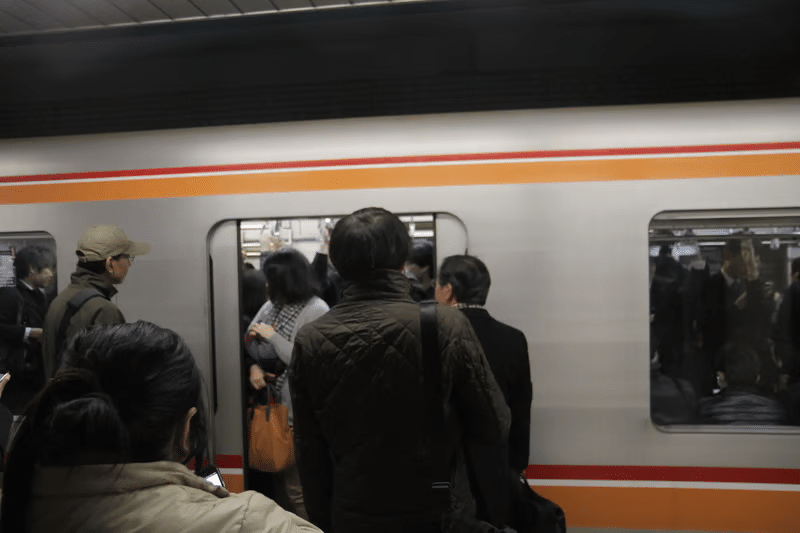
Reliable japan trains subway internet access is easier to achieve today than ever before. While WiFi availability varies across Tokyo Metro, JR services, private railways, and Shinkansen routes, mobile data has become the preferred connectivity solution for many travelers.
Whether you’re navigating Tokyo’s underground network, traveling between cities on a bullet train, or exploring regional destinations via local rail services, understanding your connectivity options helps ensure a smoother journey. Public WiFi can be useful, but dependable mobile data often provides greater consistency and flexibility.
For visitors planning extensive rail travel, combining onboard connectivity with a reliable eSIM solution offers the best overall experience. As Japan continues improving rail connectivity and telecommunications infrastructure, staying connected throughout your journey will become even easier for every japan train japan tourist exploring the country.
Frequently Asked Questions
Q1: Does Japan have WiFi on trains?
A: Some trains, particularly certain Shinkansen and long-distance services, offer WiFi. However, availability varies by operator and route.
Q2: Is Tokyo Metro WiFi reliable?
A: Tokyo Metro provides WiFi access in many locations, but mobile data often delivers more consistent performance for travelers.
Q3: Will I lose signal in Japanese train tunnels?
A: Modern tunnels frequently support cellular coverage, although brief interruptions can still occur, especially on rural routes.
Q4: Is an eSIM better than train WiFi in Japan?
A: For most travelers, an eSIM provides more reliable and consistent internet access throughout the journey.
Q5: What is the best way to stay connected on Japan’s rail network?
A: Combining mobile data with available train and station WiFi offers the most dependable connectivity experience.