
MICE Events in Japan: Providing eSIMs to Attendees at Scale
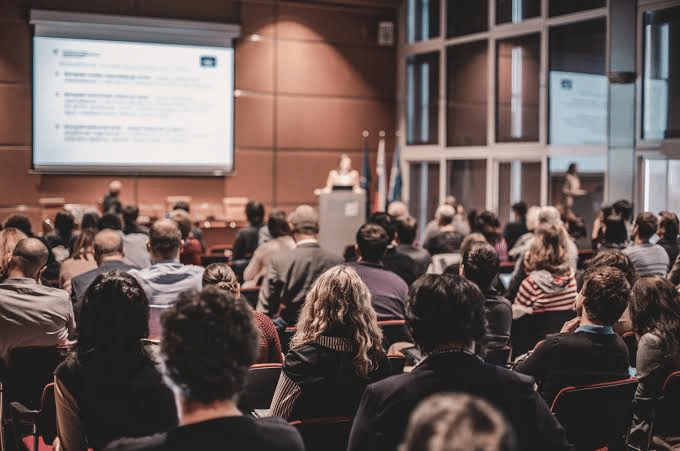
A MICE event creates connectivity requirements that individual travel programs do not. Consider a conference for 300 delegates at a Tokyo convention center. An incentive program may take 150 top performers across Kyoto and Nara. A product launch may take place at Makuhari Messe. A board retreat may bring executives together at a Hakone ryokan.
In each case, many people need Japan connectivity at the same time. However, MICE events also create a specific operational requirement. Attendees need to stay reachable, navigate between venues, and participate in real-time event communication throughout the program.
The MICE Japan eSIM question is therefore about more than attendee convenience. It also concerns event operations.
For example, a conference attendee who cannot navigate from the hotel to the venue because roaming does not work creates a logistics problem. Likewise, an incentive group can lose consistency when some participants have working connectivity while others struggle at the airport.
An exhibition delegate can also miss the event app when venue WiFi becomes congested and no personal data connection is available.
This playbook covers the main elements of a MICE Japan eSIM program. These include attendee onboarding, branded eSIM options, venue WiFi strategy, event-day support, and bulk pricing.
MICE Connectivity: Why It Differs From Standard Group Travel
The MICE-Specific Connectivity Requirements
MICE events have several connectivity requirements that standard leisure group tours may not have.
Event app dependency: Many MICE events use event apps for agenda management, session check-in, networking, and real-time announcements. These apps need data connectivity. Therefore, a delegate without a working connection may lose access to important digital event information.
Real-time communication with delegates: Event coordinators need to communicate with delegates throughout the program. Delegates also need a way to contact coordinators. WhatsApp, Slack, and event platforms can support announcements, schedule changes, and logistics updates. However, these tools require active connectivity.
Multi-venue navigation: MICE programs often use several locations. A typical schedule may include a hotel, conference center, gala dinner venue, and cultural activity site. Delegates need mobile data to navigate between these locations.
For example, a 300-person conference may include an evening gala at a different venue. If some delegates lose connectivity, they may struggle to find the location or receive schedule updates.
Social media integration: Branded events often encourage social media participation. Hashtag campaigns, live posts, and event photography can extend the event’s reach beyond the attendees. Reliable individual connectivity supports these activities.
Professional connectivity expectations: MICE attendees are often business professionals. As a result, they may expect reliable connectivity throughout a managed corporate program. A connectivity problem can affect their overall event experience.
Attendee Onboarding at Scale
The MICE Pre-Event Registration Integration
Japan eSIM event group onboarding for 100 to 500 delegates requires a structured distribution process. The organizer can integrate eSIM distribution into the event registration and pre-event communication system.
Registration-Time eSIM Selection
For events where eSIM connectivity remains optional, the registration form can include an eSIM selection step.
For example:
“Would you like to add a Japan eSIM data plan? [Plan options] Your QR code will be delivered with your event confirmation materials.”
This process gives the organizer a confirmed headcount for the eSIM order. It also records the attendee’s selection before the event.
Universal eSIM Inclusion
For incentive programs and board retreats, organizers may include Japan eSIM connectivity as a standard program component. Every participant then receives a plan.
This approach creates a consistent connectivity experience across the group. It also removes the need for participants to arrange connectivity individually.
Pre-Event Email Sequence
The MICE pre-event communication sequence can begin four to six weeks before the event. The organizer can integrate Japan eSIM distribution into this schedule.
- Event confirmation, six weeks before: Mention the Japan eSIM inclusion or availability and explain what it provides.
- eSIM distribution, three weeks before: Send the individual QR code and installation instructions.
- Pre-event reminder, one week before: Remind attendees to install the Japan eSIM before departure.
- Day-before reminder: Include eSIM installation in the final travel checklist.
Registration Data and Batch Orders
The confirmed attendee list can provide the eSIM batch order manifest. Events using platforms such as Cvent, Eventbrite, or Aventri can export attendee information for batch ordering.
As a result, organizers can reduce manual data handling between event registration and eSIM procurement.
Branded eSIM Options for Events
The Branded Connectivity Opportunity
Japan conference eSIM programs can also become part of the event’s branding. This approach connects the practical eSIM experience with the event identity.
White-Label QR Code Cards
Japan Sim Data’s event partner program provides QR code cards formatted for the event brand. The card can include the corporate or event logo, event name, and connectivity information.
Organizers can place these cards inside delegate welcome packs or registration bags. The QR code connects to Japan Sim Data’s provisioning infrastructure while the physical card provides a branded event touchpoint.
Branded Connectivity Landing Page
Events with digital registration materials can also use a branded connectivity page.
For example, the page could use the event name followed by “Japan Connectivity.” The page can provide installation instructions in the event’s visual identity. Organizers can then link it from the event app and pre-event emails.
Event-Specific Plan Naming
For high-volume events, Japan Sim Data can configure event-specific plan labels. For example, an eSIM can appear as “Japan [Event Name] Data” instead of using a generic plan name.
This approach can help delegates distinguish the event eSIM from other eSIM profiles on their devices.
Incentive Program Positioning
For incentive programs, organizers can position connectivity as part of the overall experience. A branded eSIM card can become part of the welcome pack and arrival process.
Therefore, the eSIM becomes more than a technical utility. It also becomes a visible part of the event’s guest experience.
Venue WiFi vs. eSIM Strategy
The Event Venue WiFi Reality
Convention centers, hotel ballrooms, and conference facilities in Japan often provide venue WiFi. However, shared event networks can face specific limitations.
Capacity at Scale
A 300-person conference can create significant network demand. Delegates may use the event app, post on social media, join video calls, and download event materials at the same time.
These activities can create short periods of high demand. As a result, even a well-provisioned network may experience congestion.
Coverage Outside the Main Venue
Venue WiFi normally covers the conference area and selected hotel spaces. It does not cover the journey between the hotel and gala dinner venue.
It also does not provide connectivity during cultural activities, transfers, or city travel. An individual eSIM provides mobile data across these parts of the program.
Business Connectivity Considerations
Business delegates may access corporate email, cloud systems, and VPN services during an event. Companies should therefore review their organization’s security requirements before relying on shared venue WiFi.
An individual mobile data connection provides another connectivity option outside the venue network.
Guest WiFi vs. Dedicated Event Networks
Some venues provide a shared guest network rather than a dedicated conference network. Performance can vary when many users connect at the same time.
An individual eSIM gives delegates another data connection. Therefore, organizers do not need to rely entirely on the venue network.
The MICE Connectivity Architecture
A practical MICE Japan connectivity setup can use three layers.
Individual eSIM: The Japan Sim Data Docomo eSIM serves as the primary mobile connectivity layer. It supports transit, venue coverage gaps, navigation, communication, and event app access.
Venue WiFi: Venue WiFi works as a supplementary connection. Delegates can use it for high-bandwidth activities when available.
Event app: Delegates can access the event app through their individual eSIM when they are away from venue WiFi.
This architecture gives delegates a personal data connection throughout the program. At the same time, venue WiFi remains available as an additional network.
Bulk Pricing and Event-Day Support
Event-Scale Volume and Pricing
Japan MICE eSIM wholesale pricing can follow event attendee volume rather than the annual activation model used by some travel programs.
Event Tier Pricing
The event volume can determine the commercial structure.
- 50–100 attendees: Mid-tier per-unit pricing can apply to a single event order.
- 100–300 attendees: Larger orders can qualify for strategic-tier per-unit pricing.
- 300+ attendees: Enterprise event pricing can use custom commercial terms based on the event volume.
Organizer vs. Attendee Billing
When the eSIM forms part of the event package, the organizer can pay for the full batch. This approach works similarly to other event costs such as accommodation and transfers.
Alternatively, organizers can offer eSIM connectivity as an optional purchase. In that model, attendees pay individually while the organizer receives consolidated order information.
Event-Day Support Infrastructure
Japan eSIM event scale support requires a clear troubleshooting process. Large events may have hundreds of attendees arriving within a short period. Therefore, organizers need an accessible support structure.
Event Coordinator eSIM Training
Event coordinators can receive troubleshooting training before the event. The training can cover common issues such as:
- Incorrect data SIM selection
- Disabled data roaming
- Missing QR codes
- eSIM installation problems
- Incorrect device settings
As a result, coordinators can resolve simple issues without escalating every case to Japan Sim Data.
On-Site Activation Support
For events with 200 or more delegates, Japan Sim Data event partner programs can include on-site activation support during registration.
A Japan Sim Data representative or trained local partner can assist delegates who need help installing their eSIM.
Event Emergency Support Line
Corporate and MICE accounts can also use an event-specific support contact. Event coordinators can use this channel when an issue requires further investigation.
This support can supplement the standard customer service queue during the event.
Physical SIM Buffer
Large events can include physical SIM alternatives for attendees whose devices do not support eSIMs. A buffer of around 10–15% of the attendee count can cover incompatible or carrier-locked devices.
Japan Sim Data MICE Support
The MICE Partner Program
The Japan MICE eSIM playbook can include several support services for event organizers.
Event registration integration: Technical guidance can help organizers integrate Japan eSIM selection into event management systems. This can include Cvent integration documentation, Eventbrite eSIM add-on configuration, and custom registration data formats.
Branded material production: Organizers can request QR code cards, branded connectivity landing pages, and event-specific plan names.
Logistics coordinator training: Training materials can prepare event coordinators to handle common eSIM issues. Materials can include troubleshooting guides, physical SIM installation instructions, and escalation contacts.
Post-event reporting: Activation reports and connectivity data can help organizers evaluate the program. They can also support future event budgeting.
Multi-event annual programs: Organizations that run recurring Japan MICE events can establish annual programs. This approach can support consistent pricing, repeatable logistics, and account management across multiple events.
MICE Connectivity Planning Timeline
A clear timeline can help organizers manage eSIM distribution without last-minute issues.
Six Weeks Before the Event
Confirm whether the event will include eSIM connectivity. Then estimate the expected attendee volume and define the plan requirements.
Four Weeks Before the Event
Finalize the attendee list, confirm the commercial arrangement, and prepare the registration or distribution process.
Three Weeks Before the Event
Send eSIM QR codes and installation instructions to confirmed attendees. Encourage participants to install the eSIM before departure.
One Week Before the Event
Send an installation reminder. Event coordinators should also review the troubleshooting guide and support contacts.
Event Day
Provide activation assistance at registration where necessary. Coordinators should monitor common connectivity questions and escalate complex issues.
After the Event
Review activation rates, support requests, and attendee feedback. Use these results to improve the next MICE program.
MICE Japan eSIM: Why Connectivity Matters
For MICE organizers, Japan eSIM connectivity can support several operational functions. Event apps need data. Delegates need navigation. Coordinators need reliable communication channels.
The same applies to social media, schedule updates, and multi-venue activities.
Therefore, organizers can treat individual connectivity as part of the event infrastructure rather than relying entirely on venue WiFi.
Japan Sim Data’s MICE event support program can provide branded QR card production, event registration integration, activation support, event-priority support, and bulk connectivity arrangements.
Contact Japan Sim Data to discuss a Japan MICE event connectivity program.
Frequently Asked Questions
Q1: Should Japan eSIM connectivity be included in MICE program costs or offered as an optional purchase?
For incentive programs and board retreats, organizers can include connectivity as a standard program component. This gives all participants the same connectivity provision.
For large conferences, organizers can also offer eSIM connectivity through the event registration system. Attendees can then select a plan based on their needs.
The appropriate approach depends on the event budget, registration process, and program design.
Q2: How does individual eSIM compare with event venue WiFi for MICE delegates?
Individual eSIM and venue WiFi serve different purposes.
Venue WiFi provides connectivity inside the conference facility. However, it does not cover travel between venues, cultural activities, or city navigation.
An individual eSIM provides mobile data throughout the program. Therefore, organizers can use the eSIM as the primary mobile connection and venue WiFi as a supplementary network.
Q3: Can Japan eSIM be branded for a corporate or conference event?
Yes. Japan Sim Data’s event partner program provides branded QR code cards, event-specific plan naming, and branded connectivity landing pages.
Organizers can link these materials through the event app and pre-event emails. This approach integrates connectivity into the wider event identity.
Q4: What on-site support does Japan Sim Data provide for large MICE events?
Event coordinator training can help staff handle common eSIM issues. For events with 200 or more delegates, the event partner program can include on-site activation support during registration.
An event-specific support contact can also provide escalation for more complex technical issues.
Q5: How is Japan eSIM connectivity priced for MICE events?
MICE event pricing can use attendee volume as a key factor. Event tiers can cover 50–100, 100–300, and 300+ attendees.
For recurring Japan MICE programs, annual accounts can provide a consistent commercial and operational structure across multiple events.
Organizers can contact Japan Sim Data with their event profile to discuss specific pricing.