

Ski Tour Operators: eSIM Programs for Niseko, Hakuba, and Furano Groups
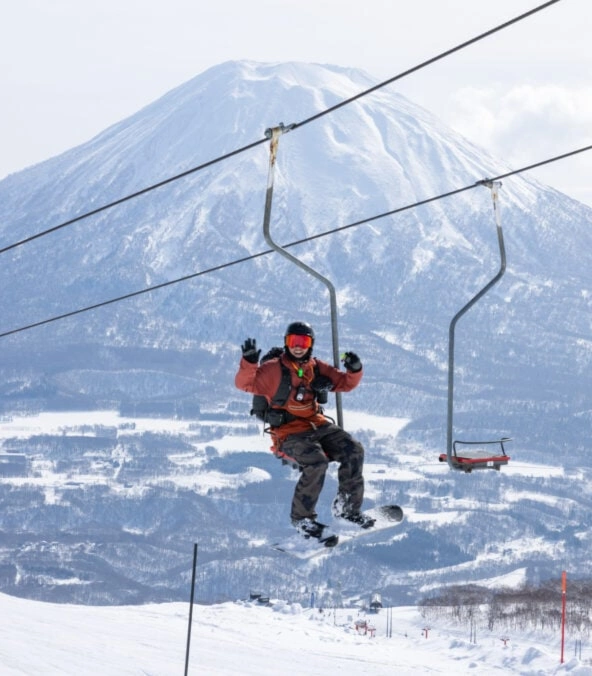
Japan’s ski industry has developed a strong international following. Skiers and snowboarders return to Niseko for its famous powder. Others choose Hakuba for its Olympic history, terrain, and village infrastructure. Furano attracts visitors with its Hokkaido character and quality snow.
The international ski tour operator market serving these destinations has also matured. Operators in Australia, New Zealand, the UK, and North America now offer detailed Japan ski packages. Each part of the guest experience matters, including connectivity.
The ski tour operator Japan eSIM question belongs in this conversation. Connectivity supports mountain safety apps, weather forecasts, trail maps, social media, and group communication. It also helps guides coordinate groups of 20, 50, or even 100 clients across a resort.
This playbook explains how to build a Japan ski tour eSIM program. It covers resort connectivity, guide and staff plans, bulk purchasing, and pre-departure activation.
Ski Tour Connectivity: What Makes It Different
The Ski Resort Data Profile
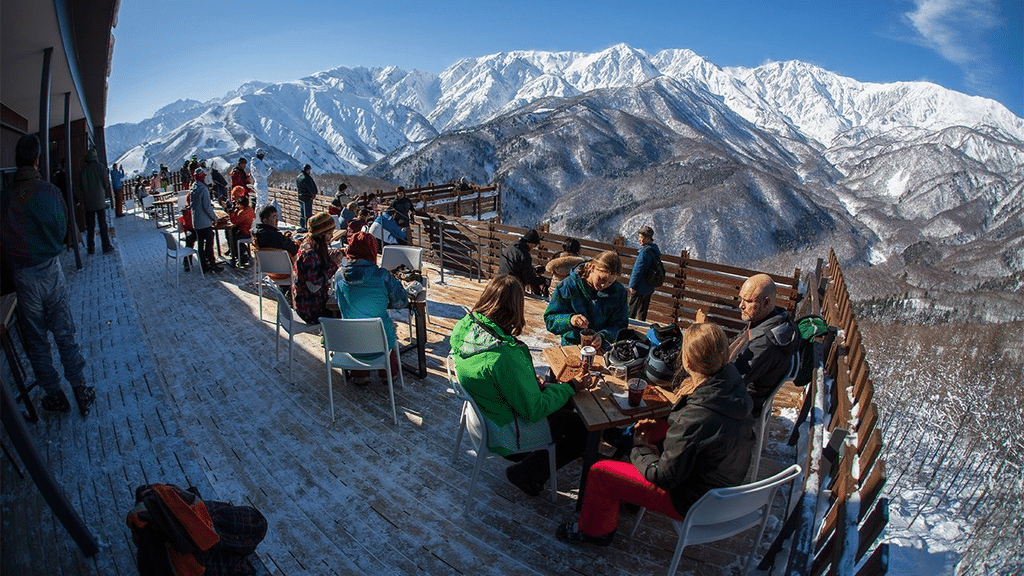
Japan ski group eSIM requirements differ from those of a typical city tour. Mountain environments create different data and connectivity needs.
Data use can be higher. Ski days involve frequent use of weather apps, resort maps, tracking tools, messaging, and social media. Clients may also upload videos and photos throughout the day. Bad-weather days can increase usage further when guests spend more time indoors streaming entertainment.
Hotel Wi-Fi is not always enough. Large hotels often provide reliable Wi-Fi. However, chalets, lodges, and smaller guesthouses can vary considerably. Networks may also become congested when guests return from the slopes at the same time.
Mountain coverage needs careful planning. Coverage at resort bases is usually stronger than in remote or higher areas. Mountain terrain can create gaps for every carrier. Choosing a suitable network can reduce connectivity problems during transfers and resort activities.
Resort-Specific Coverage: Niseko, Hakuba, Furano, and Nozawa
Niseko United, Hokkaido
Niseko United includes Grand Hirafu, Hanazono, Niseko Village, and Annupuri. The resorts are located in western Hokkaido, about 80 kilometres from Sapporo.
Base area coverage: Major resort and village areas generally have mobile coverage. Docomo, SoftBank, and KDDI all serve the wider Niseko area.
Upper mountain coverage: Signal can become less consistent at higher elevations. Terrain, buildings, and local conditions can affect service. For ski groups, a network with strong rural coverage is preferable.
New Chitose to Niseko: The transfer from New Chitose Airport to Niseko takes around 2.5 hours by road, depending on conditions. Reliable connectivity during this journey helps clients use maps, message guides, and access travel information.
Network recommendation: Docomo is a strong choice for Niseko ski programs. Its broad coverage makes it suitable for both resort use and rural Hokkaido travel.
Hakuba Valley, Nagano
Hakuba Valley is home to eleven ski resorts in the Japanese Alps. The area is about 80 kilometres from Nagano City and around 200 kilometres from Tokyo.
Base area coverage: Hakuba village and the main resort areas generally have good mobile connectivity. The area also benefits from its connection to the more developed Nagano transport corridor.
Mountain coverage: Alpine terrain can affect signal at higher elevations. Coverage can also vary between resort bases and valleys. A reliable network is therefore important for guests using navigation and weather apps.
Shinkansen transfer integration: Visitors can travel by Shinkansen to Nagano before continuing to Hakuba by bus or private vehicle. The main rail corridor has strong mobile coverage. The final mountain approach requires more attention to rural coverage.
Network recommendation: Docomo is a practical choice for Hakuba ski tour programs. It provides broad coverage across Japan and is well suited to rural travel.
Furano, Hokkaido
Furano Ski Resort is located in central Hokkaido. It is more remote than Niseko and offers a quieter resort atmosphere with a strong Japanese character.
Coverage profile: Furano’s location makes network selection important. Coverage can vary between the resort, surrounding countryside, and transport routes.
Docomo is a suitable choice for ski groups travelling through rural Hokkaido. It also provides broad coverage for journeys between Furano, Sapporo, and New Chitose Airport.
Network recommendation: Docomo is recommended for Furano programs where consistent rural coverage is a priority.
Nozawa Onsen, Nagano
Nozawa Onsen combines skiing with a traditional Japanese hot-spring village. This makes it appealing to travellers who want both mountain activities and cultural experiences.
Coverage profile: Mobile coverage is generally available in the village and resort area. As with other mountain destinations, signal can vary at higher elevations and in areas affected by terrain.
Network recommendation: Docomo is a practical option for Nozawa Onsen ski programs. Its broad rural coverage also supports transfers through Nagano.
Guide, Staff, and Client eSIM Plans
Three Types of Ski Tour eSIM Users
Japan ski tour programs typically involve three groups of eSIM users. Each group has different connectivity needs.
Clients — bulk distribution
Ski clients use data for weather apps, resort maps, tracking tools, messaging, social media, and travel information. Video uploads can also increase consumption on powder days.
A reasonable planning range is around 2–4GB per day for active users. Actual usage varies by device settings, video uploads, streaming, and Wi-Fi availability.
Plan recommendation for clients: Unlimited Docomo can be a suitable choice for groups with high or unpredictable data use. It removes the need for clients to monitor their remaining allowance during the trip.
Tour guides — individual plans
Guides have additional connectivity responsibilities. They may manage several messaging groups, monitor weather conditions, communicate with clients, and coordinate transport and meeting points.
Emergency communication is another important consideration.
Plan recommendation for guides: Unlimited Docomo provides a simple solution when reliable access is essential throughout the ski day.
Operator staff and coordination accounts
Transfer coordinators, resort representatives, and other staff generally have moderate data requirements. Their main activities include messaging, navigation, scheduling, and logistics apps.
Plan recommendation for staff: A 20GB Docomo plan can suit staff with moderate usage. Operators should adjust the allowance based on the length and structure of each program.
Bulk Pricing for Ski Season Groups
The Ski Season Volume Context
Ski tour operators can generate significant eSIM volumes during the December–March season. Multiple departures can create enough demand to justify discussing agency or wholesale pricing with Japan Sim Data.
Consider an operator running the following schedule:
- 10 Niseko departures × 20 clients = 200 client activations
- 8 Hakuba departures × 25 clients = 200 client activations
- Additional guide and staff plans across all departures
That creates more than 400 client activations before guide and staff requirements are added.
Planning Your Seasonal eSIM Budget
Higher activation volumes can improve the overall cost structure for an operator. This can make connectivity easier to include within the tour package.
Operators should discuss their expected annual volume with the Japan Sim Data agency team. The conversation should include all destinations rather than treating each resort as a separate program.
Include Niseko, Hakuba, Furano, Nozawa Onsen, and any other Japanese ski destinations in the seasonal forecast.
This approach gives the supplier a clearer picture of total demand. It can also help the operator plan inventory, activation schedules, and distribution.
Distribution and Activation Workflow
The Ski Tour Pre-Departure Sequence
Ski clients often prepare for their trip several weeks in advance. They may arrange equipment, lessons, lift passes, transfers, and accommodation before departure.
The eSIM should therefore become part of the same preparation process.
8 weeks before departure: Confirm the group size and place the eSIM order. Select the appropriate plan for clients, guides, and staff.
4 weeks before departure: Send the QR codes and installation instructions with the main ski tour information pack.
2 weeks before departure: Send an installation reminder. Include the eSIM in the same checklist as equipment rental, lift passes, insurance, and resort information.
Departure day: Keep a group reference sheet and troubleshooting guide with the tour leader. An airport activation station can also help clients who need assistance.
Transfer to the resort: Use the transfer period for final connectivity checks. This gives guides time to resolve simple activation issues before the group reaches the slopes.
Activating an eSIM in the Mountain Environment
Ski trips create one additional consideration: clients may notice weaker signal at higher elevations.
A connectivity issue on the mountain does not always indicate an eSIM problem. Terrain, buildings, weather, and network infrastructure can all affect mobile service.
Guides should therefore explain this before clients begin skiing.
A simple message can help:
Coverage is generally strong in resort bases and village areas. Signal may become intermittent at higher elevations or in certain terrain features. Service may return as you descend or move to another location.
Clear expectations can prevent normal coverage variation from being mistaken for an eSIM failure.
Japan Sim Data Ski-Season Support
Seasonal Volume Planning
Japan Sim Data can support ski tour operators with seasonal planning for Japan eSIM distribution.
Operators should begin planning several months before the December–March ski season. September and October are useful target months for confirming expected volumes, plan requirements, and distribution schedules.
Resort-Specific Installation Guidance
Installation materials can be tailored to ski programs. Guides can receive instructions covering activation, network selection, troubleshooting, and expected coverage conditions.
This is particularly useful for groups travelling between cities and remote mountain resorts.
Guide Support
Tour guides should understand the difference between an eSIM activation problem and a temporary coverage issue.
A simple troubleshooting process can include checking the eSIM status, mobile data settings, network selection, and device compatibility. If the device is working correctly, moving to an area with stronger signal may resolve a temporary coverage issue.
Après-Ski Connectivity
Connectivity remains important after the ski day ends. Guests may use their phones to share photos, find restaurants, check transport, and communicate with family.
Niseko, Hakuba, and other established ski destinations have active village areas where mobile connectivity supports these activities.
Conclusion: Build the eSIM Around the Ski Experience
The best Japan ski tour eSIM program should reflect the realities of mountain travel.
For high-usage groups, unlimited Docomo can simplify connectivity management. It removes the need for clients and guides to track data throughout the trip.
The coverage strategy also matters. Resort bases generally offer good service, while higher elevations and remote terrain can produce weaker signals.
Data requirements can also be unpredictable. Powder days may generate large photo and video uploads. Bad-weather days can increase entertainment use. Accommodation Wi-Fi may provide an inconsistent backup.
A well-planned eSIM program reduces these potential problems. It also gives guides one less operational issue to manage during a busy ski day.
For operators planning multiple departures, seasonal volume should be discussed with Japan Sim Data in advance. This allows the operator to plan the right combination of plans, activations, and distribution.
Contact Japan Sim Data through japansimdata.com to discuss ski-season eSIM requirements and wholesale options.
Frequently Asked Questions
Q1: Which Japan ski resort has the best eSIM coverage?
A: Coverage varies by location, terrain, and carrier. Resort villages and base areas generally have stronger service than high mountain terrain. Docomo is a practical choice for ski programs because of its broad coverage across Japan, including rural areas.
Q2: Why choose unlimited instead of a large fixed data plan?
A: Ski data use can be difficult to predict. Guests may upload large amounts of video on powder days or stream entertainment during bad weather. Unlimited plans remove the need to monitor remaining data and can simplify group management.
Q3: Does eSIM coverage work at the top of Japanese ski resorts?
A: Mobile coverage can be available at high elevations, but signal is not guaranteed everywhere. Mountain terrain can create temporary or local coverage gaps. Service may improve after moving or descending to a different area.
Q4: How early should ski tour operators discuss bulk eSIM pricing?
A: September and October are good planning months for the December–March ski season. Early planning gives operators time to confirm volumes, plan configurations, activation schedules, and distribution procedures.
Q5: Should ski tour guides have the same plan as clients?
A: Guides often benefit from unlimited plans because their data use can be higher and more operationally important. Group messaging, weather monitoring, navigation, and emergency communication all require reliable access. The final plan should reflect the guide’s actual responsibilities and expected usage.