
Best Japan eSIM for Honeymooners and Couples’ Trips

Japan is a memorable destination for couples seeking culture, beautiful scenery, and exceptional hospitality. You can stay in a traditional ryokan, enjoy a private kaiseki dinner, or travel by Shinkansen through stunning landscapes. From Kyoto’s historic streets to a peaceful mountain onsen, Japan offers many ways to celebrate a honeymoon.
Reliable mobile data can make these experiences easier to plan. Couples often use their phones to navigate, translate menus, manage reservations, share photographs, and stay in touch with family.
A Japan honeymoon eSIM helps couples stay connected throughout their trip. However, choosing the right setup requires a little planning. Should each partner get an individual eSIM, or can one person share a hotspot? How much data will honeymoon photography require? And which network should couples consider for remote hot spring towns?
This guide answers these questions and explains how to choose a Japan Sim Data plan for your honeymoon.
Why Couples Need Reliable Connectivity in Japan

Honeymoon travel has different connectivity needs from solo travel. Couples may share most activities, but they still benefit from having independent access to mobile data.
Photography and Sharing Special Moments
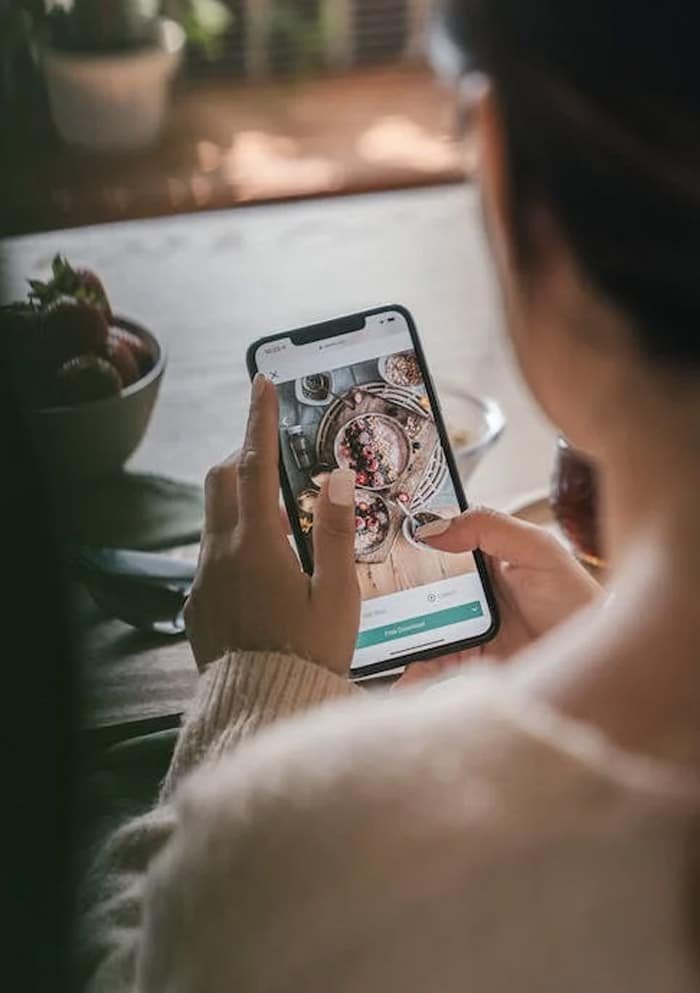
Honeymoons often involve more photography than an ordinary holiday. Couples may capture scenic train journeys, traditional gardens, beautiful meals, and memorable accommodation.
They may also share updates with family and friends back home. Uploading photographs, sending messages, and posting short videos can increase daily data consumption.
An eSIM lets each partner upload content without depending entirely on hotel Wi-Fi. Couples should still check their data usage and avoid automatic cloud backups over mobile data if they have a limited plan.
Independent Navigation and Communication
Couples usually travel together, but they may occasionally separate. One partner might visit a museum while the other relaxes at a café. Another might explore a shopping street while their partner enjoys a spa treatment.
Individual connectivity allows both people to use maps, research activities, and communicate independently. It also makes it easier to coordinate meeting points if plans change.
Planning Romantic Surprises
Some couples arrange special dinners, room upgrades, or private experiences without telling their partner. An individual eSIM lets each person manage messages and reservations privately on their own device.
This can be especially useful when coordinating with a hotel or ryokan before a special occasion.
Should Each Partner Get an eSIM or Share a Hotspot?
One of the first decisions is whether both partners should purchase separate eSIMs or share one connection.
Benefits of Individual eSIMs
Giving each partner an individual Japan eSIM offers several practical advantages.
- Independent navigation: Both partners can find places and check directions, even when temporarily apart.
- Simultaneous use: Each person can browse, translate menus, and research activities without sharing one connection.
- Better battery management: A phone does not need to remain active as a hotspot throughout the day.
- Flexible communication: Each partner can contact family, manage bookings, and handle personal messages independently.
- Reliable coordination: If plans change, both people can access maps and messaging services directly.
Individual eSIMs are particularly useful on trips involving several cities, remote destinations, and busy sightseeing days.
When Shared Hotspot Data May Work
Sharing one eSIM through a mobile hotspot can reduce the cost of connectivity. However, the phone providing the connection must stay powered on and within range.
The second partner may lose access when the hotspot phone runs out of battery or leaves the area. Hotspot sharing can also increase battery consumption on the hosting device.
This setup may work for couples who stay together most of the time and use relatively little data. Check that the eSIM plan supports tethering before relying on this option.
Our Recommendation for Honeymoon Couples
For most couples, individual eSIMs offer greater flexibility. The additional cost may be worthwhile when compared with the overall expense of an international honeymoon.
However, a shared hotspot remains an option for couples with a limited budget. Compare the price of two individual plans with one suitable plan that allows tethering before making a decision.
How Much Data Does a Japan Honeymoon Need?
Data requirements depend on how often you use navigation, upload photographs, make video calls, and back up files.
Estimate Your Photography and Sharing Needs
The following figures are illustrative planning estimates. Actual usage varies by device, image quality, video length, and app settings.
| Activity | Possible data use |
|---|---|
| Sharing compressed photographs | A few MB per image |
| Uploading short video clips | Tens of MB or more per clip |
| Messaging and sending updates | Usually modest, depending on media |
| Backing up large photo libraries | Potentially several GB |
Couples who take many photographs may use substantial data if their phones automatically upload every image to cloud storage. RAW photographs and high-resolution video require much more storage and data than compressed images.
For large backups, use trusted Wi-Fi at your accommodation whenever possible.
Sharing Updates with Family
Many honeymoon couples send photographs and messages to parents, relatives, and friends. Messaging apps and social platforms make it easy to share these moments while traveling.
The amount of data depends on whether you send text, photographs, voice messages, or video calls. If you regularly share videos with family, allow extra data in your budget.
To avoid unnecessary usage, review your messaging and social media settings before departure. You can also reduce video quality or disable automatic media downloads.
Connectivity at Onsen, Ryokan, and Remote Resorts
Japan’s rural destinations are often highlights of a romantic itinerary. A traditional ryokan or mountain hot spring can provide a peaceful break from busy cities. However, mobile coverage varies by location.
Staying at Rural Onsen Towns
Destinations such as Ginzan Onsen in Yamagata, Kurokawa Onsen in Kumamoto, and Kinosaki Onsen in Hyogo attract visitors seeking traditional accommodation and relaxing hot springs.
Some properties sit in valleys or mountainous areas where mobile signals can vary. Coverage inside a building may also differ from coverage outdoors.
Before purchasing an eSIM, check the network it uses and review coverage information for your destinations. If you plan to stay in a remote ryokan, contact the property to ask about mobile reception and Wi-Fi availability.
Is Docomo Suitable for Rural Honeymoon Travel?
NTT Docomo is worth considering for itineraries that include rural towns and destinations beyond Japan’s major cities. However, coverage is never guaranteed at every property or in every mountainous area.
Compare the coverage information for the specific eSIM plan rather than relying on the carrier name alone. The plan must also support the network access you expect to use.
Luxury Hotels in Major Cities
Couples staying in central Tokyo, Kyoto, or Osaka will generally find several mobile network options. These cities have extensive mobile infrastructure, although signal strength can still vary inside buildings and underground areas.
At luxury hotels, Wi-Fi may be useful for large uploads and video calls. Mobile data provides a backup when you are exploring the city or moving between destinations.
Embrace Offline Moments When Appropriate
A weak signal does not have to spoil a romantic getaway. Some couples enjoy being less connected during a quiet stay at a remote ryokan.
Before arriving, save reservation details, addresses, transport information, and important contact numbers. This preparation makes it easier to enjoy your surroundings without needing constant access to the internet.
Practical eSIM Tips for Couples
Plan Surprises Without Spoiling Them
Individual eSIMs allow each partner to manage private messages and arrangements on their own phone. You can coordinate a special dinner or contact the accommodation about a celebration without relying on a shared device.
For important arrangements, confirm details directly with the restaurant or hotel. Save booking confirmations so you can access them even if the connection becomes unreliable.
Stay Connected During Separate Activities
Even couples who spend most of the trip together may occasionally choose different activities. One person might enjoy a shopping district while the other visits a museum or takes a break at the hotel.
With individual data connections, both partners can navigate independently and communicate if they need to change their plans.
Before separating, agree on a meeting point and save its location. This is especially helpful in crowded train stations and busy tourist areas.
Manage Restaurant Reservations Together
Japan has many restaurants with limited seating and advance booking requirements. Couples can use restaurant websites and reservation platforms to compare dining options.
Services such as Pocket Concierge and TableCheck list selected restaurant experiences. Availability and booking requirements differ by establishment.
An active eSIM connection helps you browse options, review confirmation details, and navigate to the restaurant. For highly sought-after dining experiences, make reservations before departure whenever possible.
Choosing the Best Japan Sim Data Plan for Your Honeymoon
The right plan depends on your itinerary, individual data use, and access to Wi-Fi.
Choose a Network That Matches Your Route
Docomo-based eSIM: Consider this option if your honeymoon includes rural destinations, mountain towns, or regional sightseeing. Check coverage for each planned stop.
SoftBank-based eSIM: Compare this option if your itinerary focuses mainly on major cities and urban attractions.
KDDI (au)-based eSIM: This is another network option to consider for itineraries combining cities and regional destinations.
No single network guarantees the best connection in every location. Review the coverage map, supported network, and conditions of the exact eSIM plan before purchasing.
For a honeymoon combining Tokyo or Kyoto with a rural onsen stay, prioritize coverage across the entire route rather than only the cities.
How Much Data Should Each Partner Buy?
Use these allowances as starting points, not guaranteed usage requirements.
Around 15GB per person: This may suit a 10–14-day honeymoon with moderate navigation, restaurant research, messaging, and photograph sharing. Hotel Wi-Fi can help with large uploads.
Around 20GB per person: Consider this for couples who share photographs frequently, use maps throughout the day, and upload short videos across several platforms.
An unlimited plan: This may suit heavy users who regularly upload videos or back up large files. Check the fair-use policy, speed limits, tethering rules, and other restrictions before purchasing.
Your daily usage matters more than the label attached to a plan. Couples who primarily use messaging and maps may need much less data than those who publish videos every day.
A Practical Setup for Most Couples
For a typical honeymoon that combines city sightseeing with a few regional destinations, consider two individual eSIMs with approximately 15–20GB each.
This setup gives both partners independent access to navigation, translation, reservations, and messaging. Use hotel or ryokan Wi-Fi for large backups whenever possible.
If your itinerary focuses on remote areas, check local coverage before selecting a network. If your trip includes frequent video uploads, consider a larger allowance or a suitable unlimited option.
Conclusion: Make Your Japan Honeymoon Easier with an eSIM
Japan offers couples an exceptional mix of cultural experiences, beautiful scenery, thoughtful hospitality, and memorable dining. From a quiet ryokan to the excitement of Tokyo, reliable mobile connectivity can make the journey easier to manage.
A Japan honeymoon eSIM allows both partners to navigate, manage reservations, communicate with loved ones, and share memories throughout the trip. Individual eSIMs offer the greatest independence, while a shared hotspot can suit couples who want to reduce costs.
Choose your data allowance based on your habits and review coverage for every destination, especially remote onsen towns. Save important travel details offline and use accommodation Wi-Fi for large uploads.
Japan Sim Data offers eSIM options for travelers visiting Japan. Compare available networks, data allowances, validity periods, and device compatibility before choosing a plan.
Visit Japan Sim Data to explore options for your honeymoon.
Frequently Asked Questions

Q1: Should honeymooners get individual eSIMs or share one hotspot?
A: Individual eSIMs for both partners is the recommended approach. The advantages — independent navigation when temporarily separated, simultaneous device use without bandwidth competition, battery independence, and the ability to plan private surprises — are genuine and enhance the honeymoon experience in ways that hotspot sharing cannot replicate. The cost of a second eSIM is modest relative to the total honeymoon investment.
Q2: Is there mobile coverage at remote mountain onsen and ryokan?
A: It varies significantly by location. Docomo provides the most reliable coverage at Japan’s remote onsen destinations — Kurokawa, Ginzan, Kinosaki, and similar rural hot spring towns generally have Docomo coverage in the main village areas. Deeper mountain ryokan may have limited or no coverage from any carrier. For honeymoon couples, the deliberate offline character of the most remote stays is often welcome rather than problematic.
Q3: How much data does a Japan honeymoon typically consume per person?
A: Honeymoon travel generates above-average photography and sharing data consumption — expect 2–4GB per person per day for active social sharing across multiple platforms with family and friend communication. A 15GB plan covers a seven-to-ten day honeymoon comfortably with hotel WiFi supplement; 20GB provides comfortable headroom for more active sharers across a two-week honeymoon.
Q4: Which Japanese network is best for a honeymoon itinerary including onsen towns?
A: Docomo is the consistent recommendation for Japan honeymoon itineraries that include rural onsen destinations. Its coverage at mountain and coastal hot spring towns significantly outperforms SoftBank and KDDI — particularly important for the remote, exclusive stays that constitute Japan’s most distinctive honeymoon experiences.
Q5: Can we book Japan honeymoon experiences (restaurants, onsen, special packages) through apps on our Japan eSIM?
A: Yes. Pocket Concierge for high-end restaurant reservations, Jalan and Rakuten Travel for ryokan bookings, and direct hotel apps all function normally on Japan Sim Data eSIM connections. Many honeymooners arrange the most time-sensitive reservations before departure from home, using the Japan eSIM primarily for navigation, translation, and day-of coordination during the trip itself.