
Best Japan eSIM for Solo Travelers: Safety, Navigation, and Data
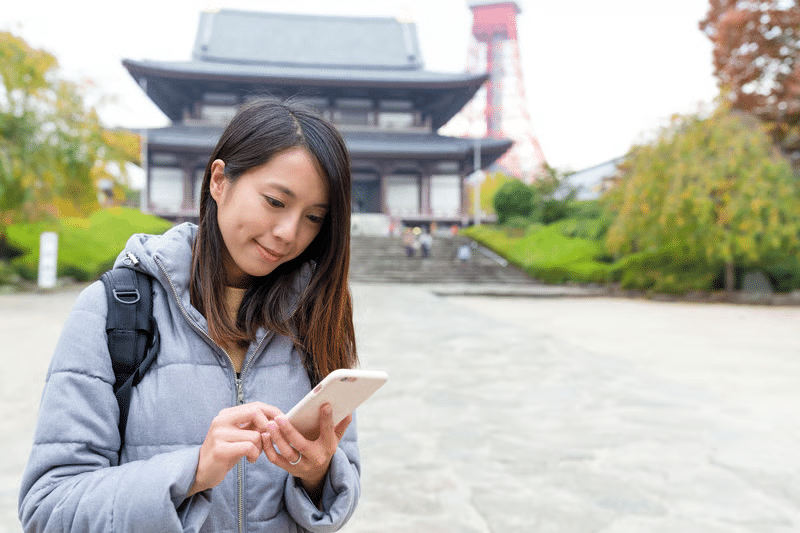
Solo travel in Japan is one of the world’s great independent travel experiences. The country’s extraordinary safety record, its legible transit infrastructure, its culture of genuine helpfulness toward lost or confused visitors, and the depth of cultural and natural experience available to the patient independent traveler make Japan uniquely suited to solo exploration. The solo traveler who moves through Japan slowly — spending a full morning at a rural temple, lingering at a ramen counter until the cook starts explaining the broth’s preparation, taking the wrong train and discovering an unexpected neighborhood — experiences Japan at a depth that group travel rarely allows.
The solo traveler japan esim question has a direct answer that differs from the group travel connectivity discussion: solo travelers need connectivity more than group travelers, not less. In a group, the collective can absorb a navigation failure — someone else has maps running, someone else can ask for help. Solo, you are the entire team. Your phone’s data connection is your navigator, translator, safety communication device, and connection to the world outside Japan simultaneously. When that connection fails, every function it was providing fails together.
This guide covers the specific connectivity needs of solo Japan travel: the navigation and translation dependencies that are more critical solo than in groups, the safety and emergency apps that provide a genuine security layer, the data-heavy solo scenarios that affect plan sizing, and the Japan Sim Data plan configurations that give solo travelers the connectivity foundation their independent Japan experience deserves.
Navigation and Translation Dependencies
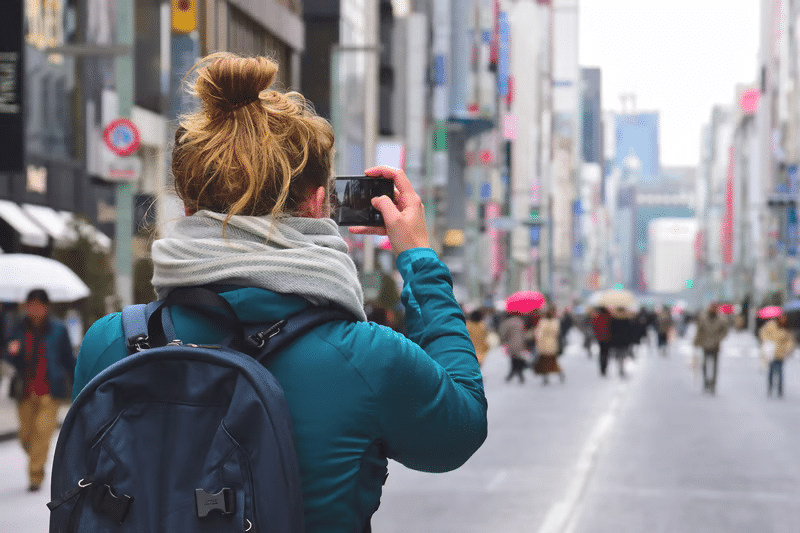
Solo Navigation: No Fallback
Navigation is the connectivity use case where the solo traveler’s dependency is most acute and most consequential. Japan’s urban transit systems are navigable with smartphone assistance and genuinely difficult without it — the addressing system (block-based rather than street-based), the multiple railway operators whose exits and fare zones require digital confirmation, and the sheer scale of major transit hubs (Shinjuku station’s 200+ exits) all create navigation challenges that experienced group travelers share across the group but solo travelers face alone.
The solo traveler who loses connectivity mid-transit is in a different position than a connected group member who happens to have lost signal — they are independently responsible for recovering the navigation situation. Japan’s physical signage in major tourist areas is good, but it thins rapidly outside the main tourist corridors, and in exactly the off-the-beaten-path neighborhoods where solo travel delivers its richest experiences, street signage often transitions to Japanese-only.
Practical solo navigation preparation:
- Download offline Google Maps tiles for every region your itinerary covers before leaving your accommodation each morning
- Know the Japanese characters for your accommodation’s address — useful for showing taxi drivers or asking passersby
- Set backup navigation using your eSIM as primary with offline tiles as the fallback, rather than depending on real-time data for every navigation step
Translation as Solo Cultural Access
The japan esim navigation solo and translation dependency for solo travelers is more significant than for group tourists because solo travelers have no companion to assist with language-barrier moments. The language barrier at a small family restaurant that hasn’t printed an English menu, the shrine information board that explains the ritual significance of what you’re looking at, the product label in a local supermarket that you want to understand — these encounters are the texture of solo Japan travel, and they are all accessible through Google Translate’s camera function with a live data connection.
For solo travelers specifically: the camera translation function is more than a convenience tool. It is the technology that makes genuine independent Japan exploration possible — enabling access to the Japan that exists beyond the English-translated tourist infrastructure. This function requires data connectivity for real-time camera overlay; the offline Japanese language pack enables basic text translation but not the camera-function real-time experience.
Safety, Emergency, and Check-In Apps
The Japan eSIM Safety Net
The japan esim safety net concept is particularly relevant for solo travelers. The peace of mind that connectivity provides — for the solo traveler themselves and for the people at home who care about them — is a genuine safety benefit that goes beyond mere convenience.
Location sharing: Google Maps Live Location and Apple’s Find My both enable passive location sharing with designated contacts at home. A solo traveler who has activated location sharing before their Japan trip provides their family or friends with real-time location awareness without requiring constant check-in messages. The system works silently in the background, consuming minimal data, and provides the kind of continuous safety awareness that makes solo travel more comfortable for everyone involved.
Emergency services access: Japan’s emergency numbers — 110 (police) and 119 (ambulance and fire) — function without mobile data on most phones. However, translation assistance for emergency service communication, map-based location confirmation, and insurance company communication during emergencies all require data. The solo traveler in a genuine emergency — a medical situation, a significant disorientation in a rural area, an unexpected encounter requiring police involvement — is better equipped in every way with a live data connection.
AMDA International Medical Information Center: This Japan-based multilingual medical support service is a critical resource for solo foreign travelers facing health situations in Japan. Accessing AMDA’s services requires either a phone call or data-based contact. Pre-saving AMDA’s contact information (and the address wordpress-1493298-6069223.cloudwaysapps.com can point to for current contact details) before departure is the kind of low-effort, high-value solo travel preparation that connectivity makes possible.
Check-In Discipline for Solo Travelers
Experienced solo travelers develop a check-in discipline — establishing a regular communication cadence with people at home that provides a baseline safety awareness. The solo traveler who messages a designated contact each morning and evening creates a system where an unexpected silence triggers appropriate concern.
This check-in system requires data connectivity at regular intervals. The japan esim solo safety function is therefore not just about emergency scenarios but about the ongoing communication infrastructure that makes solo travel both safer and more comfortable for everyone involved.
Data-Heavy Solo Scenarios: Photography, Journaling, and Streaming
Solo Traveler Photography
Solo travelers photograph differently from group travelers — the absence of social obligation during sightseeing allows longer periods of focused photography, and the solo traveler’s tendency toward slower, more deliberate movement through each location generates more photography per site than the group tourist who moves at a collective pace.
Japan’s extraordinary visual richness — the visual depth available at every layer of observation, from the macro landscape to the micro detail of a gate hinge’s patina — produces photography volumes in solo travelers that consistently exceed what they expected. Plan sizing for japan solo trip data should account for photography as a sustained data activity rather than an occasional spike.
Solo Digital Journaling
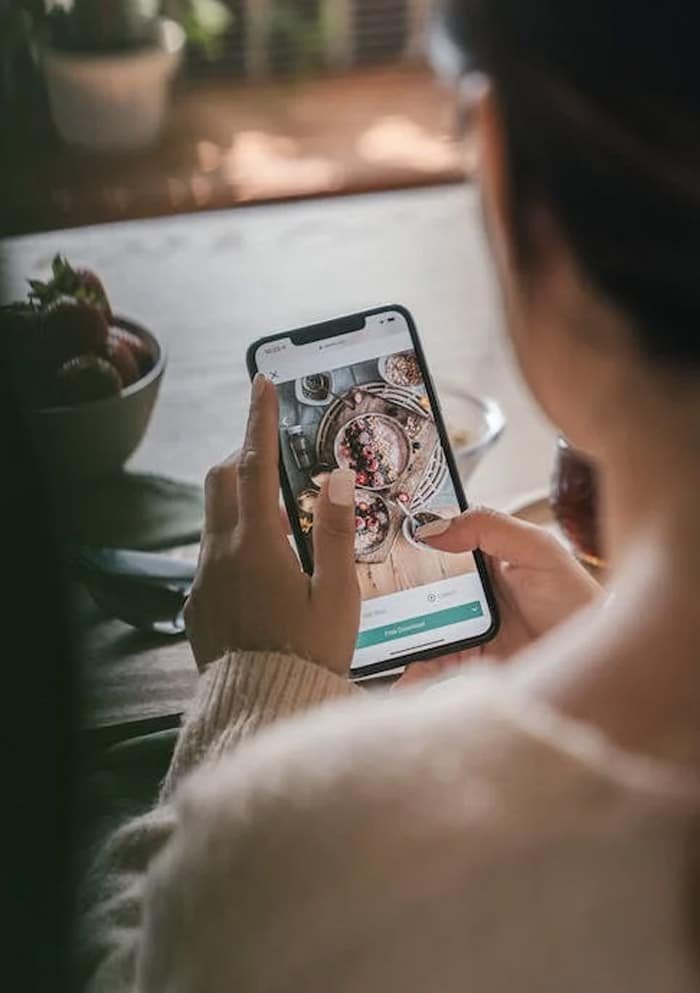
Many solo travelers maintain digital travel journals during Japan trips — either personal blogs, Instagram story archives, or private diary apps that document the experience as it unfolds. These journaling activities require data for uploading images, posting text, and maintaining cloud backup of ongoing writing. The solo traveler’s reflective relationship with the travel experience — unmediated by constant social conversation — often produces more journaling content than equivalent group travel does.
Streaming and Entertainment
Solo travelers in Japan face more solitary evening and transit hours than group travelers — the long Shinkansen journey, the evening alone in a ryokan without the social structure of a group dinner, the rainy afternoon at a guesthouse when outdoor plans are impossible. Entertainment streaming (Netflix, YouTube, podcast apps) fills these periods and constitutes a data demand that group travelers, who typically have built-in social entertainment, use less intensively.
The japan esim solo backpacker who spends a significant portion of their Japan trip in budget accommodation without strong WiFi is the traveler profile most dependent on eSIM data for entertainment — and most in need of generous plan sizing that doesn’t require daily data rationing.
eSIM Tips for Solo Trip Flexibility
The Flexibility Advantage of Individual eSIM
Solo travel’s defining characteristic is flexibility — the ability to extend a stay at a particularly rewarding location, change direction based on weather or whim, and follow interest wherever it leads. This flexibility creates a connectivity planning challenge that group travel doesn’t have: the solo traveler’s data needs for any specific day are genuinely uncertain because the day itself is genuinely uncertain.
An eSIM plan that provides adequate data for the solo traveler’s full range of possible activities — intensive navigation in an unfamiliar rural area, extended photography documentation, long evening streaming, active social media — is more suitable for solo travel than one sized for the average day without buffer for the exceptional ones.
The practical implication: solo travelers should size their Japan Sim Data plans generously or choose unlimited, specifically because solo travel flexibility creates data consumption variance that predictable group itineraries don’t.
Managing eSIM During Solo Extended Stays
japan esim independent traveler management for extended solo Japan stays — the solo backpacker spending three weeks exploring multiple regions, or the digital nomad combining work with Japan exploration — requires thinking about plan duration as well as data volume.
Japan Sim Data’s plan range includes options suited to extended stays: 30-day validity plans, unlimited options, and the possibility of plan renewal for stays beyond standard plan windows. The solo traveler planning an extended Japan trip should discuss their specific duration and usage profile with Japan Sim Data at wordpress-1493298-6069223.cloudwaysapps.com to identify the most cost-effective plan structure for their stay length.
Best Japan Sim Data Plans for Solo Travelers
Network Recommendation for Solo Travelers
The solo traveler’s network recommendation follows the same framework as other Japan travel:
Docomo: The recommendation for solo travelers whose itinerary extends into rural, mountain, island, or wilderness Japan. The solo traveler in rural Tohoku, on the Shikoku pilgrimage route, in Hokkaido’s backcountry, or on Okinawa’s outer islands needs Docomo’s rural coverage advantage — precisely because they have no group member with a different carrier to fall back on if their own connection is absent.
SoftBank: Appropriate for solo travelers concentrating in Tokyo, Osaka, Kyoto, and other major urban centers. Excellent urban performance for the city-focused solo trip.
KDDI: Good for mixed urban-regional itineraries, particularly Kyushu-focused solo travel.
For solo travelers uncertain about their itinerary’s rural extent: Docomo is the conservative choice that provides coverage confidence across the widest range of Japan travel scenarios.
Plan Sizing for Solo Japan Travel
Solo urban trip (7 days, Tokyo/Kyoto circuit): 10–15GB covers navigation, translation, moderate photography sharing, and daily messaging. Supplement with hotel WiFi for large photo uploads.
Solo mixed urban-rural trip (10–14 days): 15–20GB for the combination of urban touring and rural exploration without reliable daily WiFi supplement. The rural sections add navigation data consumption (offline maps supplemented by real-time data) and reduce WiFi availability for large downloads.
Solo backpacker (2–3 weeks, diverse itinerary): Unlimited on Docomo. The combination of extended duration, itinerary flexibility (uncertain daily data needs), rural Japan exploration, and the entertainment data usage of solo evenings without group social structure makes unlimited the most appropriate and stress-free option for extended solo Japan travel.
japan esim solo female traveler: The safety-focused connectivity considerations that apply to solo female travel — location sharing active, check-in discipline established, emergency resources saved — don’t change the plan sizing recommendation but reinforce the importance of connectivity continuity throughout the Japan trip. Unlimited eliminates the scenario where data runs out at an inconvenient or unsafe moment.
According to the Japan National Tourism Organization (JNTO), solo international travel to Japan has grown consistently as a proportion of total inbound tourism, with Japan’s safety and navigability cited as primary factors in solo traveler destination choice. The GSMA identifies solo travelers as one of the highest per-capita mobile data consuming tourist segments, reflecting their greater dependency on smartphone connectivity for functions that group travelers share across the group.
Conclusion: Solo Japan Travel Deserves Comprehensive Connectivity
Japan’s exceptional safety, cultural depth, and navigable infrastructure make it one of the world’s best solo travel destinations. The connectivity that makes that solo experience fully accessible — the navigation that takes you beyond the tourist corridor, the translation that opens the conversation with the izakaya owner, the location sharing that provides peace of mind for everyone involved, the data that streams your evening entertainment in a ryokan far from group company — is not a convenience for the solo Japan traveler. It is the operational infrastructure through which independent Japan travel functions.
Japan Sim Data’s eSIM plans on Docomo, SoftBank, and KDDI networks, sized appropriately for the solo traveler’s specific itinerary and data profile, provide that infrastructure. For the solo traveler heading into rural Japan: Docomo, generous plan or unlimited. For the urban solo circuit: any carrier, 15GB or more. For the extended solo backpacker: Docomo unlimited without hesitation.
Install before departure. Share your location with someone who matters. And navigate Japan’s extraordinary depth independently, with the connectivity confidence that makes solo travel genuinely freeing rather than merely solitary.
Frequently Asked Questions

Q1: Is mobile data essential for solo travel safety in Japan?
A: Japan is one of the world’s safest countries for solo travel. However, continuous data connectivity provides meaningful safety benefits — location sharing with contacts at home, real-time navigation to avoid disorientation, emergency service translation assistance, and the ongoing communication infrastructure that makes solo travel comfortable for both the traveler and their support network. It is not strictly essential in the way it might be in a less safe destination, but the peace of mind it provides is genuine.
Q2: Which carrier is best for a solo backpacker exploring rural Japan?
A: Docomo is the consistent recommendation for solo travelers whose itinerary extends into rural, mountain, or island Japan. Its rural coverage advantage is most significant for solo travelers precisely because they cannot rely on a group member with a different carrier if their own network is absent. For urban-only solo travel, any carrier performs equivalently.
Q3: How much data does a solo Japan backpacker typically use per day?
A: Solo travelers tend to use more data than group travelers — approximately 2–4GB per day for active solo travel with navigation, photography sharing, messaging, and evening entertainment streaming. Extended solo stays without reliable daily WiFi can push daily consumption above this range. Unlimited plans eliminate data management anxiety for extended solo Japan travel.
Q4: Should I share my location with someone while solo traveling in Japan?
A: Yes, as a practical safety measure. Google Maps Live Location sharing and Apple’s Find My both provide passive location sharing that runs in the background without requiring active check-ins. Establishing location sharing with a trusted contact before departure is low-effort preparation that provides meaningful safety awareness throughout a solo Japan trip.
Q5: Can I extend my Japan eSIM plan if my solo trip runs longer than expected?
A: Contact Japan Sim Data through wordpress-1493298-6069223.cloudwaysapps.com for guidance on plan extension options. For solo travelers whose itinerary flexibility makes exact duration uncertain, an unlimited plan with a generous validity period or a renewable plan structure is more appropriate than a precisely sized fixed-duration plan that may not accommodate schedule changes.