

Kyoto eSIM Guide: Connectivity for Temples, Gardens & Arashiyama
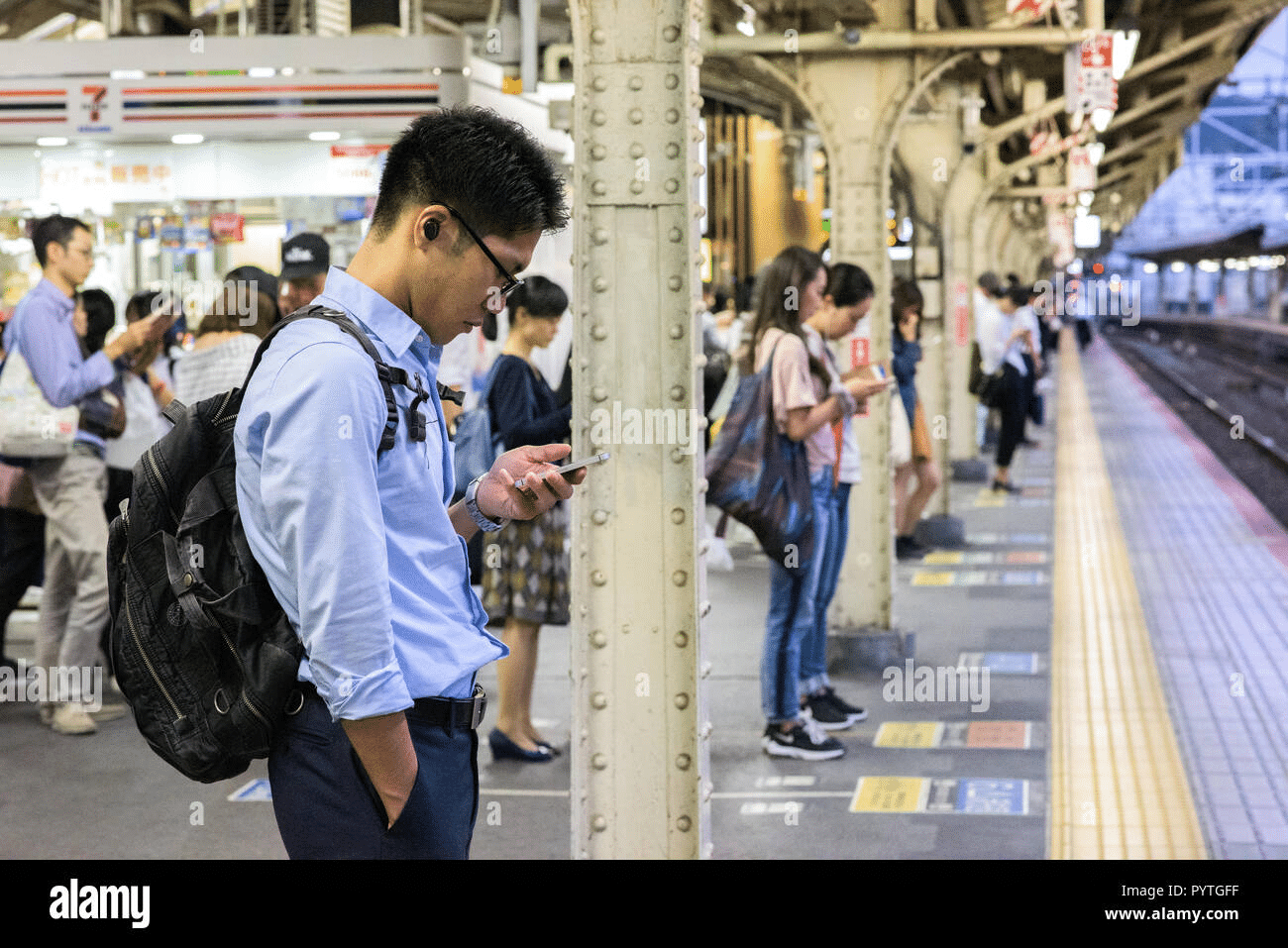
Kyoto rewards travelers who wander — down a quiet lane behind Gion’s teahouses, through a bamboo grove in Arashiyama, or up the thousand vermillion gates at Fushimi Inari. But that same wandering makes reliable data more valuable here than in almost any other Japanese city. A good Kyoto eSIM means you can pull up a temple’s opening hours, check the next bus toward Kiyomizu-dera, or translate a shrine’s history plaque without breaking stride.
Kyoto’s layout is part of the challenge. Unlike Tokyo’s dense subway grid, Kyoto’s most famous sights are spread across distinct neighborhoods and hillside districts connected mainly by buses and a handful of train lines. This guide covers what to expect from mobile coverage across Kyoto’s central wards, the temple districts, and quieter areas like Arashiyama, Kurama, and Ohara, along with which data plan fits a typical Kyoto itinerary best.
By the end, you’ll know exactly where a kyoto travel esim performs best, and how to use data to make Kyoto’s bus-heavy transport network far less stressful.
Why Data Planning Matters in Kyoto
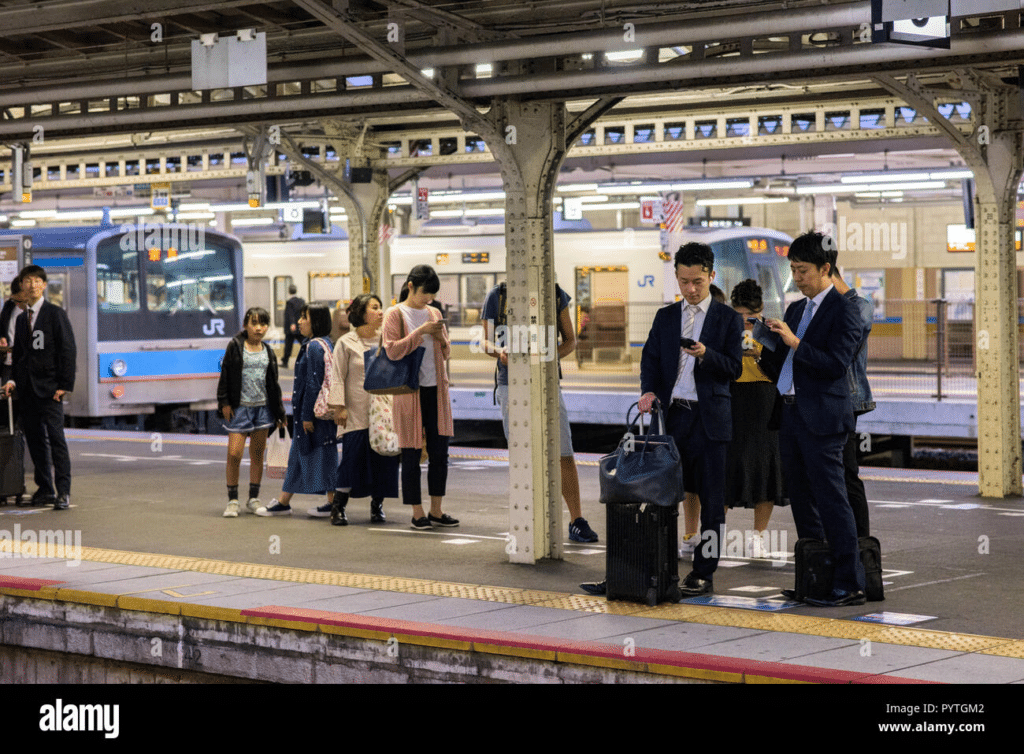
Kyoto packed roughly 2,000 temples and shrines into a city that still moves largely by bus rather than subway. That combination means visitors spend a lot of time checking schedules, confirming opening hours, and navigating neighborhoods that don’t always follow a simple grid layout.
A dependable eSIM setup helps with the everyday logistics that shape a Kyoto trip:
- Checking real-time city bus arrivals, since Kyoto’s bus network can be crowded and schedule-dependent during peak season
- Confirming temple and garden opening hours, which vary seasonally and sometimes close early for private ceremonies
- Translating menus in smaller family-run restaurants around Gion and Higashiyama
- Navigating narrow lanes in historic districts where street names are inconsistent
- Booking or reconfirming a table at a kaiseki restaurant that requires same-day contact
- Looking up seasonal event schedules, since many gardens extend hours for autumn foliage or spring cherry blossom illuminations
A working japan esim cultural setup matters even more in Kyoto than in cities built around a single rail loop, since so much of the city’s charm sits in quiet residential streets and hillside paths that don’t come with obvious signage. Activating your eSIM before you leave the airport, rather than after checking into your Kyoto ryokan, means you’re ready from the moment your train pulls into Kyoto Station.
This holds true whether you’re spending a single afternoon between two temples or a full week working through every major district. A traveler with only a few hours before catching an onward Shinkansen benefits just as much from quick access to bus times and opening hours as someone building a leisurely week-long cultural itinerary around the city’s quieter corners.
Mobile Network Coverage Across Kyoto Neighborhoods
Japan’s three major carriers — NTT Docomo, SoftBank, and KDDI (au) — all provide strong coverage across central Kyoto, though the experience shifts slightly once you move into hillside temple districts or quieter outlying neighborhoods.
Docomo Kyoto Coverage
Docomo kyoto coverage is dependable across the central wards, including Kyoto Station, downtown Shijo-Kawaramachi, and most of the well-visited temple districts. Docomo’s broad rural reach also helps in the outer neighborhoods like Ohara and Kurama, where fewer towers serve a more spread-out population.
SoftBank Kyoto Coverage
Softbank kyoto performs well in the busy tourist corridors around Gion, Higashiyama, and the main approach roads to Kiyomizu-dera. Coverage stays consistent through most of central Kyoto, with some thinning in narrower back lanes tucked between traditional wooden buildings.
KDDI (au) Kyoto Coverage
Kddi kyoto service is comparable to the other two networks in the city center and along the main bus routes connecting major sights. Like Docomo and SoftBank, KDDI’s signal is strongest where population density is highest, and slightly less consistent in the forested approaches to hillside temples.
What This Means for Travelers
For most visitors, any of the three networks will comfortably cover mobile data kyoto needs across the city center, Kyoto Station, and the main temple routes. Since a typical Kyoto day might move between a downtown hotel, a hillside temple, and a countryside day trip, an eSIM that isn’t locked to a single weak carrier pocket gives you steadier performance as your itinerary shifts across different kyoto neighborhood esim zones throughout the day.
This matters especially for visitors staying in one of Kyoto’s traditional neighborhoods rather than a large hotel near the station. Machiya guesthouses tucked into narrow lanes around Gion or Nishijin sometimes sit slightly outside the strongest signal pockets, so a network-flexible eSIM helps bridge that gap compared with relying on a single carrier’s local strength in one specific block.
eSIM Tips for Temple Hopping, Fushimi Inari, and Kiyomizu-dera
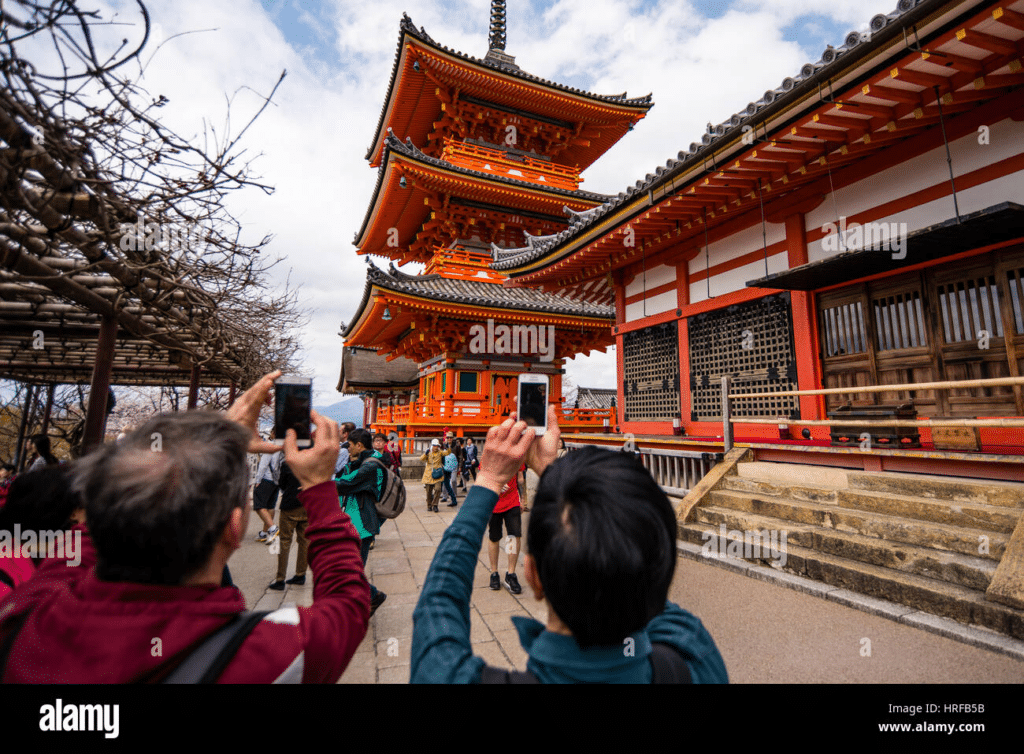
Kyoto’s temple districts each have their own connectivity quirks worth knowing before you set out for a full day of sightseeing. Because many visitors try to cover two or three major sights in a single day, understanding where signal holds steady and where it naturally dips helps with pacing an itinerary realistically.
Fushimi Inari Taisha
The thousands of torii gates winding up Mount Inari draw crowds year-round, and fushimi inari mobile data holds up well along the lower and mid-mountain sections where most visitors walk. Signal can weaken slightly near the summit trail, where dense forest cover and elevation reduce tower reach, similar to the pattern seen on other wooded hillside routes across Japan. Early morning visitors, who often arrive before sunrise to avoid crowds, tend to find coverage steadiest near the main gate complex and thin out gradually only as they climb higher into the forest.
Kiyomizu-dera and Higashiyama
Kiyomizu-dera esim coverage is generally strong given how central this district sits within Kyoto’s main sightseeing corridor. The approach streets through Higashiyama, including Ninenzaka and Sannenzaka, stay well covered, which is useful for checking crowd levels or confirming a nearby teahouse is open before the walk up. This corridor also sees some of the heaviest foot traffic in Kyoto during peak seasons, so data access for rerouting around a particularly crowded lane can save real time.
Gion
Kyoto’s most famous geisha district blends narrow lanes with a dense concentration of restaurants and machiya townhouses. Gion internet access is reliable throughout the district, helping visitors confirm restaurant reservations or look up etiquette guidance before an evening walk through the historic streets. This is particularly useful in the evening, when many of Gion’s best-known restaurants and teahouses operate on a reservation-only or introduction-only basis that benefits from a quick call or message ahead of time.
A Note on Temple Hopping
- Many temple complexes are large enough that GPS and map data genuinely help with navigation between sub-halls and gardens.
- A japan esim temple setup is useful for checking whether a temple hosts a seasonal illumination event, since opening hours often extend for autumn foliage or spring blossoms.
- A japan esim garden connection also helps when confirming which of Kyoto’s famous moss gardens or dry landscape gardens are open to photography, since some historic gardens restrict tripods or certain areas seasonally.
- Confirming last entry times matters, since several temples stop admitting visitors 30 minutes before official closing.
Arashiyama, Kurama, and Ohara Coverage
Kyoto’s outer districts offer some of the city’s most memorable scenery, and each has a slightly different connectivity profile worth planning around. Because these districts sit further from the dense city center, coverage naturally shifts from an urban pattern to a more rural one, similar to what travelers notice in other Japanese countryside destinations.
Arashiyama
The bamboo grove, Togetsukyo Bridge, and riverside district all sit within a well-covered area, and arashiyama esim signal stays consistent even as crowds fill the main walking paths. This makes it easy to check the return train schedule on the Sagano Scenic Railway or confirm same-day availability for a river boat ride. The nearby monkey park and Tenryu-ji temple grounds also maintain steady coverage, useful for confirming last-entry times before the afternoon closing rush.
Kurama
North of the city center, Kurama’s mountain trail connecting to Kibune runs through denser forest with a more rural coverage pattern. Kurama connectivity is generally solid near the train station and temple entrance, though it can weaken along the steeper wooded sections of the hiking trail, much like other forested mountain paths across the country.
Ohara
Home to the tranquil Sanzen-in temple, Ohara sits further from central Kyoto and sees a quieter, more rural signal pattern. An ohara esim connection typically holds up well in the village center and around the main temple approach, with the usual dip in signal density once you move into surrounding farmland and hillside paths.
Public Transport and Bus-Navigation Data Use
Kyoto’s bus network is the backbone of most sightseeing itineraries, and mobile data plays a bigger role here than in cities with a simpler subway system.
- Real-time bus tracking: Kyoto’s city buses can bunch up or run behind schedule during peak tourist seasons, and checking live arrival times helps avoid long waits at crowded stops.
- Route planning between districts: Since many top sights sit outside the rail network, data helps confirm the correct bus number and transfer point, particularly for cross-town routes linking Arashiyama, Gion, and Fushimi Inari.
- IC card balance and top-up locations: Confirming where to reload an IC card before boarding avoids delays at the farebox.
- Taxi and rideshare options: For late evenings after bus service winds down, data lets you confirm taxi availability near quieter districts like Ohara or Kurama.
A steady kyoto data plan removes much of the friction from a transport network that relies heavily on schedules and transfers rather than a straightforward subway map.
This is especially true during cherry blossom and autumn foliage seasons, when bus routes near popular districts can run well behind schedule and alternate routes or a taxi become worth checking in real time. Travelers who build in a data-checked buffer between stops tend to have noticeably smoother days than those relying on printed schedules that don’t reflect live delays.
Best Japan Sim Data Plans for Kyoto
Japan Sim Data offers eSIM options across Docomo, SoftBank, and KDDI networks, which suits the varied coverage patterns found across Kyoto’s central districts and quieter outer neighborhoods. Choosing between plan types mostly comes down to how many districts you’re covering and how many days you’ll spend moving between them.
- Day Pass plans work well for a single day trip out to Arashiyama, Kurama, or Ohara, giving you focused coverage for a kyoto itinerary esim built around one district at a time.
- Standard data plans suit a typical multi-day Kyoto stay, covering temple hopping, Gion evenings, and bus navigation without watching a data cap closely.
- Unlimited plans fit longer cultural itineraries that combine central Kyoto sightseeing with day trips to Fushimi Inari, Arashiyama, and the northern hills in one continuous esim for kyoto setup.
Travel agencies organizing cultural tours or temple-focused group trips can also access bulk discounts through Japan Sim Data, making it simple to equip an entire group with a working kyoto tourist sim before they even land at Kansai International Airport, rather than coordinating individual purchases once everyone has already scattered across the city. For deeper background on Kyoto’s cultural sites, the Kyoto City official tourism site is a useful planning reference alongside your data setup.
Setting Up Your eSIM Before You Reach Kyoto
Because Kyoto’s sightseeing pace often starts early — many temples open at 6 or 7 a.m. to beat the crowds — it’s worth handling the setup steps before you arrive rather than fumbling with activation on your first morning.
Activate Before You Land
Most eSIMs install on your phone while you still have home Wi-Fi, with the profile switched on once you land in Japan. This means your kyoto esim is ready the moment your Shinkansen pulls into Kyoto Station, rather than requiring a fresh setup while you’re already trying to catch an early bus to Fushimi Inari before the tour groups arrive.
Check Device Compatibility
Most recent iPhone and Android flagship models support eSIM, but confirming compatibility and that your device is carrier-unlocked before departure is a five-minute check worth doing at home. It saves a frustrating troubleshooting session once you’re standing outside a quiet machiya guesthouse in Gion with limited front-desk English support.
Match Your Plan to Your Itinerary
If your Kyoto trip is a short two- or three-day cultural stop within a longer Japan itinerary, a standard data plan usually covers temple hopping and bus navigation comfortably. If you’re adding day trips to Arashiyama, Kurama, and Ohara on top of central Kyoto sightseeing, an Unlimited plan avoids the hassle of tracking data use while you’re deep in a bamboo grove with a train back to the station in twenty minutes.
Keep a Light Backup for Quiet Districts
Even with reliable coverage across most of Kyoto, it’s worth downloading offline maps for outer districts like Kurama and Ohara before setting out, since forested hillside paths can see brief dips in signal. A downloaded map combined with a temple’s printed English pamphlet, often available at the entrance gate, gives you a simple fallback that doesn’t depend on connectivity at all.
A Note for Group and Tour Travel
Cultural tour groups, school trips, and families splitting across taxis and buses often find it easier to standardize on a single data setup rather than coordinating separate SIM purchases on arrival. Distributing the same kyoto tourist sim to every traveler before departure keeps the whole group reachable on comparable networks throughout a temple-heavy itinerary.
Frequently Asked Questions

Q1: Does an eSIM work well inside Kyoto’s temple districts?
A: Yes, coverage across major temple districts like Higashiyama, Fushimi Inari, and Arashiyama is generally strong, with some natural thinning near dense forest sections or hillside trail summits.
Q2: Which carrier has the best signal in Kyoto?
A: Docomo, SoftBank, and KDDI all provide solid coverage across central Kyoto and the main tourist districts. An eSIM that isn’t tied to one carrier tends to perform most consistently as you move between neighborhoods.
Q3: Is data really necessary for Kyoto’s bus system?
A: It helps significantly. Kyoto relies heavily on buses rather than a dense subway network, and real-time arrival data makes transfers and wait times far more predictable.
Q4: Can one eSIM cover both central Kyoto and day trips to Arashiyama or Ohara?
A: Yes, a multi-carrier eSIM generally covers both central Kyoto and its outer districts well, making it suitable for a full-day itinerary without switching plans.
Q5: How much data do I need for a typical Kyoto sightseeing day?
A: Most travelers use data mainly for maps, bus schedules, and translation apps, which is a modest daily load — a standard or Day Pass plan usually covers a full day of temple hopping comfortably.
Conclusion
Kyoto’s charm lies in its spread — from the crowded gates of Fushimi Inari to the quiet hills above Ohara — and that same spread makes reliable mobile data genuinely useful rather than a nice-to-have. Coverage from Docomo, SoftBank, and KDDI holds up well across the city center and main temple districts, with a gentler dip in the more forested outer neighborhoods like Kurama and Ohara.
Whether your days center on Gion’s lantern-lit streets, a bamboo grove walk in Arashiyama, or bus-hopping between hillside temples, having the right eSIM in place before you arrive keeps the logistics simple. Japan Sim Data’s Docomo, SoftBank, and KDDI eSIM options, including Day Pass, standard, and Unlimited plans, cover the range of Kyoto itineraries travelers typically build, from a quick two-day cultural stop to a full week exploring every district. Browse Japan Sim Data’s eSIM plans before your trip so you’re ready to explore from the moment you step off the train at Kyoto Station.